Our planet is a wonderful place. And it’s all yours to discover!
Here are some of the most spectacular natural wonders that deserve to be on your bucket list.
- Retezat National Park in Romania
- Gobustan mud volcanoes in Azerbaijan
- Lake Sevan in Armenia
- Huge waves at Nazaré in Portugal
Retezat National Park in Romania
Crystal-clear glacial lakes reflect rugged mountain peaks, alpine meadows come alive with colourful wildflowers, and dense forests shelter some of Europe’s most fascinating wildlife. If you’re looking for a place to disconnect from everyday life and immerse yourself in nature, Retezat National Park in Romania is a wonderful choice.
Established in 1935, Retezat is Romania’s oldest national park. Located in the Southern Carpathians, it protects a remarkable landscape of mountains, ancient forests, lakes, and valleys. Brown bears, wolves, chamois, and other wild animals inhabit the region, although sightings are never guaranteed and wildlife should always be observed from a safe distance.
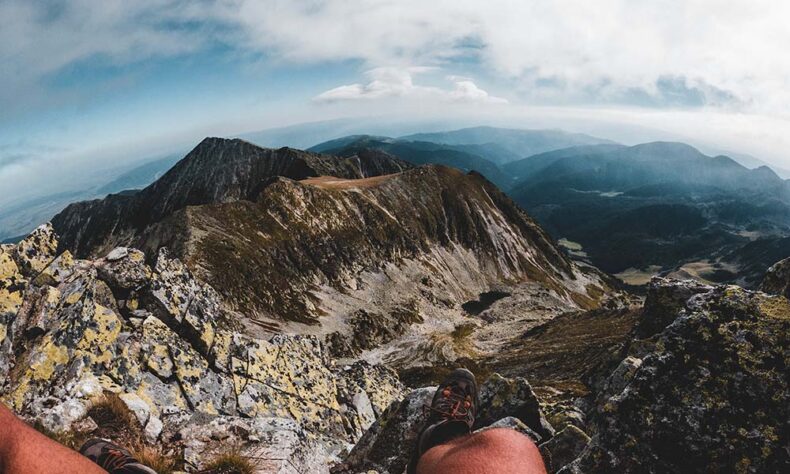
Photo source: Unsplash
One of the park’s greatest treasures is its old-growth forest. Some areas have remained relatively undisturbed for generations, supporting a rich variety of plants, fungi, birds, and mammals. Walking among these ancient trees offers a completely different experience from the busier hiking routes, with peaceful surroundings and a real sense of wilderness.
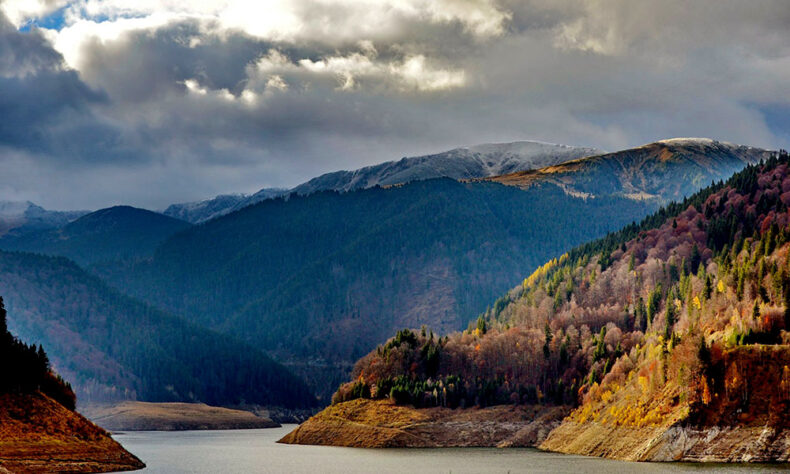
Photo source: Turism Retezat
The park covers more than 380 square kilometres and is known for its extraordinary concentration of glacial lakes. There are more than 80 lakes in the Retezat Mountains, including Lake Bucura, the largest glacial lake in Romania. The park also features 50 peaks rising above 2,000 metres, with Peleaga reaching approximately 2,509 metres.
This remarkable landscape makes Retezat one of Romania’s most exciting destinations for nature and adventure enthusiasts. The national park is situated mainly in Hunedoara County, in the historical region of Transylvania, several hundred kilometres from Bucharest.
The warmer months are generally the most suitable time for hiking, although conditions vary considerably with altitude. Mountain weather can change quickly, even in summer, so always check the forecast, trail conditions, and local park guidance before setting out.
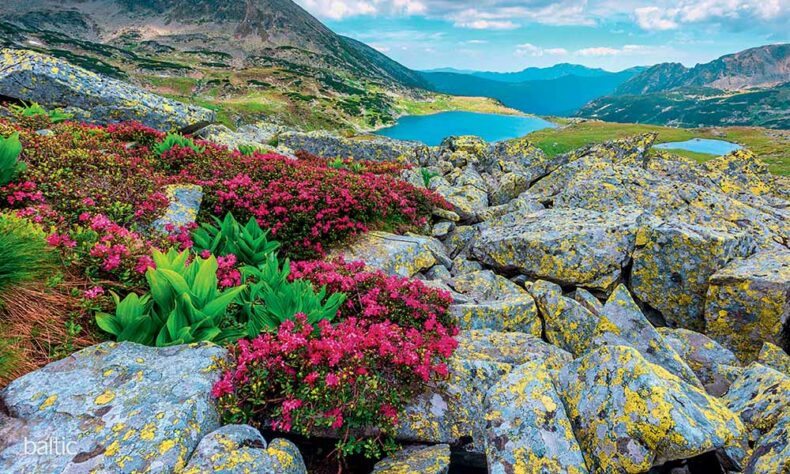
Hiking is one of the best ways to discover the park. Its marked trails lead through forests, mountain valleys, and rocky alpine terrain towards spectacular lakes and summits. The route to Lake Bucura is especially popular, rewarding walkers with beautiful views of the surrounding peaks.
More experienced hikers may wish to consider a route towards Peleaga Peak, the highest summit in the Retezat Mountains. The duration and difficulty of both hikes depend on the starting point, chosen route, weather, and individual fitness, so avoid relying on a fixed hiking time when planning your trip.
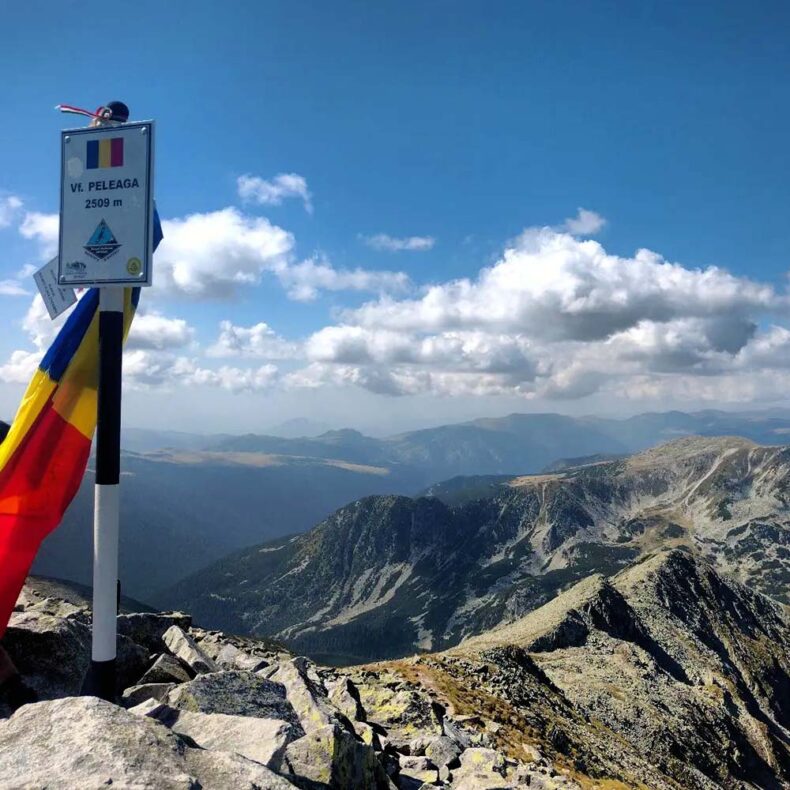
Photo source: Instagram
Popular approaches to the national park include the areas around Nucșoara and Râu de Mori. Before travelling, check which entrance and trailhead best suit your itinerary, along with any applicable access rules.
Retezat deserves more than a rushed day trip. Allowing two or three days gives you time to explore the scenery at a comfortable pace, enjoy shorter walks, and adjust your plans if the weather changes.
Accommodation options range from designated camping areas and mountain huts to guesthouses and cabins in nearby villages. If you prefer a comfortable bed after a day in the mountains, staying just outside the park can provide a pleasant balance between wilderness and convenience.
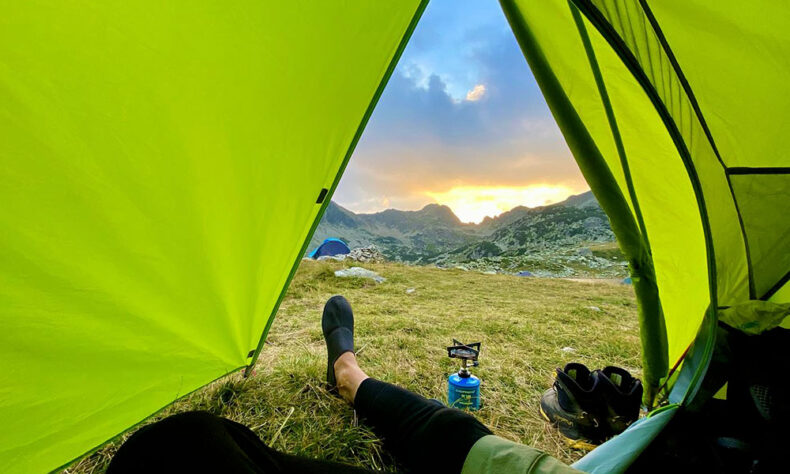
Photo source: Instagram
If you’re planning to discover Romania’s natural beauty, consider combining a mountain adventure with a visit to its capital. Explore flights to Bucharest and plan a wider journey through Romania, allowing enough time for the onward journey to Retezat.
Gobustan mud volcanoes in Azerbaijan
Imagine a landscape of cracked earth, gently bubbling craters, and rolling hills covered in shades of grey. It might look like the surface of another planet, but this unusual scenery can be found in Gobustan, a region of Azerbaijan not far from Baku.
Located within reach of Azerbaijan’s fascinating capital, the Gobustan area offers one of the country’s most distinctive natural experiences. Here, mud volcanoes create a constantly changing landscape that feels entirely different from the forested mountains and green valleys found elsewhere in the Caucasus.
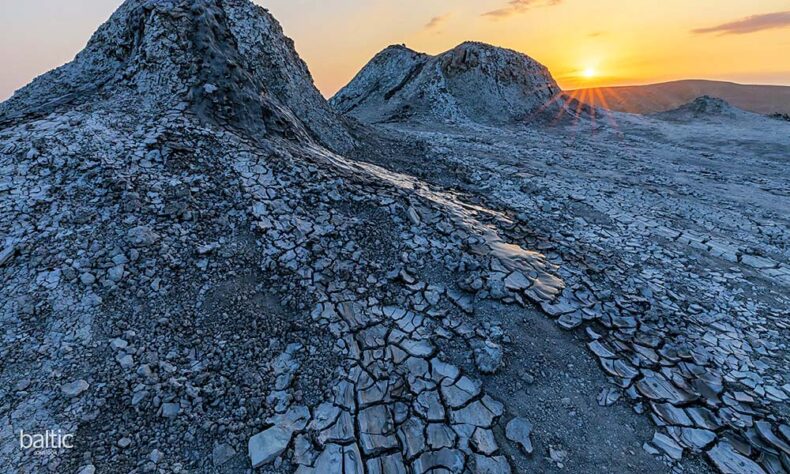
Azerbaijan has hundreds of mud volcanoes, making it one of the world’s most remarkable places to observe this geological phenomenon. Some lie on land, while others are located beneath the waters of the Caspian Sea.
Unlike traditional volcanoes, mud volcanoes do not erupt molten rock. Instead, gas and underground fluids force mud, water, and sediment towards the surface. This creates small cones, bubbling pools, and occasionally more dramatic eruptions.
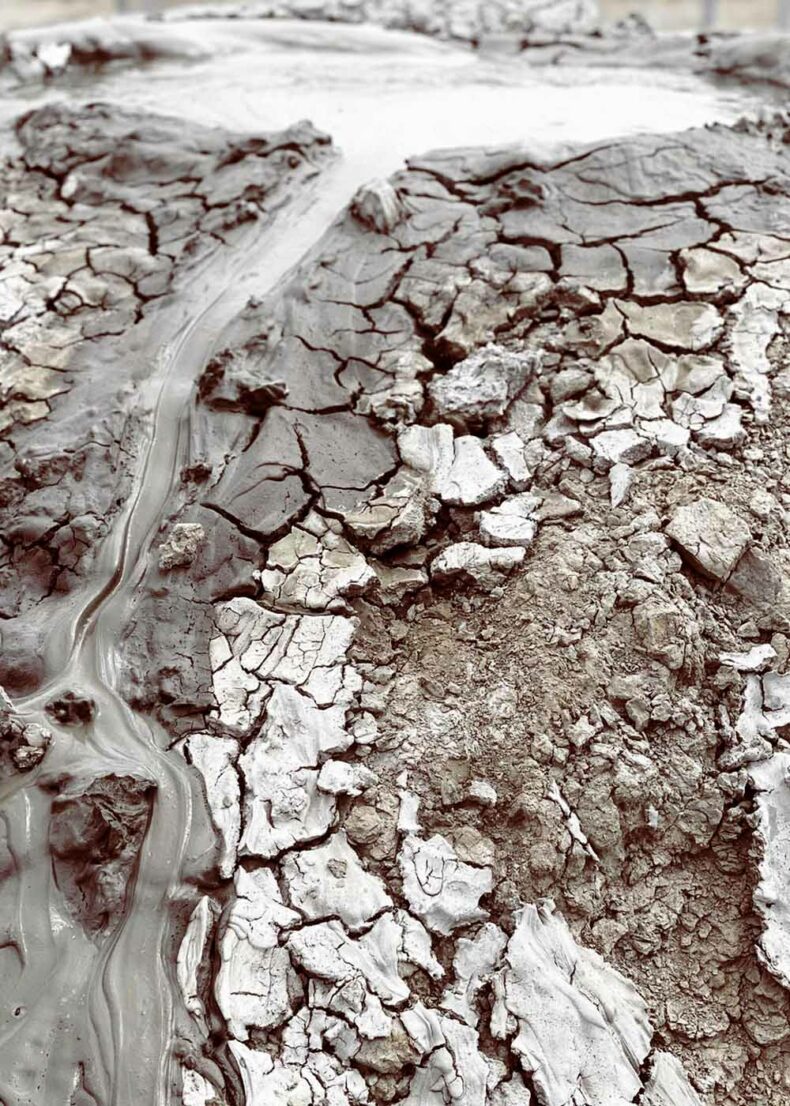
Photo source: Instagram
Don’t expect towering mountains or glowing rivers of lava. The beauty of Gobustan lies in the quieter details: the soft bubbling of mud, the unusual shapes of the craters, and the almost otherworldly silence of the surrounding terrain.
Take care when exploring these formations. The surface can be slippery or unstable, and some areas may be restricted. Follow local guidance, avoid stepping close to active vents, and consider visiting with an experienced guide who knows the terrain.
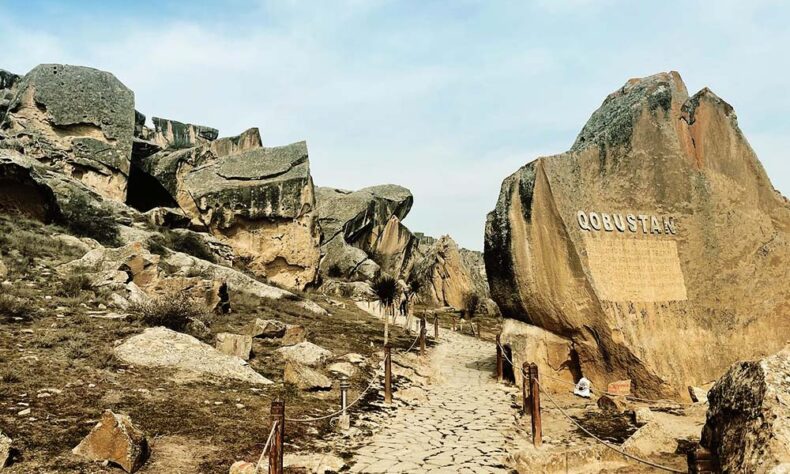
Photo source: Instagram
There’s another compelling reason to explore Gobustan. The Gobustan Rock Art Cultural Landscape is recognised as a UNESCO World Heritage Site for its extraordinary collection of prehistoric rock engravings.
Thousands of petroglyphs depict animals, people, boats, dancing, hunting, and scenes of everyday life. They provide a fascinating window into the communities that inhabited this landscape over thousands of years.
The area’s archaeological heritage also includes traces of later visitors, including a Roman inscription that adds another intriguing layer to its long history.
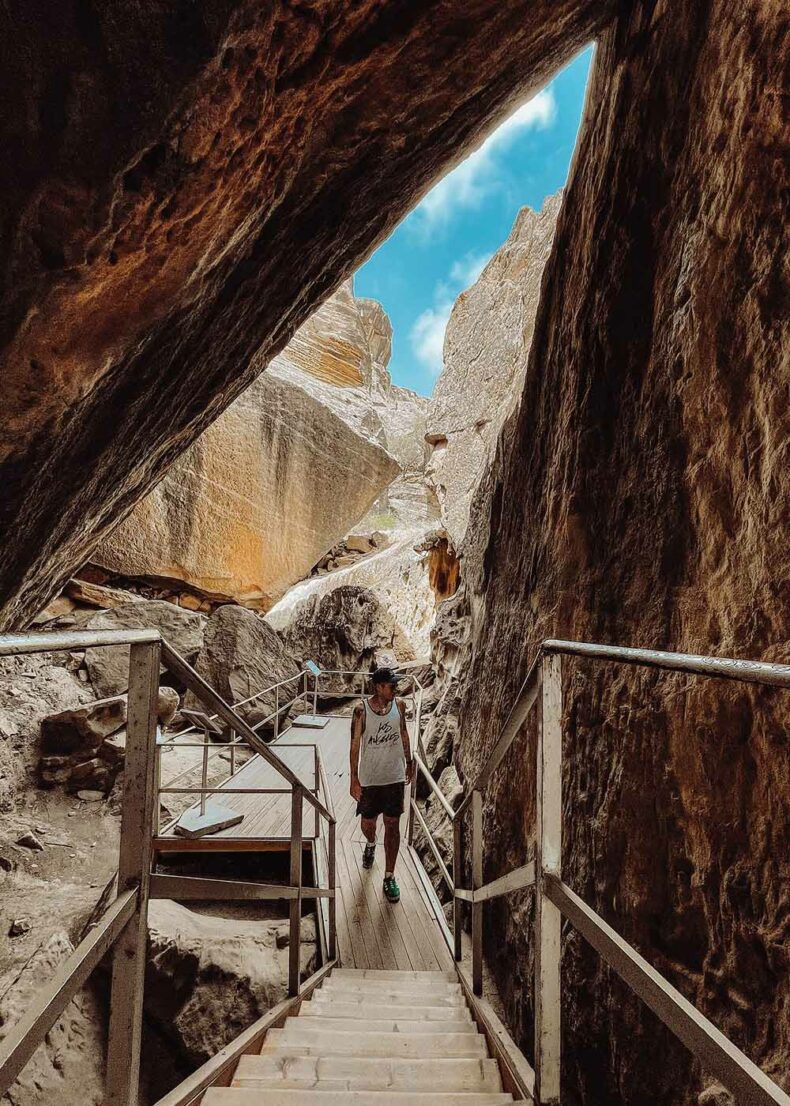
Photo source: Instagram
Combining the rock art reserve with a visit to the mud volcanoes makes for a memorable excursion from Baku. However, these are separate attractions, and the roads leading to some volcanic areas can be rough. An organised tour or a suitable vehicle may be more practical than an ordinary rental car.
Before travelling, check access arrangements, weather conditions, and current visitor information. With the right preparation, Gobustan offers a fascinating combination of geology, archaeology, and landscapes unlike almost anywhere else in Europe or the Caucasus.
For more inspiration for your next holiday, browse the latest airBaltic flight deals and destinations. Flight availability depends on the current route network, so check the available destinations before making travel plans.
Lake Sevan in Armenia
With its intensely blue water, wide-open horizons, and mountain backdrop, Lake Sevan is one of Armenia’s most captivating natural attractions. Often called the country’s blue pearl, this high-altitude lake offers a refreshing contrast to the busy streets of Yerevan.
Situated at approximately 1,900 metres above sea level, Lake Sevan is the largest lake in Armenia and the wider Caucasus region. Its broad shores, rolling hills, and distant mountain peaks create a landscape that feels both peaceful and expansive.
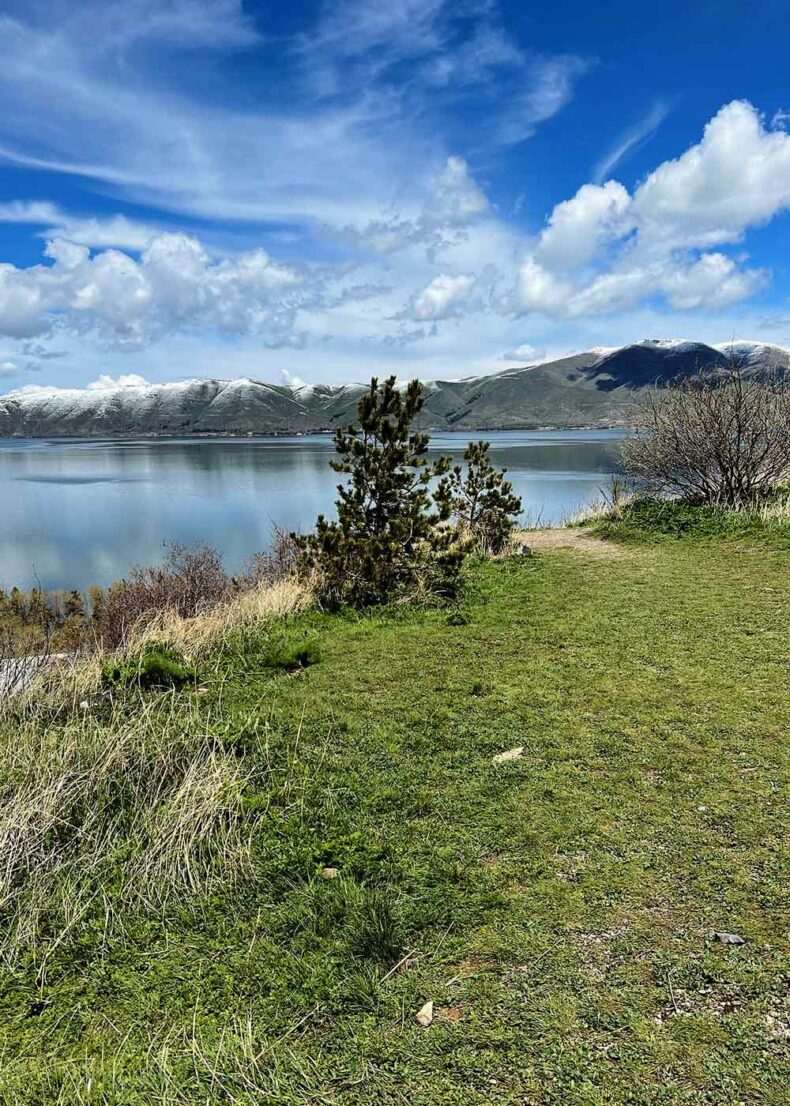
Photo source: Instagram
The lake plays an important role in Armenian culture, biodiversity, and tourism. Its drainage basin covers a substantial part of the country, while the lake itself extends across more than 1,200 square kilometres.
Lake Sevan is also an important natural resource with a complicated environmental history. During the Soviet period, large amounts of water were diverted for irrigation and hydroelectric power generation, causing a significant decline in the water level. This affected the lake’s ecosystem and transformed some of its shoreline.
Conservation and water-management measures have since sought to address these impacts, although maintaining the lake’s ecological health remains an ongoing challenge. Travellers can help by respecting protected areas, avoiding litter, and choosing responsible outdoor activities.
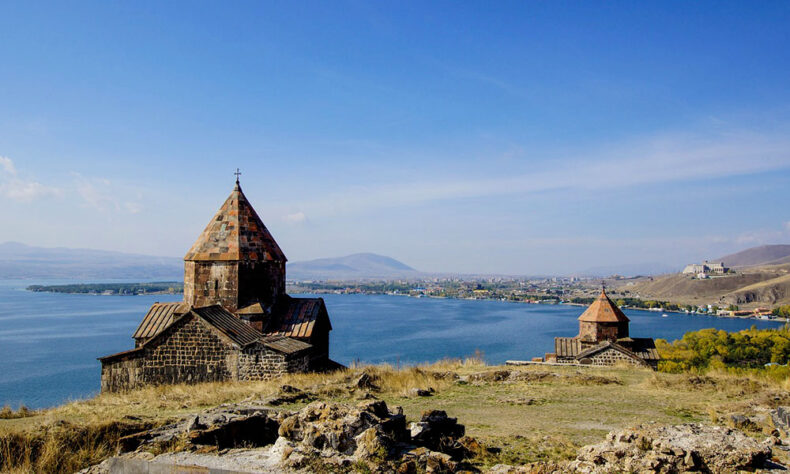
Photo source: Pixabay
One of the lake’s most memorable landmarks is Sevanavank Monastery, perched on a peninsula overlooking the water. The monastery’s principal churches date from the ninth century, and its dark stone architecture stands out beautifully against the blue lake.
The peninsula was once an island, but changes in the lake’s water level during the twentieth century connected it to the mainland. Today, visitors can walk up to the monastery and admire sweeping views of the surrounding landscape.
Take time to explore the historic churches, appreciate the traditional Armenian stonework, and enjoy the peaceful atmosphere. The climb is rewarded with one of the most memorable panoramas in Armenia.
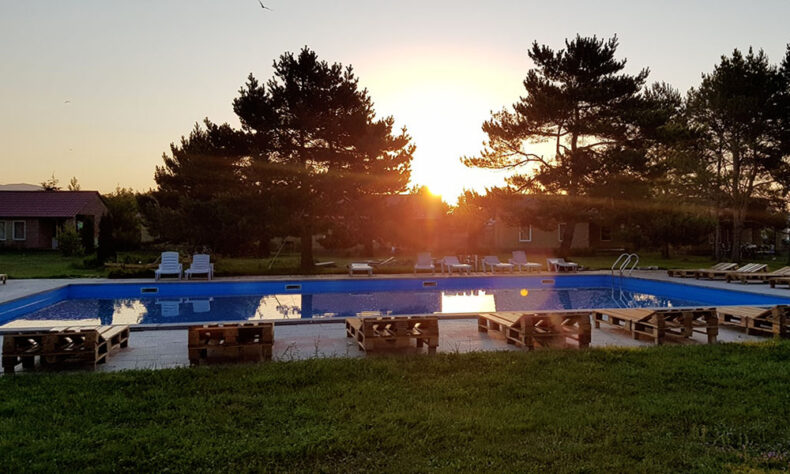
Photo source: Facebook
The town of Sevan and the surrounding lakeside communities provide a base for exploring the area. During the warmer months, visitors come to enjoy the beaches, restaurants, water activities, and fresh mountain air.
Some stretches of shoreline are lively, with cafés and recreational facilities, while others are much quieter. If you’re looking for a relaxed afternoon, explore less crowded sections of the lake or choose a peaceful spot to watch the changing colours of the water.
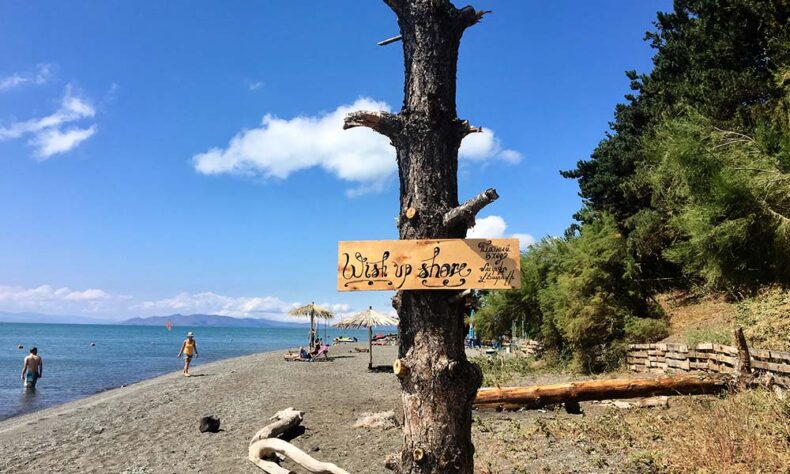
Photo source: Unsplash
Lake Sevan can be reached from Yerevan by road, making it suitable for a day trip or a longer stay. Travelling by car gives you greater flexibility to explore different parts of the shoreline, but local transport and organised excursions may also be available.
Remember that the lake sits at high altitude. The weather can change quickly, and the water may remain cool even on sunny summer days. Bring suitable clothing, check swimming conditions, and plan enough time to enjoy the surroundings without rushing.
While airBaltic no longer operates flights to Yerevan, this guide remains available to inspire independent travel around Armenia. For your next journey with airBaltic, explore the current flight destinations and offers.
Huge waves at Nazaré in Portugal
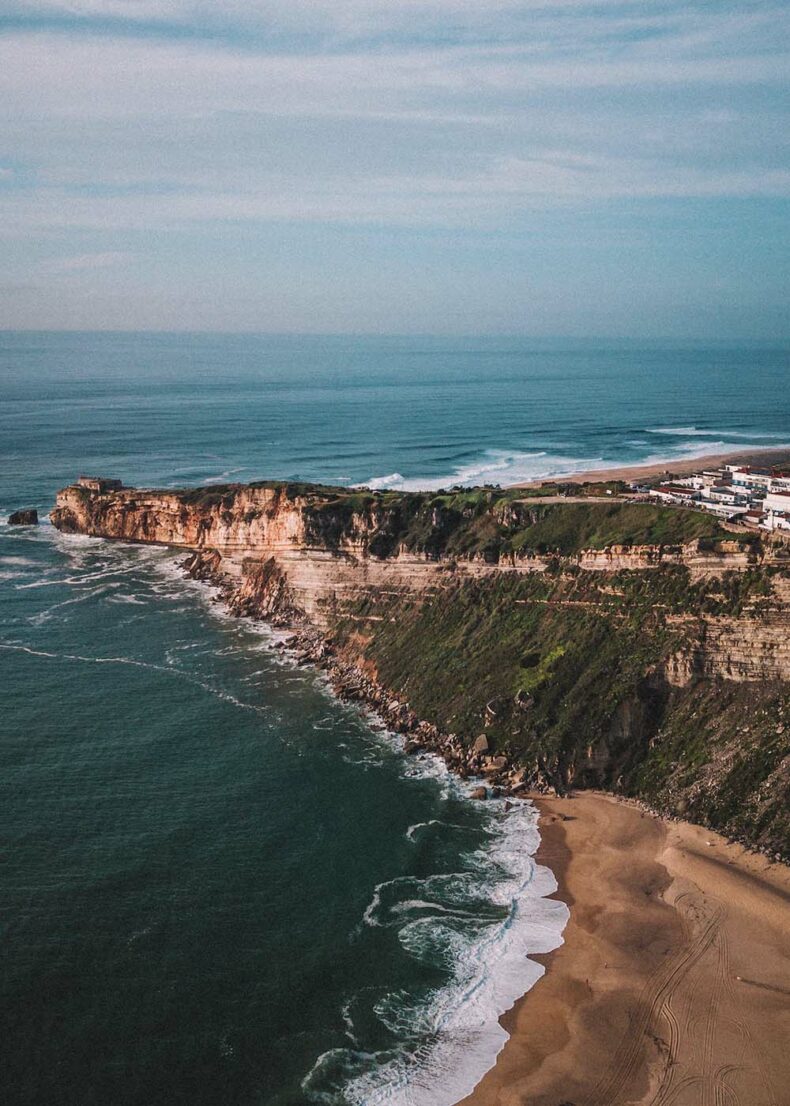
Photo source: Unsplash
Mention Nazaré to a surfing enthusiast and you’re likely to be met with excitement. This coastal town in central Portugal has become internationally famous for its extraordinary waves, which have attracted some of the world’s most experienced big-wave surfers.
But Nazaré is far more than a surfing destination. With its sandy beaches, traditional fishing heritage, dramatic cliffs, and delicious seafood, it offers plenty of reasons to visit throughout the year.
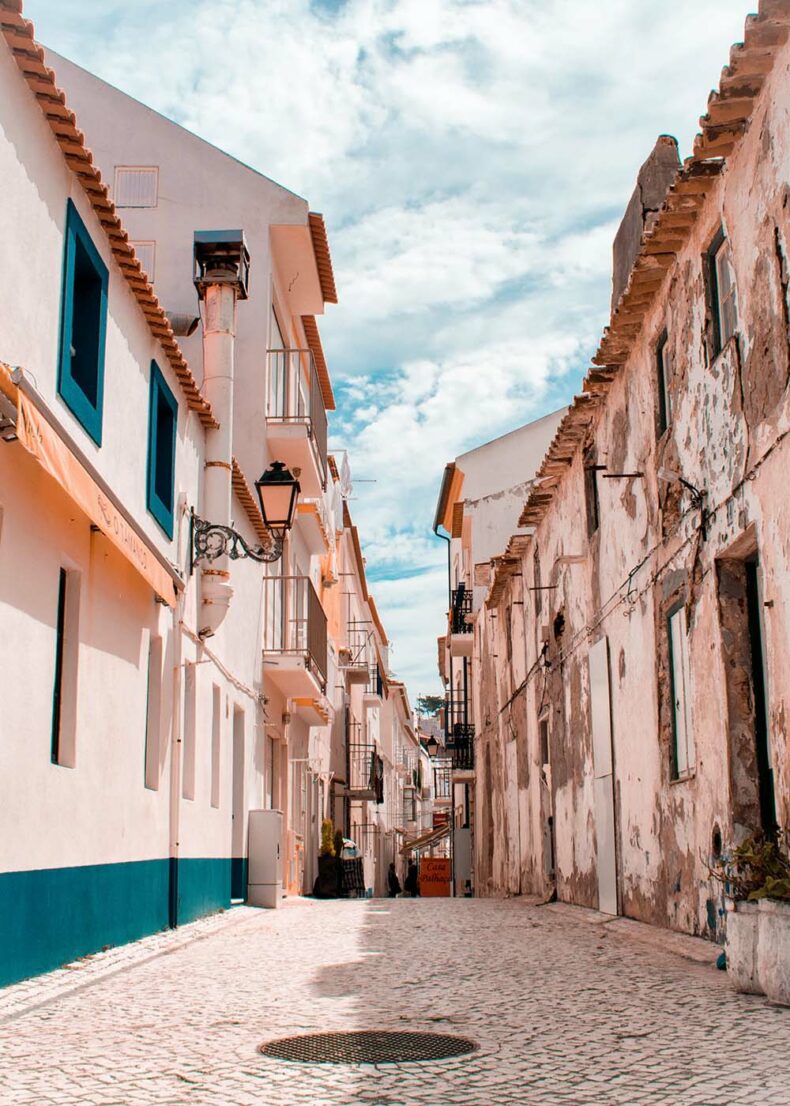
Photo source: Unsplash
Many of Nazaré’s narrow streets lead towards the Atlantic, where a broad stretch of golden sand meets the sea. The town’s lively waterfront is lined with cafés, restaurants, and places to pause and admire the view.
Spend a relaxed day walking along the promenade, enjoying the beach, or exploring the traditional streets. In suitable conditions, the main beach can be a pleasant place to swim, although it’s always important to follow local safety advice because Atlantic currents can be strong.
The town’s fishing traditions are still visible in its local culture, giving Nazaré a character that feels distinct from Portugal’s larger coastal resorts.
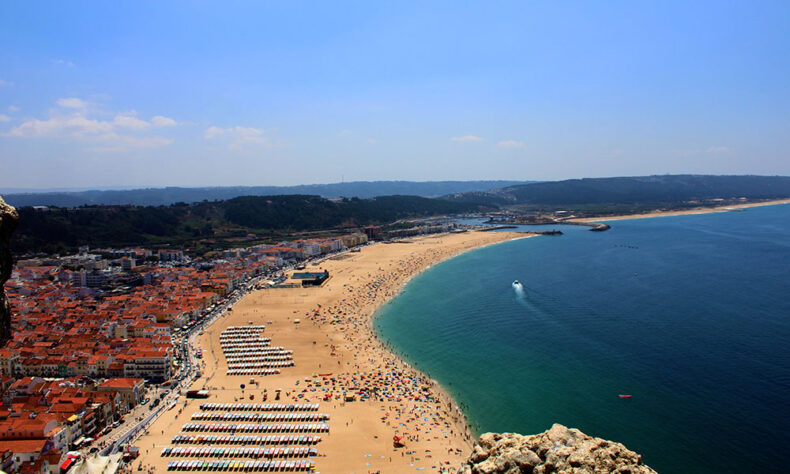
Photo source: Unsplash
For some of the best views, head to the Sítio district above the town. You can reach it by funicular or take a scenic walk uphill.
At Miradouro do Suberco, the panorama stretches across Nazaré’s rooftops, golden beach, and rugged coastline. Nearby, the Sanctuary of Our Lady of Nazaré adds a fascinating historical and cultural dimension to the visit.
Allow yourself time to explore the upper town rather than heading straight back down. The combination of traditional architecture, ocean views, and local cafés makes it one of Nazaré’s most enjoyable areas.
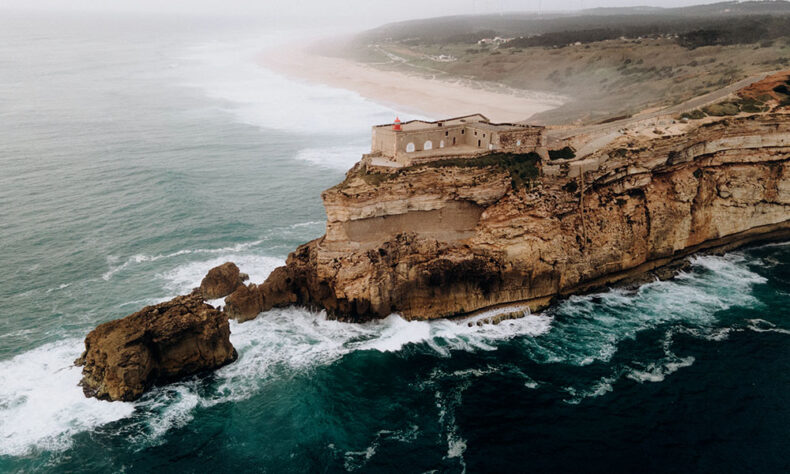
Photo source: Unsplash
For a different perspective, continue towards Forte de São Miguel Arcanjo, the fortress overlooking Praia do Norte. This beach is famous for the enormous waves created by the underwater Nazaré Canyon.
The largest waves tend to appear during powerful Atlantic swells, particularly in the cooler months, rather than throughout the year. If seeing the giant waves is your main reason for visiting, check current surf forecasts and local conditions before travelling.
Watching the waves from a safe viewpoint can be an extraordinary experience. However, the ocean here can be extremely dangerous, and Praia do Norte’s big-wave conditions are suitable only for highly experienced, properly equipped surfers.
Beginners interested in surfing should choose a reputable local school and suitable conditions. For more inspiration, read our guide to learning to surf in Portugal.

Photo source: Instagram
After a day of sightseeing or wave-watching, discover another of Nazaré’s great pleasures: its seafood. The town grew from a fishing community, and the Atlantic remains central to its culinary identity.
Start with sopa de peixe, a comforting Portuguese fish soup, before sampling traditional salt cod dishes, grilled sardines, or fresh shellfish. Bacalhau à Brás, made with shredded salt cod, potatoes, onions, and eggs, is another Portuguese classic worth trying.
Whether you come for the waves, the beaches, or the food, Nazaré combines coastal scenery with authentic Portuguese culture. It’s also worth exploring more of central Portugal if you have extra time.
Planning a longer Portuguese holiday? Browse flights to Porto and consider building an itinerary that includes Nazaré and other coastal towns. Porto is a separate destination, so allow time for onward travel.
Discover more travel inspiration and stories from around the world in Baltic Outlook.
Cover photo source: Unsplash
Text by Pavlo Fedykovych