The third-largest island in the Canary Islands archipelago is almost a small continent in itself, offering an impressive mix of landscapes, culture, and year-round sunshine.
From north to south and from east to west, Gran Canaria surprises travellers with volcanic sand beaches, golden dunes, dramatic mountain ranges, colourful towns, and local recipes shaped by Spanish, Atlantic, and island traditions. One day can be spent relaxing by the ocean, while the next can take you through green valleys, whitewashed villages, or winding mountain roads with panoramic views over the island.
Gran Canaria is a destination for travellers who want more than a typical beach holiday. Its coastline is ideal for swimming, sunbathing, and long seaside walks, while the inland areas reveal a wilder side of the island, with volcanic peaks, natural viewpoints, and small towns full of local character. Whether you are looking for winter sun, a relaxed family escape, or a warm-weather break with plenty to explore, Gran Canaria is one of Spain’s most versatile island destinations.
With airBaltic, planning flights to Gran Canaria is simple. Discover this Atlantic island and enjoy a destination where beach days, scenic drives, local food, and Spanish island charm come together in one trip. If you are looking for flights to Spain with a warmer, more exotic feel, Gran Canaria is a strong choice throughout the year.
It’s time to pack your suitcase and let this new airBaltic destination in the Atlantic Ocean seduce you!
Enjoy Gran Canaria’s perfect year-round climate
Known as the island of eternal spring, Gran Canaria enjoys mild weather, sunny days, and pleasant temperatures for most of the year. Its subtropical climate makes it a reliable choice for travellers looking for warmth outside the traditional summer season.
Even in late autumn or winter, Gran Canaria often feels like a welcome escape from colder weather elsewhere in Europe. Days are usually comfortable enough for walking along the coast, exploring colourful towns, relaxing on a terrace, or spending time by the ocean.
Pack a few short-sleeved shirts, sunglasses, and swimwear, even if you are travelling outside peak summer months. With its year-round sunshine and mild Atlantic breeze, the island makes it easy to enjoy beach days, scenic viewpoints, and outdoor adventures almost any time of the year.
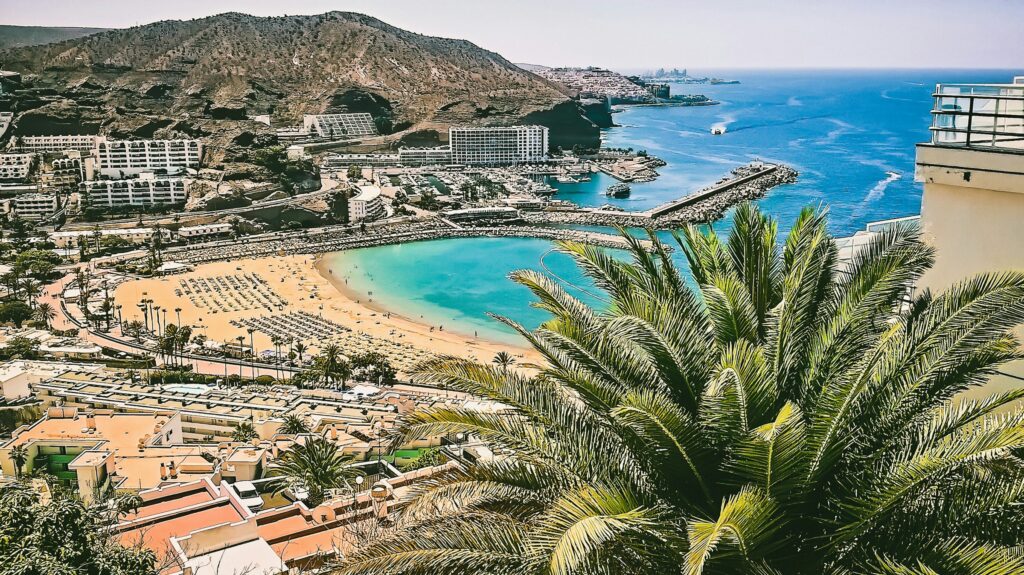
Photo on Unsplash
If you’re looking for balmy temperatures with a refreshing offshore breeze, head north to areas such as Las Palmas, the island’s lively capital, or Doramas Rural Park, where greener landscapes and cooler air offer a pleasant contrast to the coast.
Las Palmas is ideal for travellers who want a mix of city life, beach time, culture, and local food. You can stroll through historic streets, visit cafés and markets, or enjoy the long sandy stretch of Las Canteras Beach without the intense heat often found further south.
For a more natural escape, Doramas Rural Park reveals a different side of Gran Canaria. This lush area is known for its ravines, viewpoints, and subtropical vegetation, making it a good choice for walks, scenic drives, and a slower day surrounded by greenery.
If, however, your idea of a holiday is spending the whole day sunbathing on the beach with a cocktail in your hand, Maspalomas and Meloneras are among the most popular destinations in the south. Here, the weather is typically warmer and drier, with long sandy beaches, resort-style comfort, oceanfront promenades, and plenty of places to relax from morning until sunset.
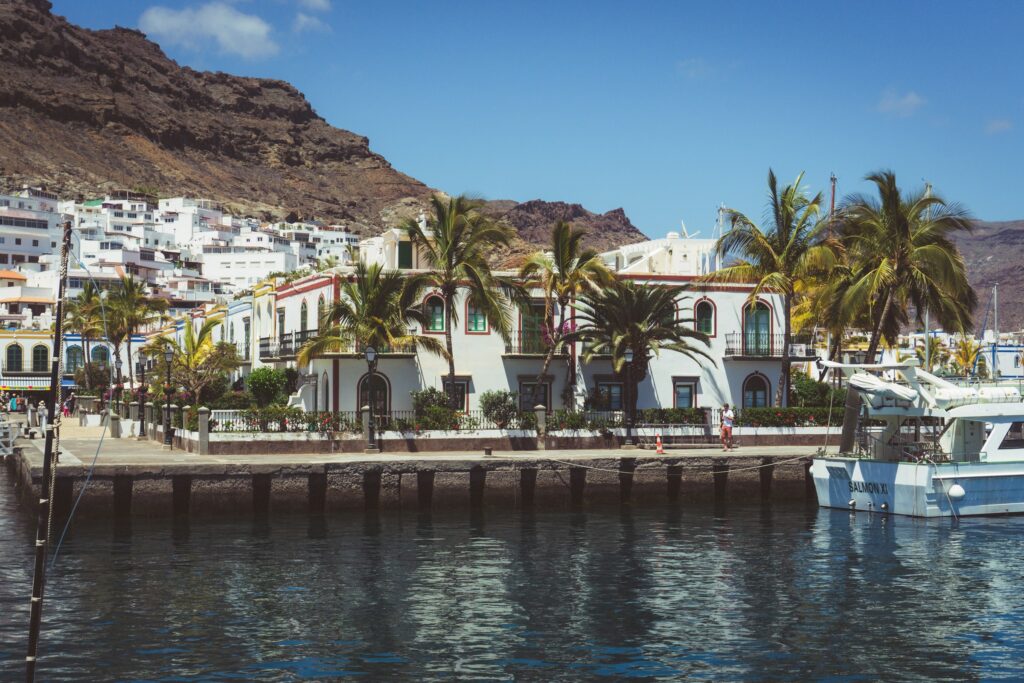
Photo on Unsplash
Best beaches in Gran Canaria
Whether you long to find peace on a remote beach or need a wide strip of sand for a relaxed family day by the sea, Gran Canaria has a coastline that fits almost every kind of traveller.
The island offers everything from lively beaches with restaurants, sunbeds, and water activities to quieter coves where the pace feels much slower. Families can choose sheltered beaches with easy access and calm surroundings, while those looking for a more secluded escape can head towards less crowded corners of the coast.
Gran Canaria’s beaches are also surprisingly varied. Some are framed by golden dunes, others by volcanic cliffs, fishing villages, or dramatic Atlantic views. You can spend the day swimming, walking along the shore, trying local seafood nearby, or simply doing nothing at all under the sun.
No matter whether you prefer comfort, nature, or a bit of both, the island makes beach days an essential part of the trip.
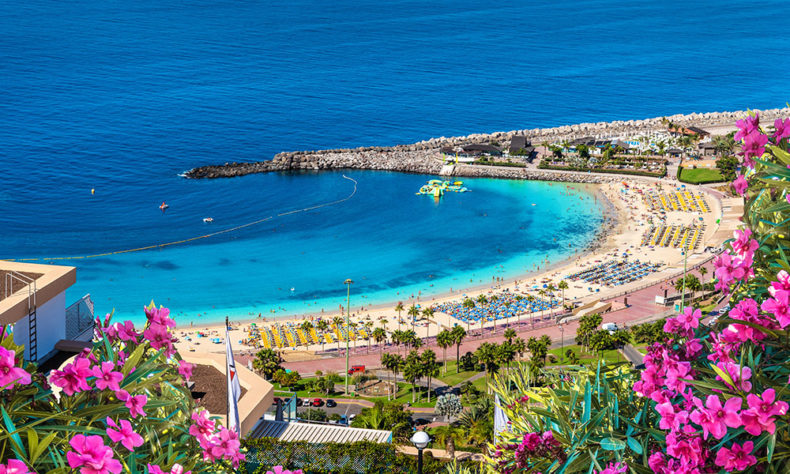
Located right in the city centre of Las Palmas de Gran Canaria, the popular Las Canteras Beach is one of the island’s most accessible seaside spots and a perfect place to take your first dip in the Atlantic Ocean.
This long urban beach combines the convenience of the city with the relaxed atmosphere of a coastal escape. You can swim, walk along the promenade, stop for lunch in one of the nearby restaurants, or simply spend a few hours watching the waves roll in. Because it is close to shops, cafés, hotels, and local neighbourhoods, Las Canteras is a good choice for travellers who want beach time without leaving the city behind.
Güigüi Beach, on the other hand, offers a completely different experience. This remote beach is known for its fine, dark volcanic sand, dramatic cliffs, and wild natural setting. It feels far removed from the island’s busier resort areas, which is exactly what makes it special.
Reaching Güigüi requires a nearly two-hour walk from the car park in Tasartico, so it is better suited to travellers who are ready for a more demanding outing. The route takes effort, but the reward is a quiet, striking beach surrounded by raw Atlantic scenery. For those who want to see Gran Canaria beyond the usual holiday spots, Güigüi is well worth the walk.
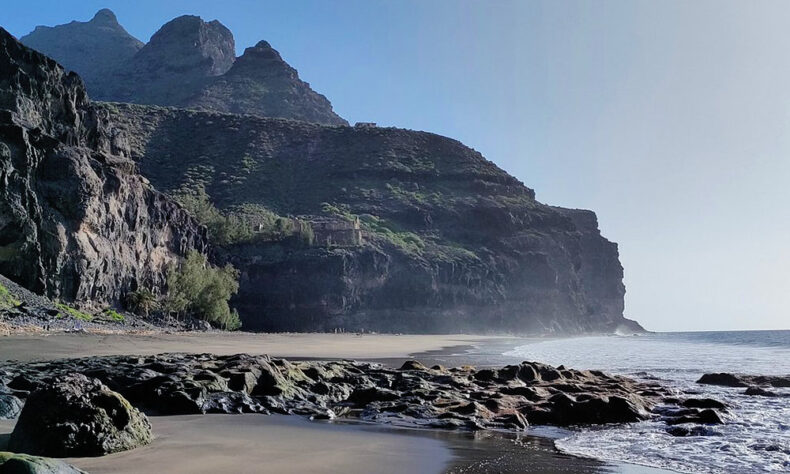
Photo on Tripadvisor
Water sports in Gran Canaria
From jet skiers and stand-up paddlers to surfers chasing Atlantic waves, Gran Canaria is a strong destination for travellers who want to add more energy to their beach holiday.
The island’s coastline offers plenty of opportunities to get out on the water, whether you are looking for a relaxed paddle close to shore or something more adrenaline-filled. Depending on the area and conditions, visitors can try surfing, windsurfing, kayaking, diving, jet skiing, or stand-up paddleboarding, making Gran Canaria a good choice for both beginners and more experienced water sports fans.
The north side of the island is especially popular among surfers. Destinations such as Las Palmas and Gáldar are known for their Atlantic swell and lively surf culture, attracting those who want to experience the island from the water rather than just from the beach.
Las Palmas is a convenient option for travellers who want to combine surfing with city life, restaurants, and an easy-going beach atmosphere. Gáldar, meanwhile, offers a more rugged coastal setting and is often associated with stronger waves and a wilder side of the island.
Whether you want to take a first surf lesson, spend the afternoon on a paddleboard, or look for more challenging waves, Gran Canaria has enough variety to make water sports a memorable part of the trip.
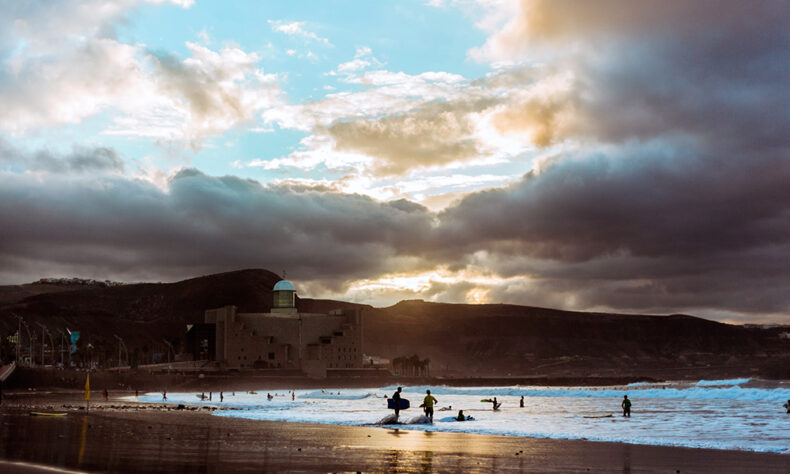
Photo on Unsplash
Playa del Confital is regarded as one of the beaches with the best waves in Europe, making it a standout spot for experienced surfers visiting Gran Canaria.
Located close to Las Palmas, this beach has a wilder and more rugged feel than the city’s main beach areas. Its powerful Atlantic waves and reef break attract confident surfers who are looking for more technical conditions, while the surrounding coastal scenery makes it a striking place to watch the action from shore.
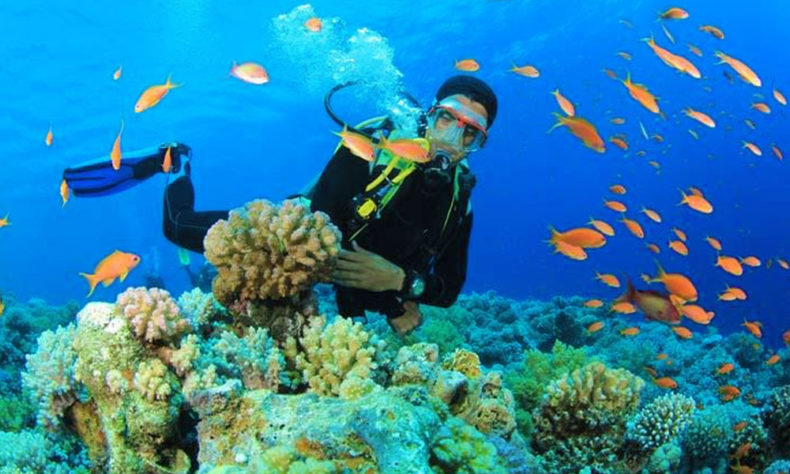
Photo on Tripadvisor
Gran Canaria is not only about surfing, however. Exploring the island’s rich marine life is also becoming increasingly popular, especially for travellers who want to discover what lies beneath the surface of the Atlantic Ocean.
For scuba diving and snorkelling, head to the marine reserve of El Cabrón and Arinaga, one of the island’s best-known underwater areas. Here, clear waters, volcanic rock formations, and diverse marine species create excellent conditions for both beginners and more experienced divers.
If you are new to underwater activities, this is a good place to take a scuba diving or snorkelling course with local instructors. It adds another layer to the trip – beyond beaches and landscapes, Gran Canaria also offers a memorable view of Atlantic marine life.
Nature and hiking in Gran Canaria
Gran Canaria is known for its iconic beaches, but the island’s natural appeal reaches far beyond the coastline. Inland, it reveals a much wilder and more dramatic side, with volcanic landscapes, deep ravines, pine forests, mountain viewpoints, and hiking routes that show why the island is often described as a small continent.
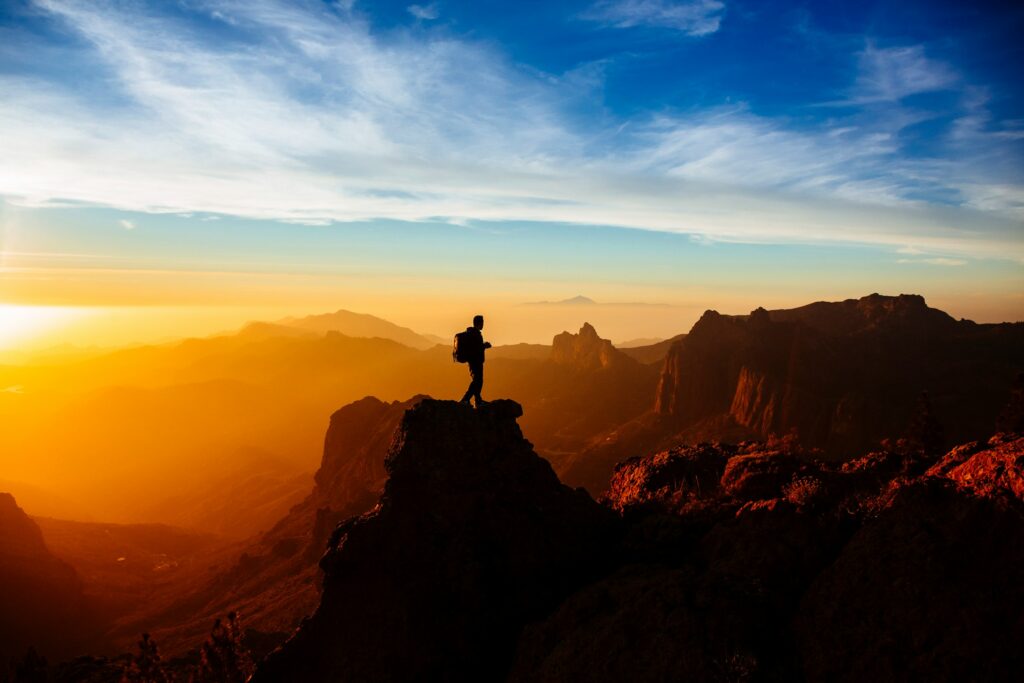
Photo on Instagram
Tamadaba Natural Park is one of the most spectacular natural areas in Gran Canaria. Located in the north-western part of the island, it offers a striking contrast to the beach resorts in the south, with cooler air, dense Canary pine forests, steep cliffs, and sweeping views over the Atlantic Ocean.
The park is especially appealing for travellers who want to spend time outdoors and experience Gran Canaria’s rugged interior. Its hiking trails lead through peaceful forest paths, volcanic terrain, and elevated viewpoints where the scale of the island’s landscape becomes clear.
One of the most impressive routes leads towards Roque Faneque, a dramatic cliff and panoramic viewpoint overlooking the ocean. The scenery here feels raw and powerful, with steep drops, mountain ridges, and wide Atlantic views that make the hike one of the island’s most memorable natural experiences.
For those who want to see more than beaches, Tamadaba Natural Park is a strong reminder that Gran Canaria is also a destination for hiking, nature, and dramatic volcanic scenery.
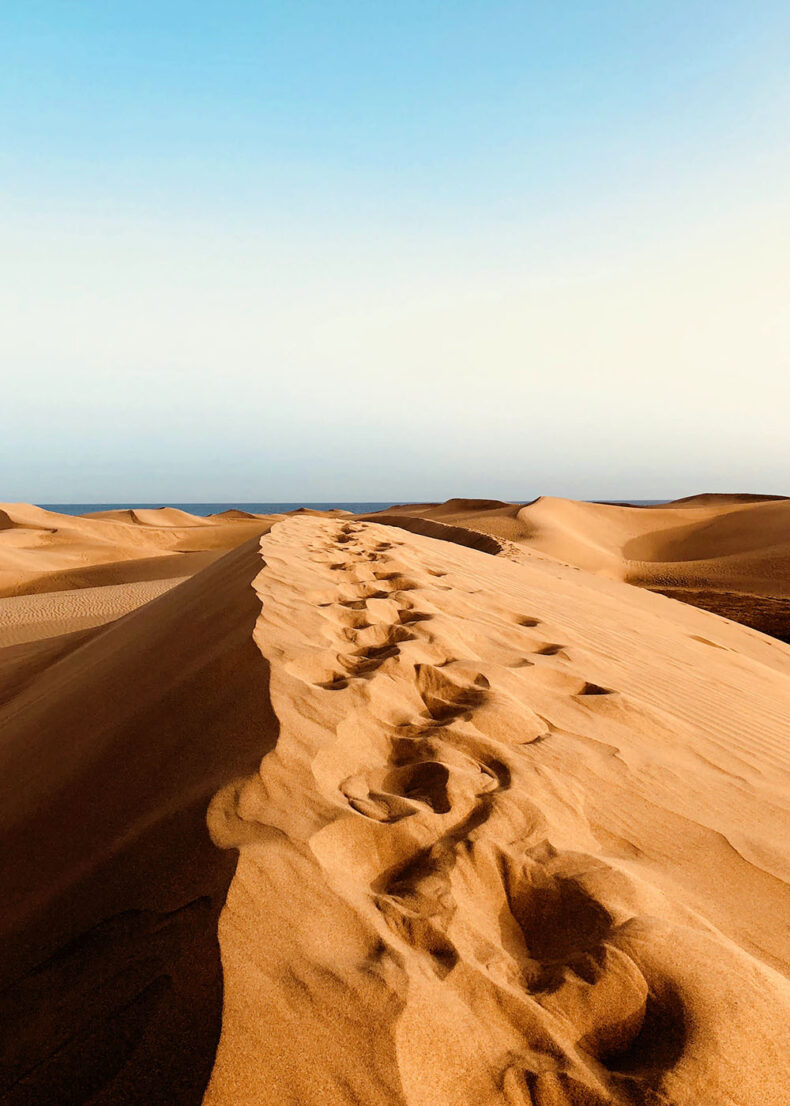
Photo on Unsplash
Best viewpoints in Gran Canaria
There’s nothing more rewarding than seeing Gran Canaria from above. The island’s mountainous interior offers some of its most impressive views, with volcanic peaks, deep valleys, winding roads, and dramatic ridgelines that reveal just how varied the landscape really is.
Rising in the centre of the island, Pico de Las Nieves is the highest point on Gran Canaria and one of the best places to take in the scale of the island’s mountain range. From here, the views stretch across rugged volcanic scenery, pine-covered slopes, and distant cliffs, creating a completely different impression from the beaches and resort areas along the coast.
The nearby village of Tejeda is also worth including in the trip. Surrounded by mountains, ravines, and traditional Canarian architecture, it is often considered one of the most scenic villages on the island. It makes a good stop for a slower walk, a local meal, or a coffee with a view after exploring the surrounding viewpoints.
On a clear day, Pico de Las Nieves offers an especially memorable panorama. From this elevated point, you may even see Mount Teide rising on the neighbouring island of Tenerife, creating one of the most iconic views in the Canary Islands.
For travellers who want to understand Gran Canaria beyond its beaches, the island’s viewpoints are essential. They show its volcanic origins, its dramatic geography, and the striking contrast between the coast, the forests, and the mountains.
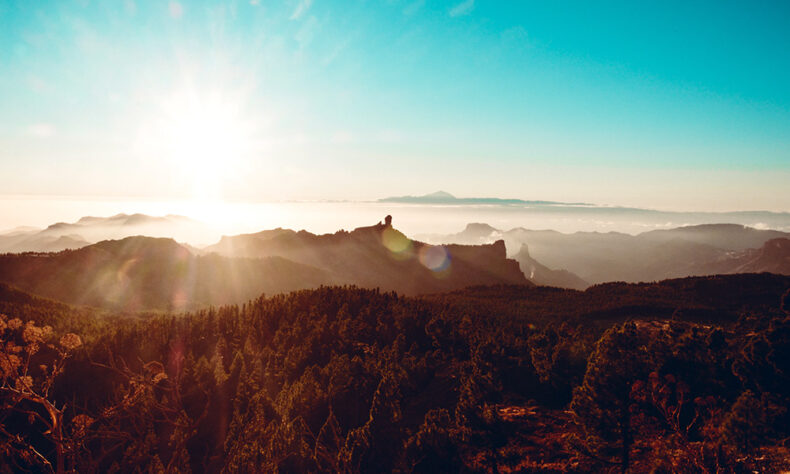
Photo on Unsplash
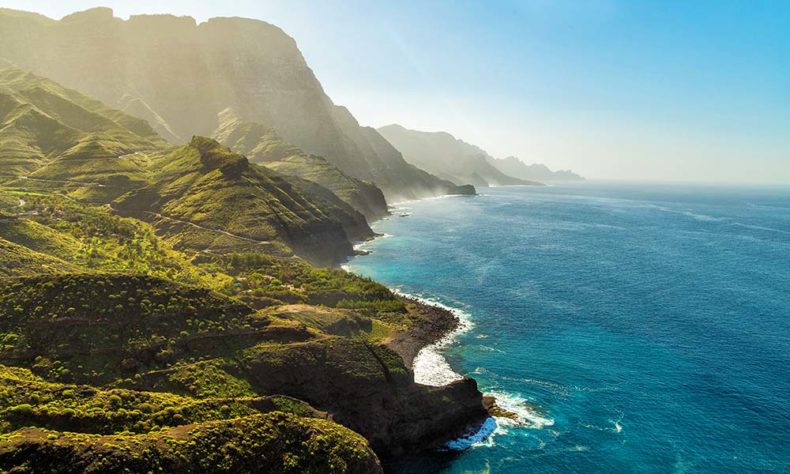
Hanging off the side of a cliff like a natural balcony, the viewpoint of Andén Verde in La Aldea de San Nicolás is one of the most dramatic places to admire Gran Canaria’s western coastline.
From here, the landscape opens up into steep cliffs, winding coastal roads, deep blue Atlantic waters, and rugged volcanic terrain. It is a viewpoint that gives a strong sense of the island’s raw natural scale, far away from the busier resort areas. The scenery is especially impressive in the late afternoon, when the light softens and the cliffs begin to glow.
Andén Verde is also a great spot to watch the sunset. As the sun drops towards the ocean, the coastline takes on warmer colours and the Atlantic horizon becomes the main attraction. For travellers who enjoy scenic drives, photography, or quiet moments in nature, this viewpoint is well worth including in the route.
The Unamuno viewpoint in Artenara offers a different but equally memorable perspective. Named in honour of Spanish writer Miguel de Unamuno, it reveals the beauty of the rocky volcanic formations in the centre of the island.
From this elevated point, visitors can admire Gran Canaria’s mountainous interior, with its ravines, cliffs, and sculptural rock formations shaped by the island’s volcanic past. The view captures the quieter, more contemplative side of Gran Canaria – a landscape of stone, altitude, and open sky.
Together, Andén Verde and the Unamuno viewpoint show two very different faces of the island: the powerful coastal scenery of the west and the dramatic volcanic heart of the interior.
Picturesque villages in Gran Canaria
There are several villages across Gran Canaria that look like they belong in a fairy tale, and they are well worth adding to the itinerary. Away from the beaches and resort areas, these towns reveal a more traditional side of the island, with whitewashed houses, colourful balconies, historic streets, mountain backdrops, and a slower rhythm of local life.
Agaete is one of the most charming places to visit on the north-western coast. Known for its white houses, peaceful atmosphere, and striking natural surroundings, it combines village character with ocean views and volcanic scenery. The area is also home to an impressive archaeological site, where hundreds of tombs were carved into solidified lava, offering a glimpse into the island’s ancient past.
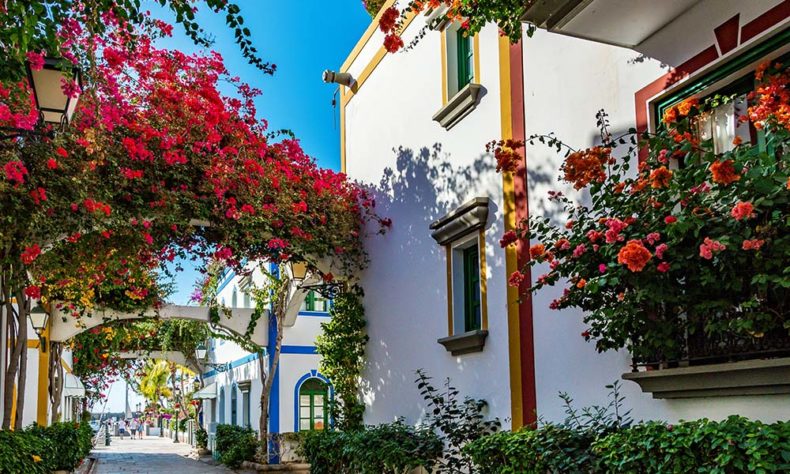
Another reason to visit Agaete is its natural swimming pools, where volcanic rock formations create sheltered places to swim by the Atlantic Ocean. This makes the village a good stop for travellers who want to combine history, coastal scenery, and a refreshing swim in one day.
Teror, meanwhile, is often considered one of the prettiest villages in Gran Canaria. Its historic centre is known for traditional Canarian architecture, with colourful wooden balconies, elegant façades, cobbled streets, and a strong sense of local identity.
A walk through Teror is a good way to understand the island’s architectural heritage beyond the coastal resorts. The village feels decorative, atmospheric, and distinctly Canarian, making it especially appealing for travellers interested in culture, photography, and local traditions.
Together, Agaete and Teror show that Gran Canaria is not only a beach destination. Its villages add depth to the trip, revealing the island’s history, architecture, and everyday character.
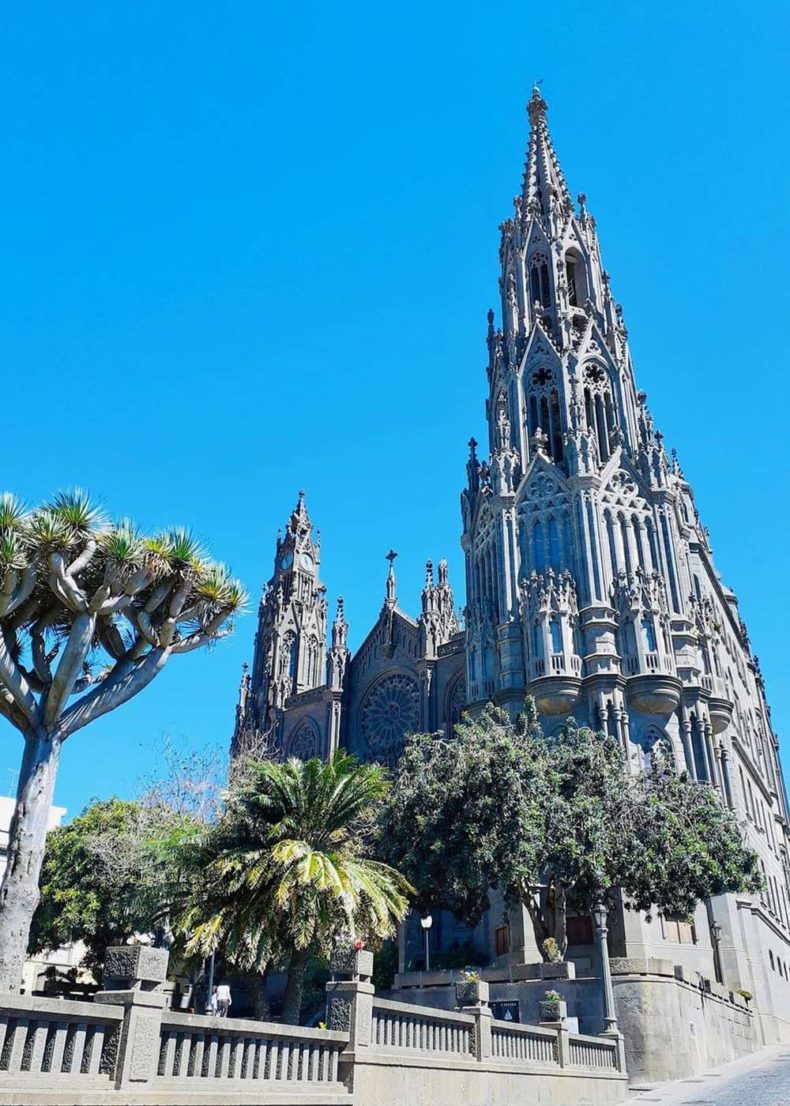
Photo on Instagram
About 12 kilometres north of Teror, Arucas is another worthwhile stop for travellers interested in architecture, history, and local character. The town is best known for the church of San Juan Bautista, one of the most impressive landmarks in northern Gran Canaria.
Built of dark volcanic stone, the church immediately stands out with its dramatic façade, tall towers, and richly detailed neo-Gothic style. Although often mistaken for a cathedral because of its scale and striking appearance, it is a parish church and one of the most recognisable architectural sights on the island.
A visit to San Juan Bautista adds a different dimension to the trip. After beaches, viewpoints, and mountain villages, Arucas shows the more monumental side of Gran Canaria’s cultural heritage. The surrounding old town is also pleasant for a short walk, with local cafés, traditional streets, and a slower atmosphere that makes it easy to include as part of a northern island route.
For travellers exploring Teror, Agaete, or the island’s greener north, Arucas is a natural addition to the itinerary and a strong reminder that Gran Canaria’s beauty is not limited to its landscapes.
Culture and museums in Las Palmas de Gran Canaria
Despite being far from the mainland, Gran Canaria has played an active role in Spanish history. Its position in the Atlantic Ocean made the island an important stop for ships travelling between Europe, Africa, and the Americas, giving it a long-standing connection with exploration, trade, and maritime routes.
One of the most famous historical links is Christopher Columbus. It is believed that the explorer stayed on Gran Canaria in 1492 while one of his ships was being repaired before continuing his voyage across the Atlantic.
The house where he is said to have stayed in Las Palmas de Gran Canaria is now Casa de Colón, one of the city’s most important museums. Located in the historic Vegueta district, it offers a closer look at the island’s role in Atlantic navigation and its connection to the Age of Discovery.
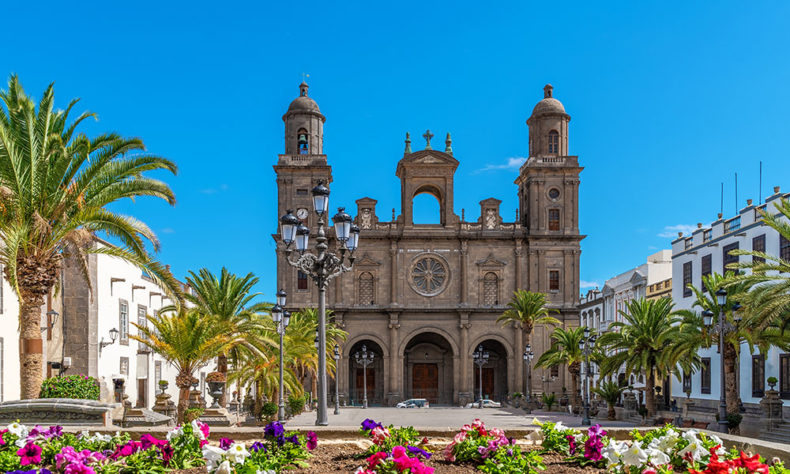
Inside, visitors can explore a collection of nautical artefacts, old maps, paintings, ship models, and historical exhibits linked to Columbus and transatlantic travel. The building itself is also worth seeing, with traditional Canarian architecture, wooden balconies, courtyards, and decorative details that add to the atmosphere.
A visit to Casa de Colón is a good way to add cultural depth to a Gran Canaria holiday. Beyond the beaches, mountains, and viewpoints, the island also tells an important story about Spain’s maritime past and its place between continents.
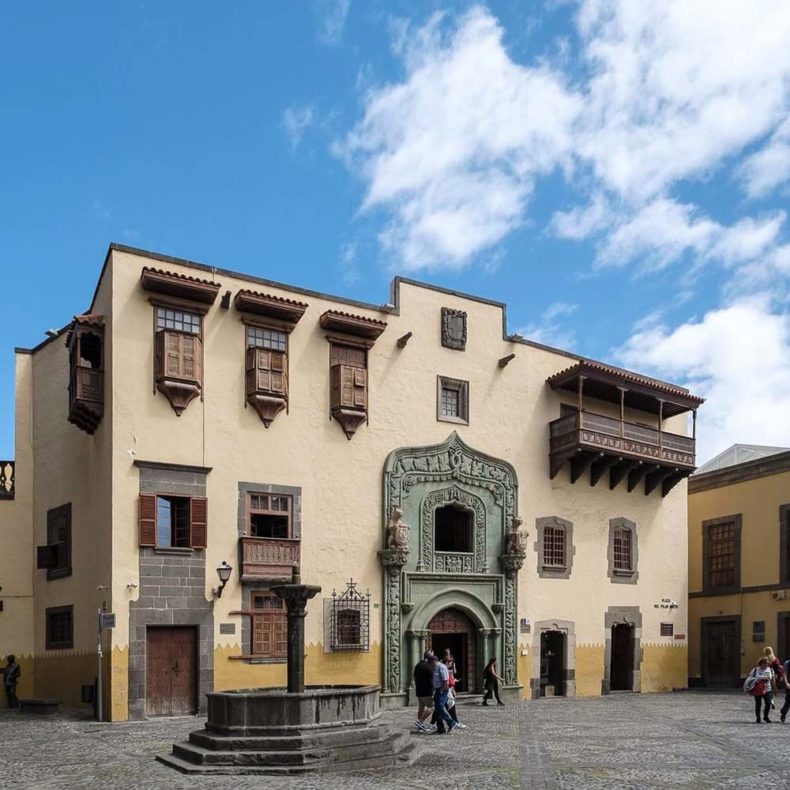
Photo on Instagram
The Atlantic Centre of Modern Art, also known as CAAM, is a must-visit for contemporary art lovers and one of the most important cultural spaces in Las Palmas de Gran Canaria.
Located in a Neoclassical building in the historic neighbourhood of Vegueta, the museum brings together art, architecture, and local identity in one place. Its setting alone makes it worth a stop, as Vegueta is one of the oldest and most atmospheric parts of the city, with narrow streets, historic façades, museums, cafés, and cultural landmarks within walking distance.
Inside, CAAM presents a strong collection of modern and contemporary artwork, with a particular focus on artists from the Canary Islands and the wider Atlantic region. The museum helps visitors understand Gran Canaria not only as a holiday destination, but also as a place shaped by cultural exchange between Europe, Africa, and Latin America.
Its exhibitions often explore identity, geography, migration, island life, and the relationship between different Atlantic cultures. For travellers interested in more than beaches and landscapes, CAAM offers a thoughtful look at the island’s creative side.
A visit here pairs well with a walk through Vegueta, a stop at Casa de Colón, or an afternoon exploring the cultural heart of Las Palmas.
Local food in Gran Canaria
Simplicity and flavour are the golden rules of Gran Canaria’s local gastronomy. The island’s cuisine is built around fresh ingredients, traditional recipes, and bold but uncomplicated tastes that reflect both its Canarian roots and its Atlantic location.
Local dishes often make use of potatoes, fish, seafood, cheese, herbs, tropical fruits, and locally grown vegetables. Many recipes are rustic and comforting, designed to let the ingredients speak for themselves rather than covering them with heavy sauces or complex techniques.
Gran Canaria’s food culture is also influenced by Latin American flavours, a result of the Canary Islands’ long historical connection with transatlantic travel and migration. This gives the cuisine an extra layer of warmth, colour, and variety, with familiar Spanish elements often mixed with island-specific and overseas influences.
For travellers, eating in Gran Canaria is part of understanding the island. From seaside restaurants serving fresh fish to village taverns offering traditional Canarian dishes, the local food scene is relaxed, generous, and full of character.
If food is an important part of your trip planning, explore more inspiration in our guide to top culinary destinations.
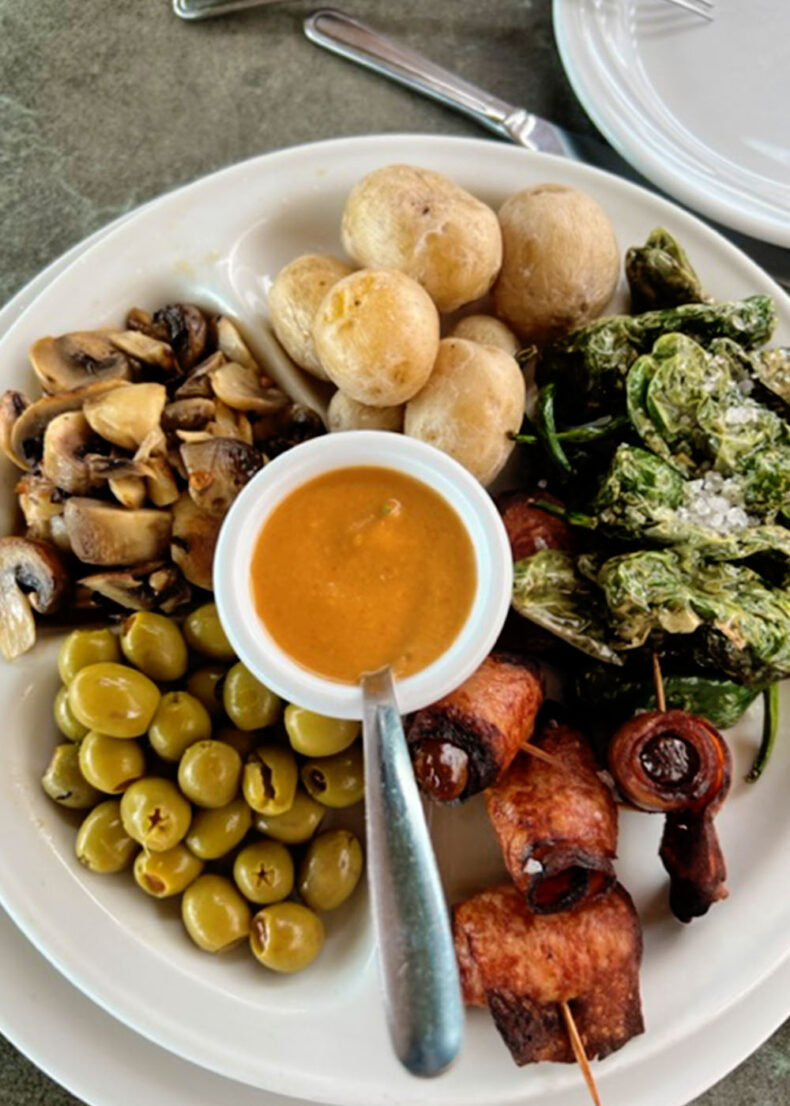
Photo by Anastasija Citajeva
Potatoes, or papas as they are called locally, are one of the most essential ingredients in Canarian cuisine. They appear in many traditional dishes and are also enjoyed in their simplest and most iconic form: boiled, salted, and served with mojo sauce.
The best-known version is papas arrugadas, or “wrinkled potatoes”, a classic Canary Islands dish made with small potatoes cooked in heavily salted water until their skins become tender and slightly wrinkled. They are usually served with two types of mojo: red mojo, often made with paprika and chilli, and green mojo, usually prepared with coriander, parsley, garlic, and olive oil.
This simple dish says a lot about local gastronomy. It is humble, full of flavour, and built around ingredients that do not need much decoration. Whether served as a starter, a side dish, or part of a larger meal with fish, meat, or cheese, papas with mojo are one of the easiest and most authentic ways to taste Gran Canaria.
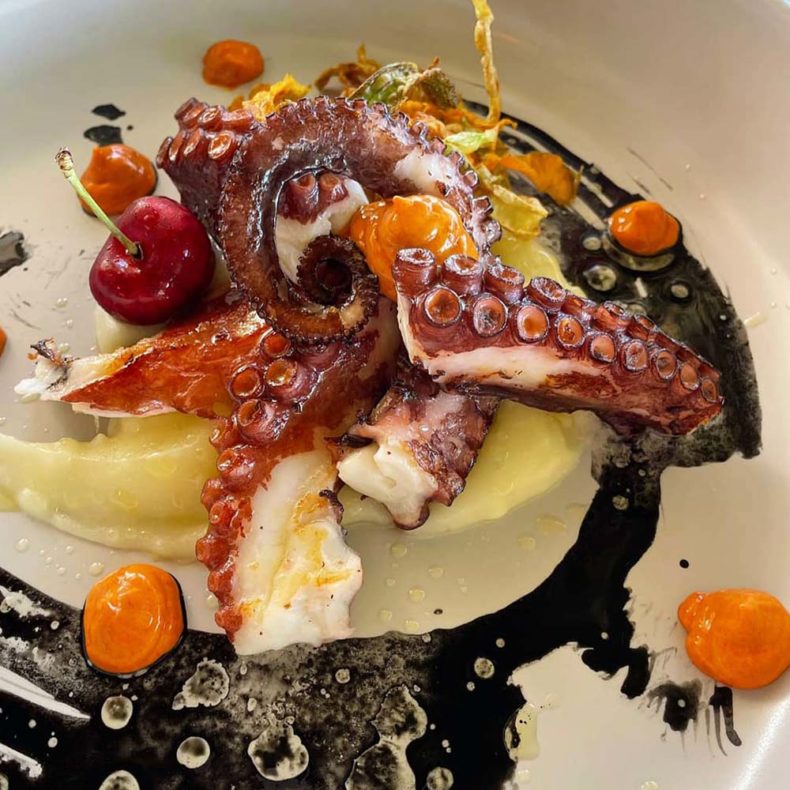
Photo on Instagram
Seafood and fish are also an essential part of the gastronomic DNA of Gran Canaria. Surrounded by the Atlantic Ocean, the island has a long tradition of preparing simple, flavourful dishes based on fresh local catch, often served with potatoes, vegetables, mojo sauce, or gofio.
Fish is a natural part of everyday island cooking, whether grilled, salted, stewed, or served in a more rustic home-style way. Coastal villages and seaside restaurants are especially good places to try local seafood, where the focus is usually on freshness rather than complicated preparation.
One of the most traditional dishes is sancocho, a stew made with boiled white fish and potatoes. Although simple in its ingredients, it has a strong emotional link for locals and is often associated with family meals, tradition, and festive occasions.
Sancocho reflects the heart of Canarian cuisine: humble ingredients, generous portions, and flavours that are closely tied to the island’s history and way of life. For travellers who want to taste something genuinely local, it is one of the dishes that gives Gran Canaria’s food culture its character.
Gran Canaria as a wine destination
It’s no exaggeration to say that Gran Canaria has it all, or at least very close to it. Beyond its beaches, mountain villages, viewpoints, and local cuisine, the island also has a growing reputation as a wine destination.
Thanks to its varied microclimates, volcanic soils, altitude changes, and Atlantic influence, Gran Canaria offers favourable conditions for winemaking. The landscape changes quickly from coast to mountain, and this diversity helps create wines with distinct character, freshness, and mineral notes.
The wider Canary Islands archipelago has become increasingly recognised among wine lovers, and Gran Canaria plays an important role in that story. According to official figures, there are over 60 wineries on Gran Canaria alone, ranging from small family-run producers to more established estates.
Visiting a local winery is a good way to experience another side of the island. Many vineyards are located in scenic inland areas, where wine tasting can be combined with mountain views, traditional villages, and local food. For travellers who enjoy gastronomy, Gran Canaria’s wine culture adds depth to the trip and shows how much variety this island can offer in a relatively small area.
Whether you are interested in crisp whites, expressive reds, volcanic wines, or simply a relaxed tasting in a beautiful setting, Gran Canaria deserves attention as more than just a beach destination.
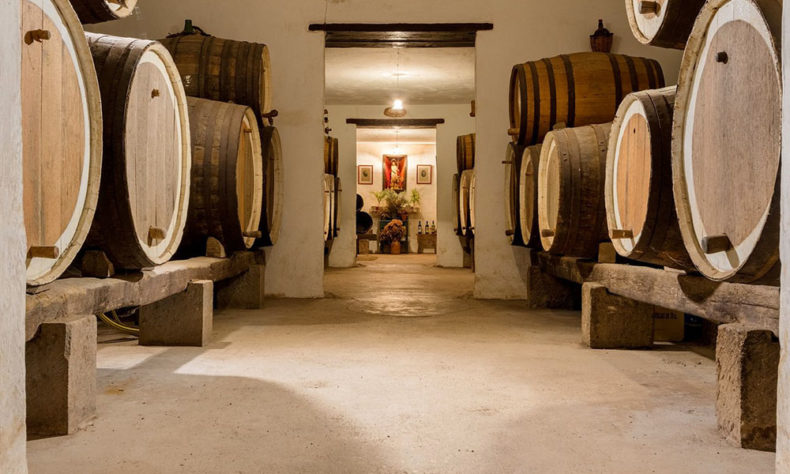
Photo on Tripadvisor
The Wine Museum in Santa Brígida is a good place to learn more about Gran Canaria’s wine production, grape varieties, and viticultural history. Located in one of the island’s traditional wine-growing areas, it offers useful context for understanding how local producers work with volcanic soils, changing altitudes, and the island’s distinctive microclimates.
A visit here adds depth to the island’s wine story. It shows how winemaking in Gran Canaria is shaped not only by climate, but also by geography, tradition, and the island’s long agricultural heritage. For travellers who want to go beyond simply tasting wine, the museum helps explain why Canarian wines have such a specific identity.
If you want to try local creations, start with a white wine made from volcanic Malvasia grapes. These wines are often aromatic, fresh, and expressive, with a character strongly influenced by the island’s volcanic terrain and Atlantic climate.
For red wine, Tintilla is a strong local choice. It offers a different side of Gran Canaria’s wine culture, usually with more structure, depth, and personality. Tasting both gives a broader impression of what the island’s wineries can produce and why Gran Canaria is becoming increasingly interesting for wine lovers.
Star gazing in Gran Canaria
When the sun goes down, Gran Canaria reveals another side of its natural beauty. Far from being only a daytime destination for beaches, hiking, and viewpoints, the island is also a remarkable place to look up at the night sky.
Gran Canaria has gained recognition as an excellent destination for astronomy and star gazing, thanks to its clear skies, varied altitude, and areas with limited light pollution. In the island’s higher inland areas, the conditions can be especially favourable for observing stars, planets, and constellations.
One of the natural features that helps create these conditions is the cloud layer known locally as the panza de burro, or “donkey’s belly”. This layer often forms at lower altitudes and can help shield the highest points of the island from light contamination, leaving the mountain areas clearer and darker at night.
For travellers, this makes the island’s interior worth exploring after sunset as well as during the day. Viewpoints and elevated areas away from the coast can offer a completely different experience, with dark skies, quiet surroundings, and wide-open views above the volcanic landscape.
After a day spent by the ocean, in mountain villages, or on hiking trails, star gazing in Gran Canaria is a slower and more atmospheric way to end the evening.
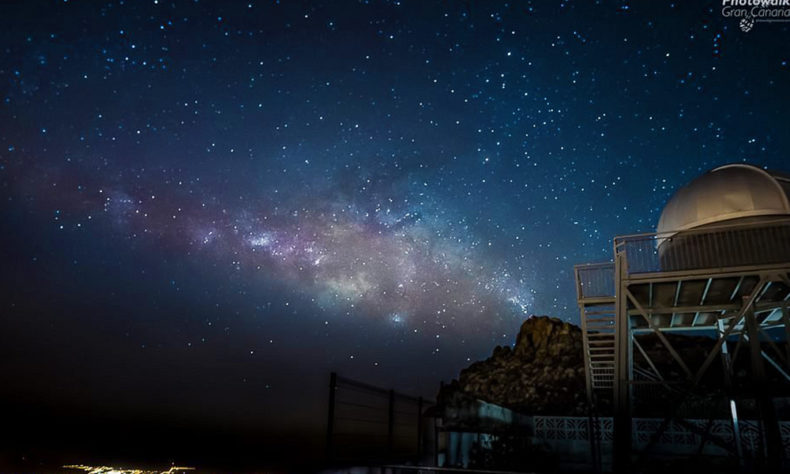
Photo on Tripadvisor
Presa de las Niñas is one of the best places in Gran Canaria to enjoy a magical night under the stars. Surrounded by pine forests, mountain scenery, and the calm blue waters of the reservoir, it offers a peaceful setting far from the brighter lights of the coast.
By day, this area is ideal for nature walks, picnics, and quiet time outdoors. By night, it becomes one of the island’s most atmospheric places for star gazing. The combination of altitude, open skies, and natural surroundings makes it a memorable spot to slow down, look up, and experience the island from a completely different perspective.
For those who want to learn more about astronomy, the observatories of Temisas and Saucillo organise activities throughout the year. These experiences are a good way to discover more about stars, planets, constellations, and the wider night sky with the help of local experts.
Whether you prefer a quiet evening by the reservoir or a guided astronomy activity, Gran Canaria offers several ways to enjoy its celestial side. After sunset, the island’s volcanic landscapes, mountain viewpoints, and dark skies create the perfect setting for a different kind of adventure.
Whether you are looking for flights to Gran Canaria for a winter sun escape, a nature-focused holiday, a beach break, or a food and wine trip, the island offers much more than one type of vacation. And if you are comparing flights to Spain, Gran Canaria stands out for its subtropical climate, Atlantic landscapes, and year-round variety.
With airBaltic, you can fly comfortably to Gran Canaria and start your island escape with ease, whether you are planning to relax by the ocean, explore volcanic landscapes, taste local food and wine, or enjoy sunny days beyond the usual summer season.