From its long summer nights and lesser-known fifth season to its distinct blend of Baltic, Nordic, and Eastern European influences, Estonia remains a mystery to many travellers – and that is exactly part of its appeal.
This is a country where medieval towns, quiet forests, wild islands, digital innovation, and deep-rooted traditions exist side by side. Estonia feels both old and forward-looking, familiar and unexpected, calm and quietly bold. Its many-layered history has shaped a destination with a strong identity, where every region reveals something different.
Whether you are looking for flights to Tallinn for a weekend city break or flights to Estonia for a longer journey through nature, culture, and coastline, the country offers plenty of room for discovery. Tallinn’s historic streets, peaceful bog trails, manor houses, seaside villages, national parks, and island landscapes all create opportunities for eye-opening travel experiences.
Inspired by Estonia’s independent spirit, travellers seeking something different can explore without limits and set their own pace. There is no need to rush here. Estonia is best experienced slowly – by wandering through old towns, breathing in forest air, watching the light change over the Baltic Sea, and discovering places that still feel quietly untouched.
For those who want a destination that feels authentic, distinctive, and slightly unexpected, Estonia offers a refreshing kind of escape. Start planning your trip with airBaltic and discover Estonia at your own pace.
Kalamaja/Noblessner
When visiting Tallinn, make sure to leave time for Kalamaja and Noblessner, two of the city’s most characterful districts. Located close to the sea and just a short distance from the Old Town, these neighbourhoods show a more modern, creative, and local side of the Estonian capital.
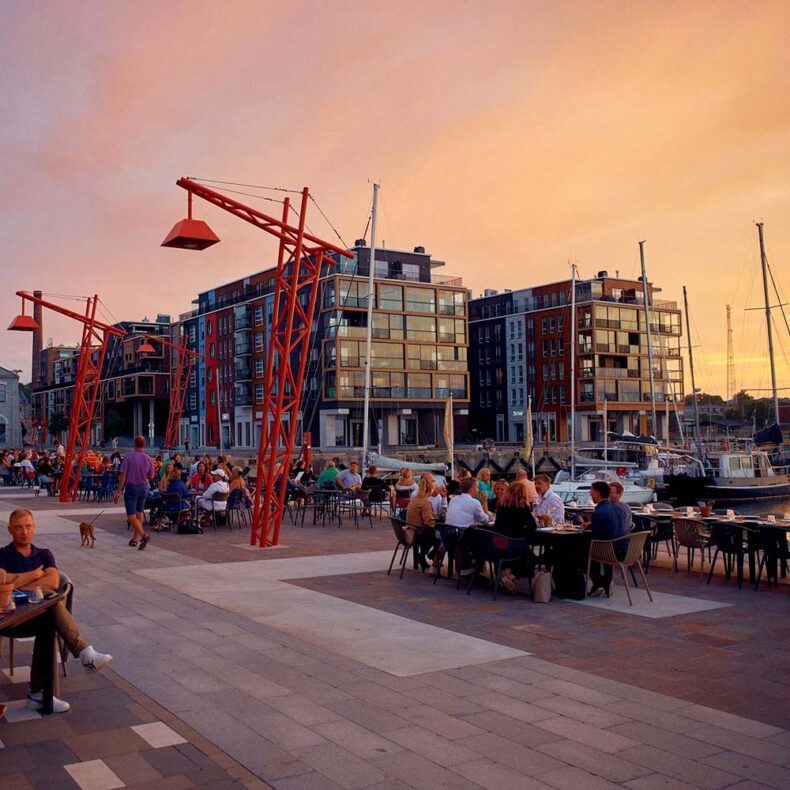
Photo on Instagram
Kalamaja is known for its colourful wooden houses, relaxed atmosphere, and strong neighbourhood identity. Once a traditional fishermen’s and workers’ district, it has become one of Tallinn’s most popular areas for cafés, small shops, galleries, street art, and local design. It is a good place to wander without a strict plan, stop for coffee, and see how historic Tallinn blends with a younger creative scene.
Noblessner, located by the city’s coast, adds a more industrial and contemporary edge. Once a submarine shipyard, the area has been transformed into a stylish seaside quarter with restaurants, cafés, breweries, cultural venues, and waterfront spaces. Its coastal setting gives it a cosy yet modern feel, making it especially pleasant for a slow afternoon or evening by the water.
Together, Kalamaja and Noblessner are ideal for travellers who want to experience Tallinn beyond the medieval Old Town. They offer good food, local atmosphere, sea views, creative energy, and a glimpse of how the city is evolving while still keeping its distinct northern character.
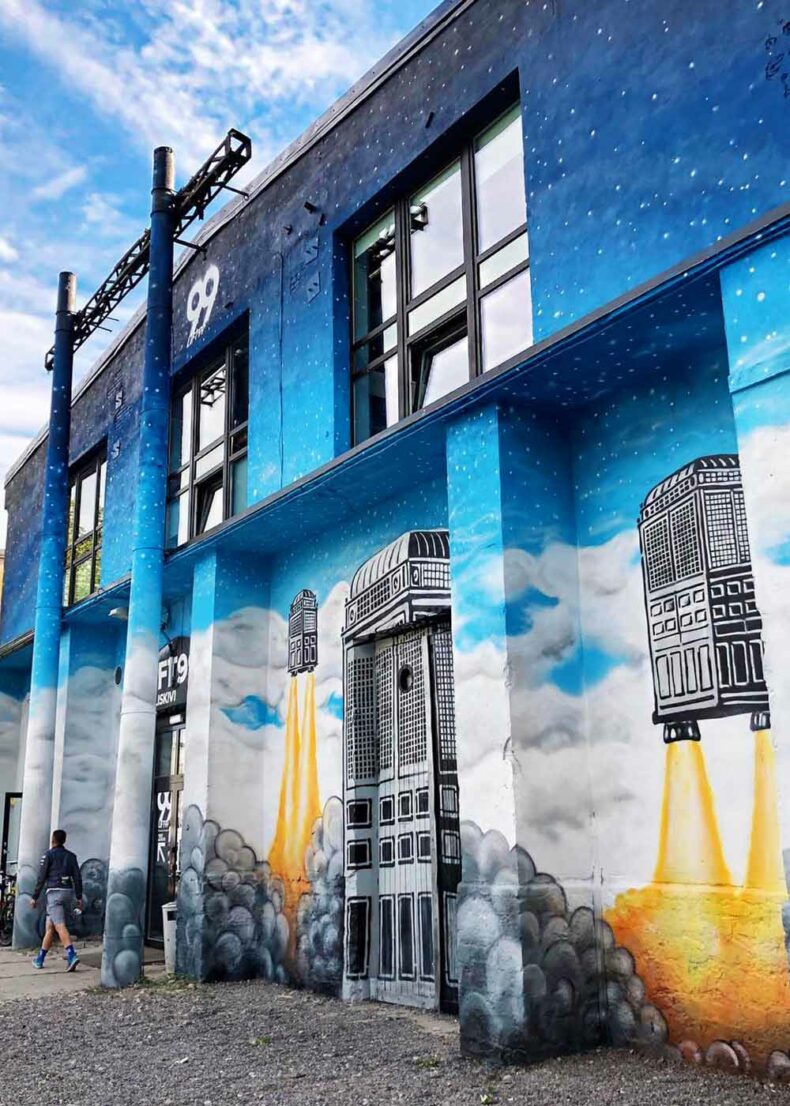
Photo on Instagram
The Kalamaja district is considered one of the trendier parts of Tallinn and has quickly gained a reputation for its creative energy. With its art galleries, cafés, bars, small shops, and relaxed local atmosphere, it is one of the best areas to experience the city beyond the classic Old Town route.
Located between Tallinn’s medieval Old Town and the coastal part of the city, Kalamaja has a distinct character shaped by both history and change. Once a traditional working-class and fishermen’s neighbourhood, it is now one of the capital’s most dynamic districts, where old wooden houses stand alongside modern cultural spaces and independent businesses.
The district is especially known for its colourful wooden architecture. These charming houses give Kalamaja a softer and more residential feel, creating a strong contrast with the stone towers and cobbled streets of the Old Town nearby. It is a neighbourhood made for slow walks, coffee stops, casual dining, and discovering Tallinn’s more contemporary side.
For travellers who enjoy creative neighbourhoods, local food, street life, and architecture with personality, Kalamaja is one of the most rewarding places to explore in Tallinn.
Estonian islands
With its long coastline and deep connection to the Baltic Sea, Estonia has more than 2,000 islands to explore. Each offers a different kind of experience, from wild nature and quiet beaches to historic villages, lighthouses, hiking trails, and traditional island culture.
These islands are ideal for travellers who want to slow down and see a more peaceful side of Estonia. Some are easy to reach and well developed for visitors, while others feel remote, untouched, and almost completely removed from everyday life. Together, they show how much variety Estonia can offer beyond Tallinn and the mainland.
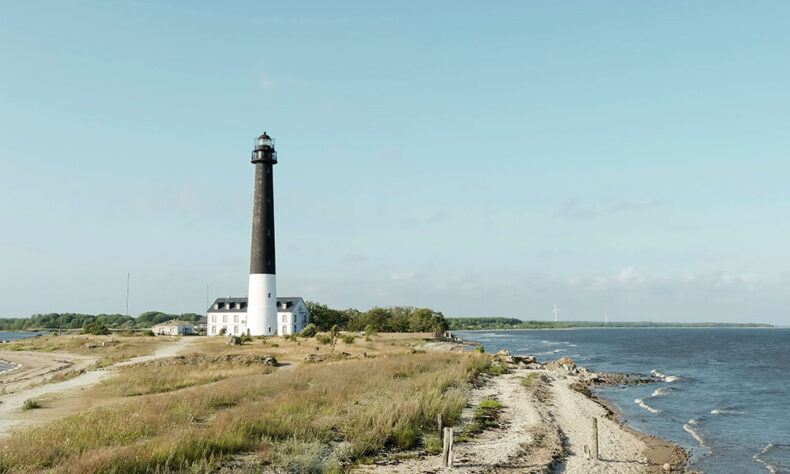
Photo on Unsplash
Saaremaa, Estonia’s largest island, is one of the best places to start. It offers something for almost every kind of traveller, including nature, hiking, history, local food, spa experiences, and scenic coastal landscapes. The island is known for its relaxed pace, traditional villages, juniper fields, windmills, and the impressive Kuressaare Castle, one of the best-preserved medieval fortresses in the Baltics.
For those interested in nature, Saaremaa has forests, beaches, cliffs, and walking routes that make it easy to spend time outdoors. For history lovers, the island offers old churches, manor houses, archaeological sites, and traces of Estonia’s long and layered past.
A trip to Saaremaa is a good reminder that Estonia is not only about city breaks. Its islands add depth to the journey, offering space, silence, sea air, and a slower rhythm that makes the country feel even more distinctive.
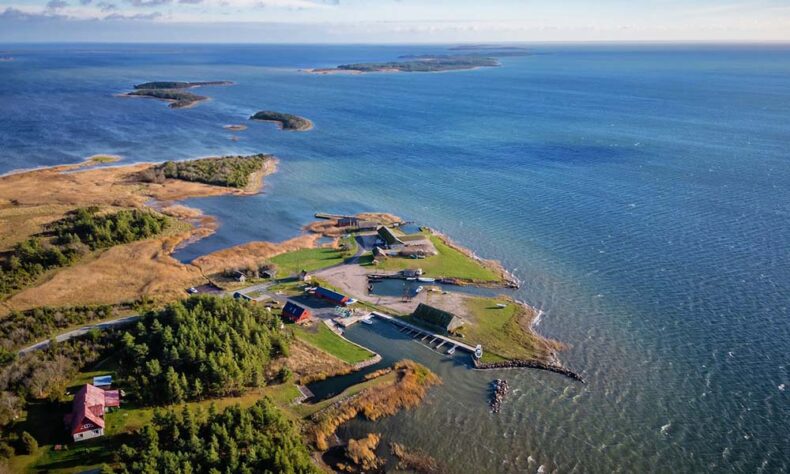
Photo on Instagram
Hiiumaa, Estonia’s second-largest island, is a good choice for travellers who want to experience untouched nature, quiet landscapes, and a slower rhythm of life. The island is known for its forests, lighthouses, coastal roads, historic ruins, and peaceful villages, making it ideal for those who prefer calm exploration over crowded attractions.
Hiiumaa is especially appealing for nature lovers. Its beaches, wooded trails, wetlands, and open coastal scenery create plenty of opportunities for walking, cycling, photography, and simply enjoying the silence. The island also has a strong sense of history, with old churches, military remains, and traditional island settlements adding depth to the journey.
In winter, Hiiumaa becomes even more unusual. When conditions allow, visitors can reach the island by driving along one of Europe’s longest ice roads, a seasonal route across the frozen sea. It is one of Estonia’s most distinctive winter experiences and shows just how closely local life is connected to nature and the Baltic climate.
Kihnu offers something completely different. This small island is known for its unique coastal culture and traditions, many of which have historically been preserved and carried forward by women. Its community, music, clothing, handicrafts, and everyday customs make Kihnu one of the most distinctive cultural destinations in Estonia.
A visit to Kihnu gives travellers a rare chance to experience a living island culture that feels deeply rooted and unlike anywhere else in the country. Together, Hiiumaa and Kihnu show how varied Estonia’s islands can be – from untouched nature and winter ice roads to traditional communities and strong local identity.
Romantic small towns
Cities are only one part of Estonia. Beyond Tallinn and the larger urban centres, the country is full of quaint small towns and villages where travellers can experience a quieter, slower, and more romantic side of local life.
These smaller places reveal a different rhythm of Estonia. Instead of busy streets and major landmarks, they offer wooden houses, peaceful parks, historic streets, seaside walks, old manor buildings, cosy cafés, and a stronger sense of everyday local character. They are ideal for travellers who want to slow down and see Estonia beyond the usual city break.
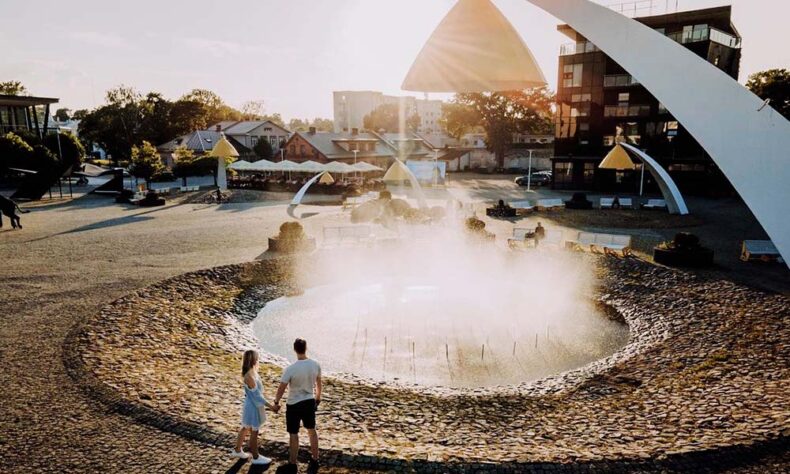
Photo on Instagram
If you are looking for a calm escape, make a stop in Haapsalu. This charming seaside town is known for more than 150 years of spa culture, making it one of Estonia’s classic wellness destinations. Its relaxed atmosphere, fresh sea air, and long tradition of health resorts make it a natural place to rest and reset.
Haapsalu is also loved for its old-style wooden architecture and romantic seaside promenades. A walk through the town reveals decorative wooden villas, quiet streets, historic buildings, and views across the water. It is the kind of place where the best experience is not rushing from one attraction to another, but simply wandering, sitting by the sea, and enjoying the slower pace.
For travellers who want to add softness, charm, and a sense of nostalgia to their Estonia trip, Haapsalu is one of the best small-town stops in the country.
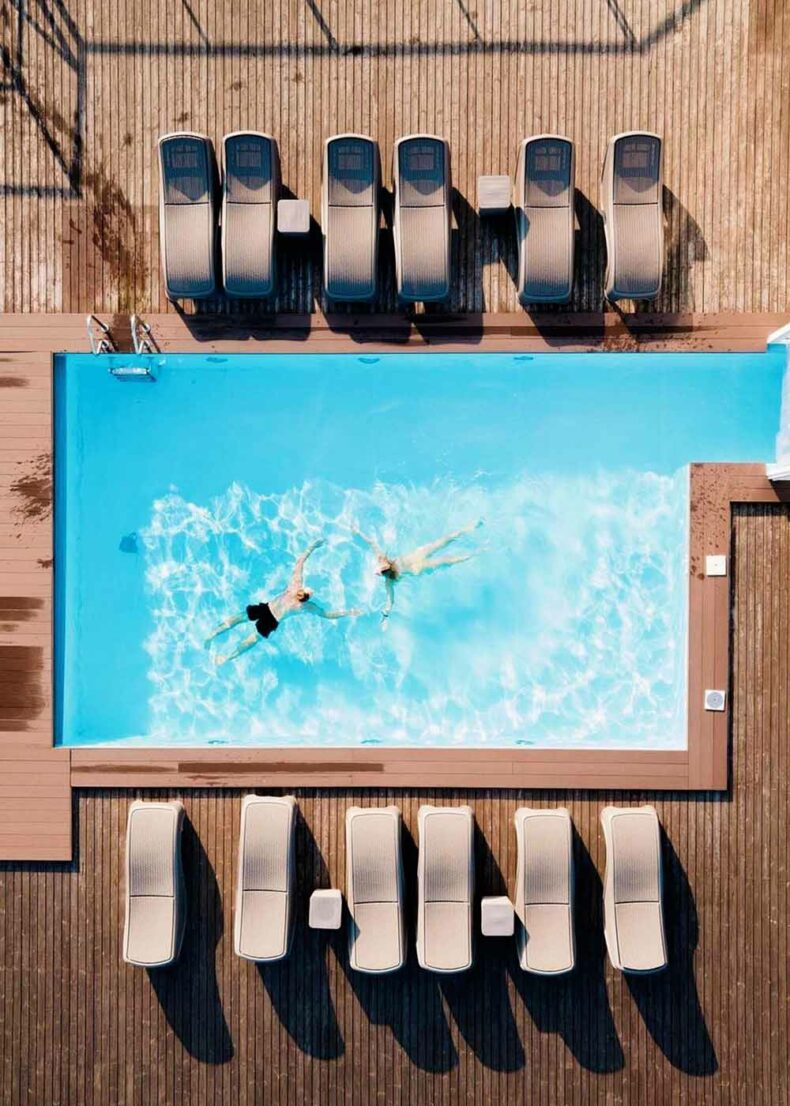
Photo on Instagram
If you want to combine nature, history, and small-town charm, don’t miss Viljandi. Set beside a scenic lake in southern Estonia, this charming town is one of the country’s hidden gems and a rewarding stop for travellers who want to see a quieter, more atmospheric side of Estonia.
Viljandi is best known for its castle ruins, which sit on a hill overlooking the surrounding landscape. The remains of the medieval fortress give the town a strong historical character, while the nearby parkland, walking paths, and lake views make it an easy place to explore at a relaxed pace.
Nature is also a major part of Viljandi’s appeal. The lake, green spaces, and surrounding hills create a peaceful setting for walks, photography, and slow afternoons outdoors. It is the kind of town where history and landscape feel closely connected.
Viljandi is also known for its cultural life, especially its medieval festivals and folk traditions. During events, the town becomes more lively, with music, performances, markets, and a stronger sense of local heritage. Even outside festival season, Viljandi has plenty of small-town warmth, with cosy cafés, wooden houses, creative corners, and a calm rhythm that makes it easy to stay longer than planned.
For travellers looking beyond Estonia’s capital, Viljandi offers a memorable mix of castle ruins, lakeside scenery, culture, and understated charm.
National parks and active holiday possibilities
For nature enthusiasts and animal lovers, Estonia offers a rich and surprisingly wild travel experience. Much of the country is covered by forests, wetlands, bogs, rivers, lakes, and protected landscapes, making it one of the best destinations in Europe for travellers who want to reconnect with nature.
Estonia’s national parks and nature preserves take visitors deep into dense forests, quiet marshlands, coastal meadows, and raised bogs. These landscapes are home to a wide range of wildlife, including brown bears, elk, roe deer, moose, and the European lynx. For travellers used to more developed city breaks, Estonia’s wilderness can feel refreshingly raw and peaceful.
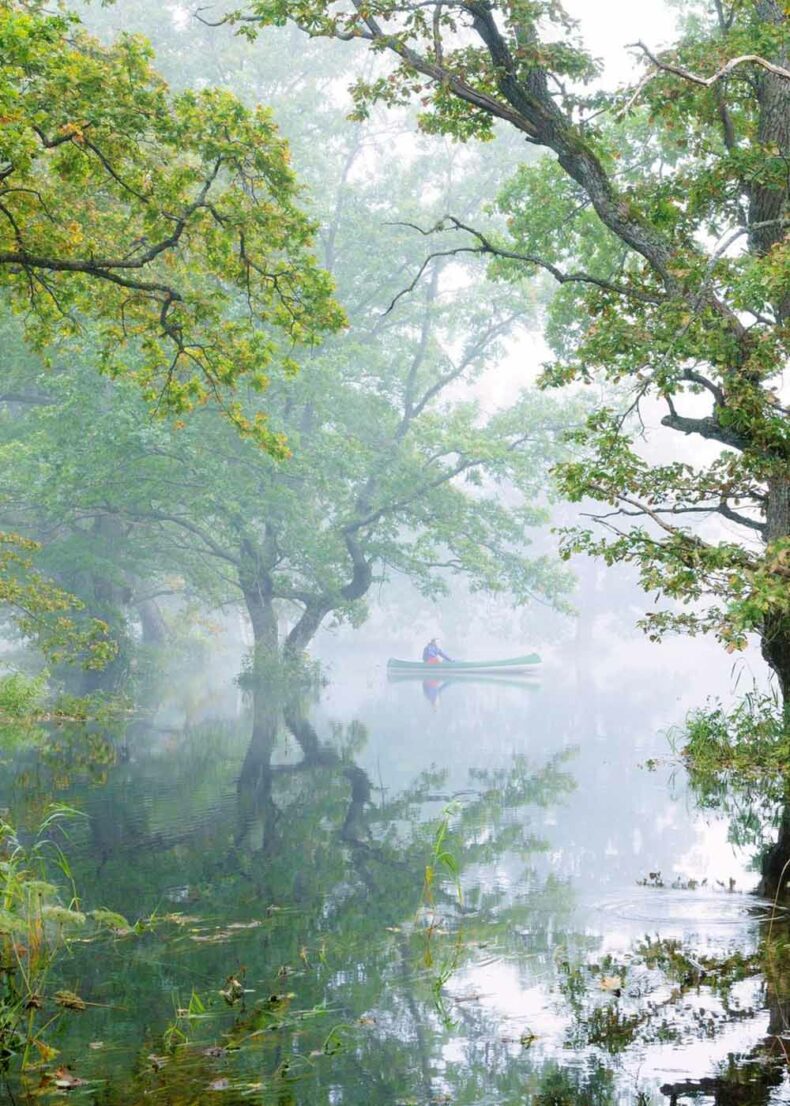
Photo on Instagram
The country is also an excellent destination for birdwatchers. With more than 380 recorded bird species, Estonia attracts both casual nature lovers and serious birding enthusiasts. Coastal areas, wetlands, islands, and migration routes all offer good opportunities to spot different species throughout the year.
One of the most unique natural experiences can be found in Soomaa National Park, a place famous for Estonia’s so-called fifth season. This seasonal phenomenon happens when melting snow and spring floods inundate the wetlands, meadows, and lower forests, transforming the landscape into a temporary world of water.
During the fifth season, visitors can canoe through flooded forests and across areas that are normally dry land. It is one of Estonia’s most distinctive outdoor experiences and a strong example of how closely the country’s identity is tied to nature, water, and seasonal change.
For travellers looking beyond towns and cultural landmarks, Estonia’s parks and wildlife areas offer a quieter but deeply memorable side of the country – one shaped by forests, animals, birds, wetlands, and landscapes that still feel genuinely untouched.
Tallinn Old Town
No visit to Tallinn is complete without exploring the city’s Old Town. This is the historic heart of the Estonian capital and one of the best places to understand why Tallinn feels so different from many other European cities.
Here, visitors can experience one of the best-preserved medieval city centres in Europe, with Gothic spires, winding cobblestone streets, old merchant houses, hidden courtyards, and city walls that seem to take you back in time. Every corner has a sense of history, from church towers and narrow lanes to atmospheric squares and centuries-old façades.
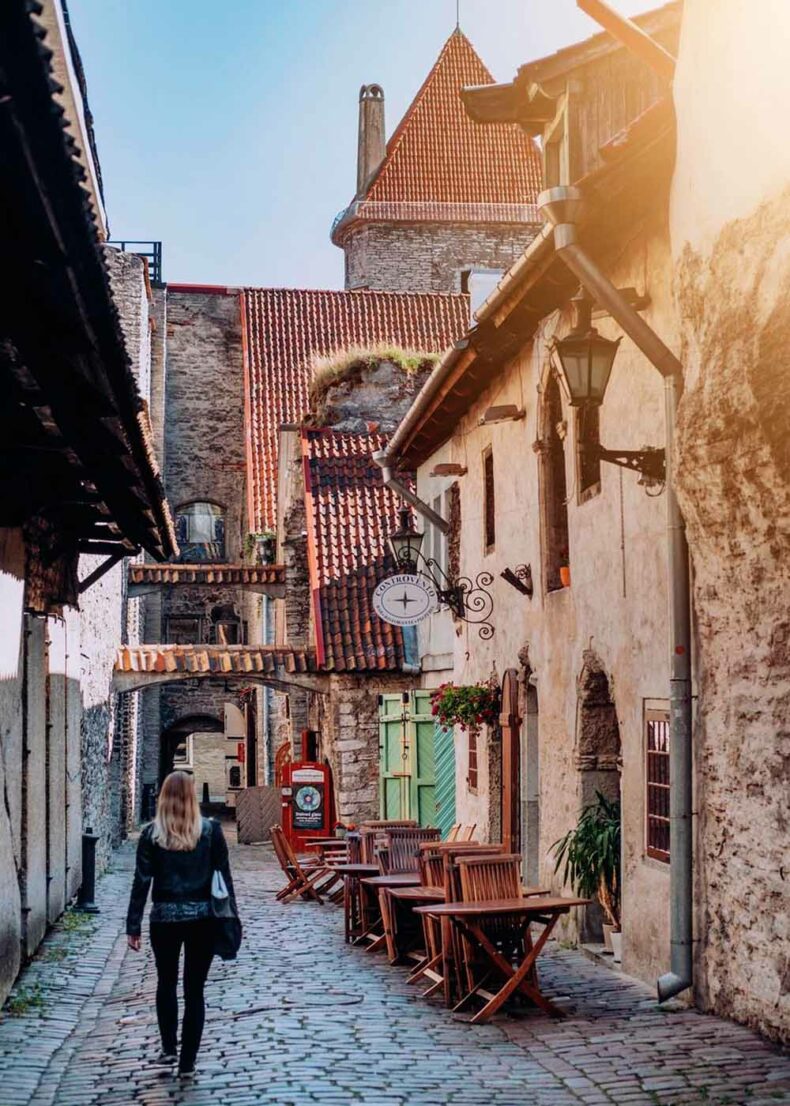
Photo on Instagram
Tallinn Old Town is also where the medieval and the modern meet in a very natural way. You can enjoy Estonian cuisine with a view of a medieval tower, stop for coffee in a building shaped by Hanseatic trade, or walk from a historic square into a contemporary restaurant, boutique, or gallery within minutes.
The area reflects Tallinn’s many-layered identity. It is historic but still lively, compact but full of detail, and traditional without feeling frozen in the past. Whether you visit for architecture, food, photography, history, or simply the atmosphere, the Old Town is one of the essential experiences in Tallinn.
For travellers looking for flights to Tallinn or planning a wider trip with flights to Estonia, the Old Town is a strong starting point. It gives the city its unmistakable character and offers a first glimpse into Estonia’s blend of medieval heritage, northern charm, and modern confidence.
Beaches
Estonia sits beside the Baltic Sea and the Gulf of Finland and has more than 2,000 islands to explore. This close connection to the sea gives the country a surprisingly varied coastline, with beaches that suit different kinds of travellers – from quiet nature lovers to those looking for a classic summer resort atmosphere.
For a peaceful beach escape in the north, head to Narva-Jõesuu. Known for its long stretch of sandy coastline, this seaside town is a good choice for travellers who want wide beaches, fresh sea air, and a calmer setting close to Estonia’s eastern edge. It is ideal for long walks, slow beach days, and a more relaxed coastal experience.
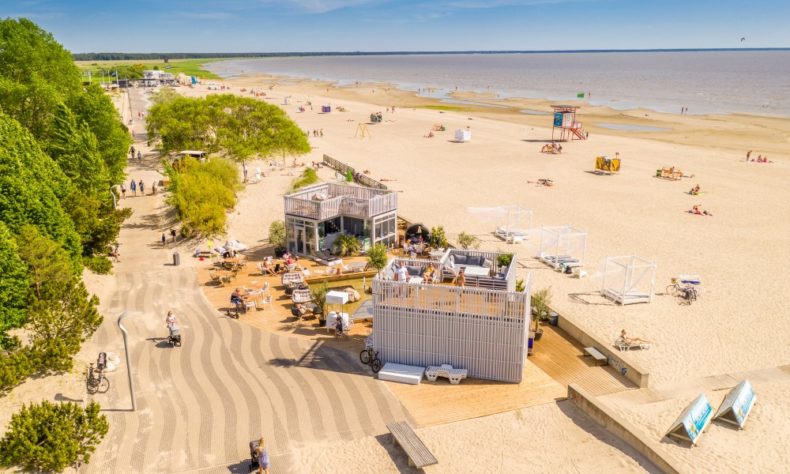
If you prefer a beach city with wide promenades, cafés, bars, and a lively summer mood, Pärnu is the place to go. Located in western Estonia, Pärnu is known as the country’s summer capital for good reason. Its sandy beach, shallow waters, spa hotels, restaurants, and relaxed seaside atmosphere make it one of Estonia’s most popular warm-weather destinations.
The area has an easy-going rhythm that works well for travellers who want to enjoy the water, sunshine, and plenty of downtime. Whether you spend the day walking along the promenade, relaxing on the sand, stopping at a café, or enjoying the town’s spa culture, Pärnu offers one of the most complete beach experiences in Estonia.
Together, Narva-Jõesuu and Pärnu show that Estonia is not only a destination for forests, islands, and medieval towns. Its coastline also offers space, sea views, summer energy, and a slower way to experience the country.
Peipsi area
Scenic landscapes, traditional cuisine, and the fourth-largest lake in Europe – welcome to the Peipsi area of southern Estonia. This region is ideal for travellers who are culturally curious and want to experience a side of the country that feels slower, more traditional, and further away from the usual tourist routes.
Lake Peipsi gives the area its strong sense of place. Stretching along Estonia’s eastern border, it creates wide horizons, quiet lakeside villages, sandy shores, fishing traditions, and a landscape that feels calm and open. The region is especially appealing for those who want to combine nature with local culture rather than simply tick off major landmarks.
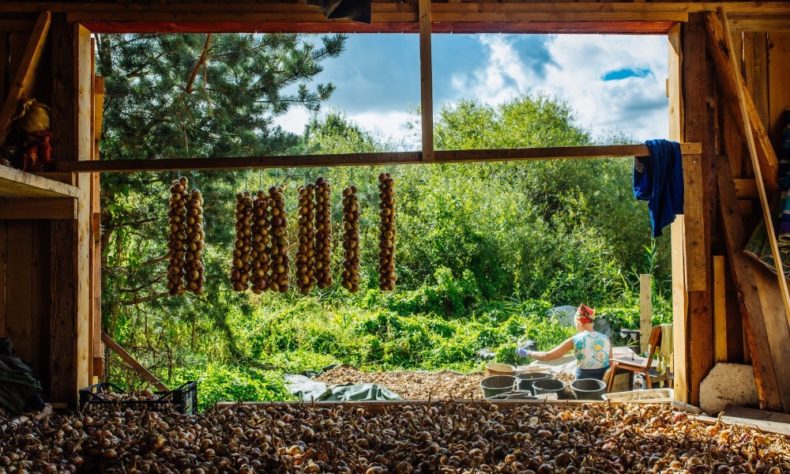
Peipsi is also home to some of Estonia’s most distinctive traditional culture and culinary heritage. The area is known for its Old Believer villages, onion-growing traditions, smoked fish, local markets, and simple regional dishes shaped by life beside the lake. Here, food is closely tied to place, season, and community.
For travellers looking for something off the beaten path, the Peipsi area offers a different kind of Estonia. It is not about rushing from one attraction to another, but about lakeside roads, small villages, local flavours, quiet landscapes, and cultural details that make the journey feel more personal.
A visit to Peipsi is a strong choice for anyone who wants to go beyond Tallinn and discover Estonia’s rural character, culinary traditions, and understated natural beauty.
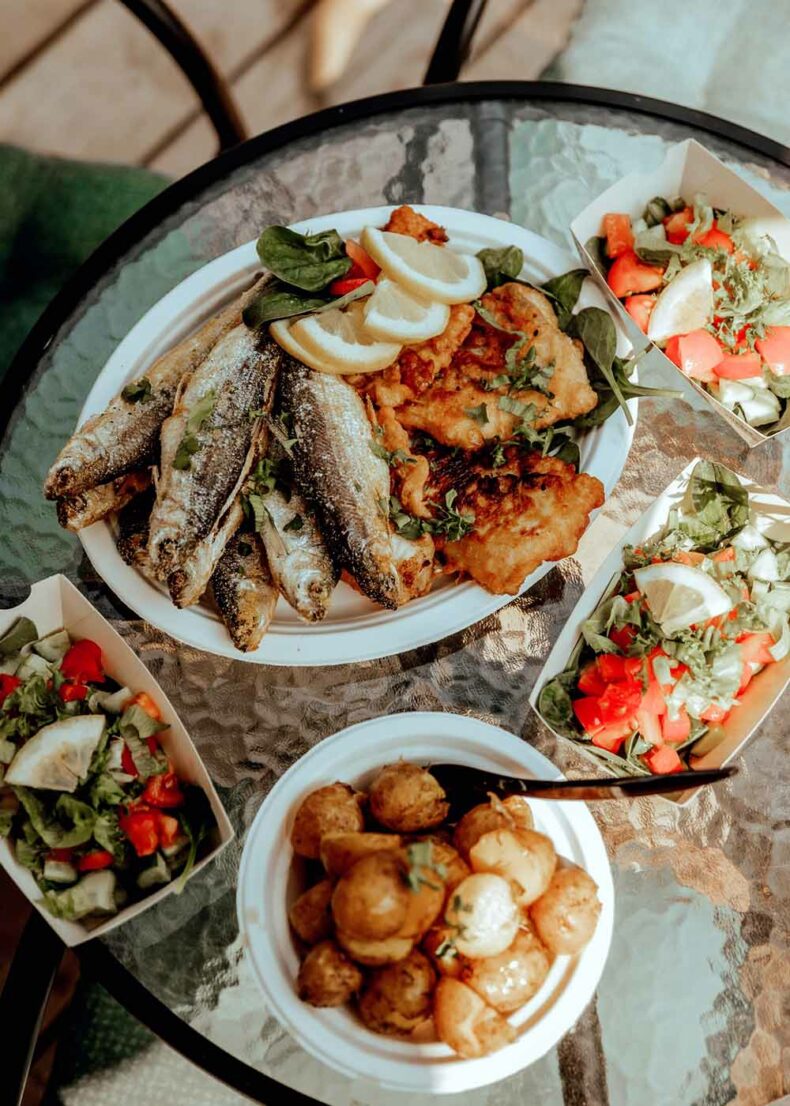
Photo on visit Estonia
Food is one of the strongest reasons to visit the Peipsi area, especially if you want to experience Estonia through local traditions rather than standard tourist routes. The region’s cuisine is closely tied to the lake, the land, and the communities that have lived here for generations.
Fish plays a central role in local cooking, with Lake Peipsi providing an important source of fresh catch. Smoked fish, simple fish dishes, and lakeside meals are part of the area’s identity, reflecting the practical and flavourful food traditions of this eastern Estonian region.
Onions are just as important. In fact, the Peipsi area is so closely associated with onion growing that visitors can follow the Onion Route, a cultural and culinary trail that connects traditional villages, local farms, roadside stalls, and small producers. It is one of the best ways to experience the region’s rural character and understand how food, history, and local life come together here.
So if you want something different, traditional, and genuinely rooted in place, come to Peipsi. This is Estonia at a slower pace – with lakeside landscapes, old village traditions, local flavours, and a sense of heritage that feels distinct from the rest of the country.
Food
Estonia is a genuinely distinctive destination when it comes to food.
The country’s cuisine brings together influences from Nordic, Finnish, German, Russian, and broader Eastern European traditions, but the result does not feel like a copy of any one of them. Instead, Estonian food has its own clear identity – seasonal, earthy, simple, and closely connected to the land, forests, farms, and Baltic Sea.
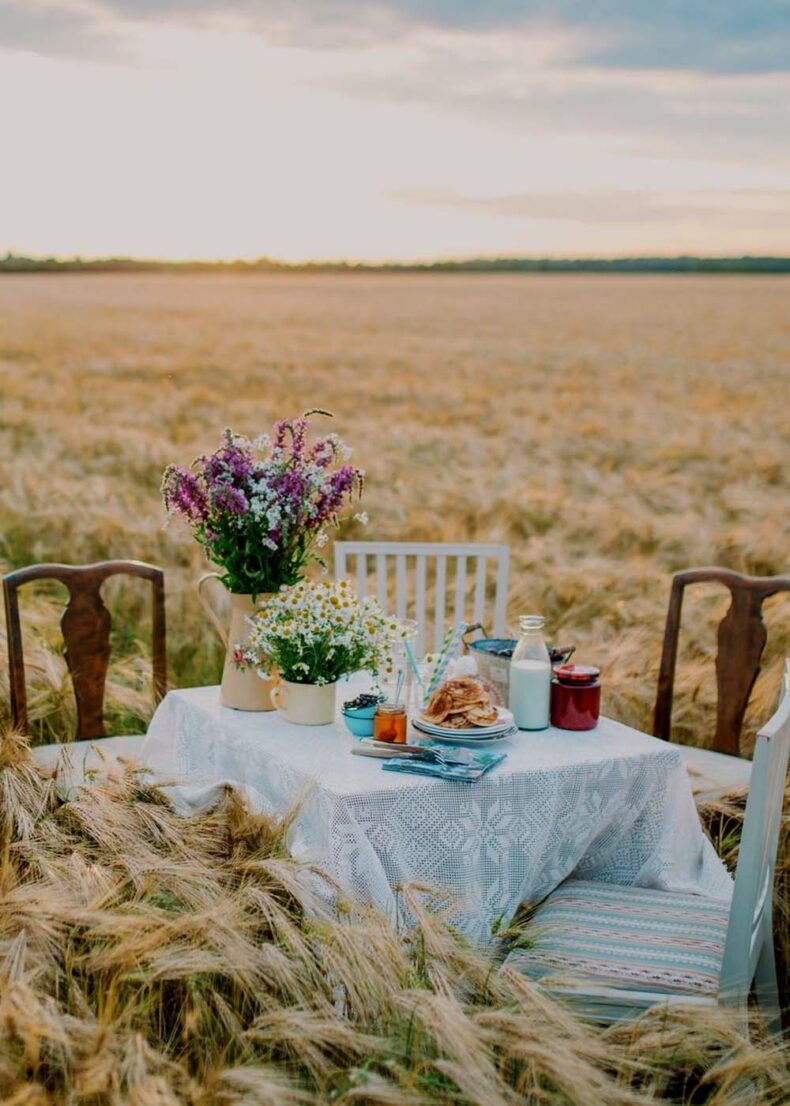
Photo on Instagram
What makes Estonian cuisine especially interesting is not only where it comes from, but how it is prepared. Many dishes rely on traditional methods such as smoking, pickling, fermenting, curing, baking, and preserving. These techniques were originally practical ways to make food last through long winters, but today they are part of what gives Estonian food its character.
Expect dark rye bread, smoked fish, forest mushrooms, berries, potatoes, dairy, game, and hearty seasonal dishes that feel both rustic and refined. In recent years, Estonia’s food scene has also become more creative, with chefs reworking traditional ingredients into modern, thoughtful dishes. That mix of old and new makes eating in Estonia feel like a real part of discovering the country.
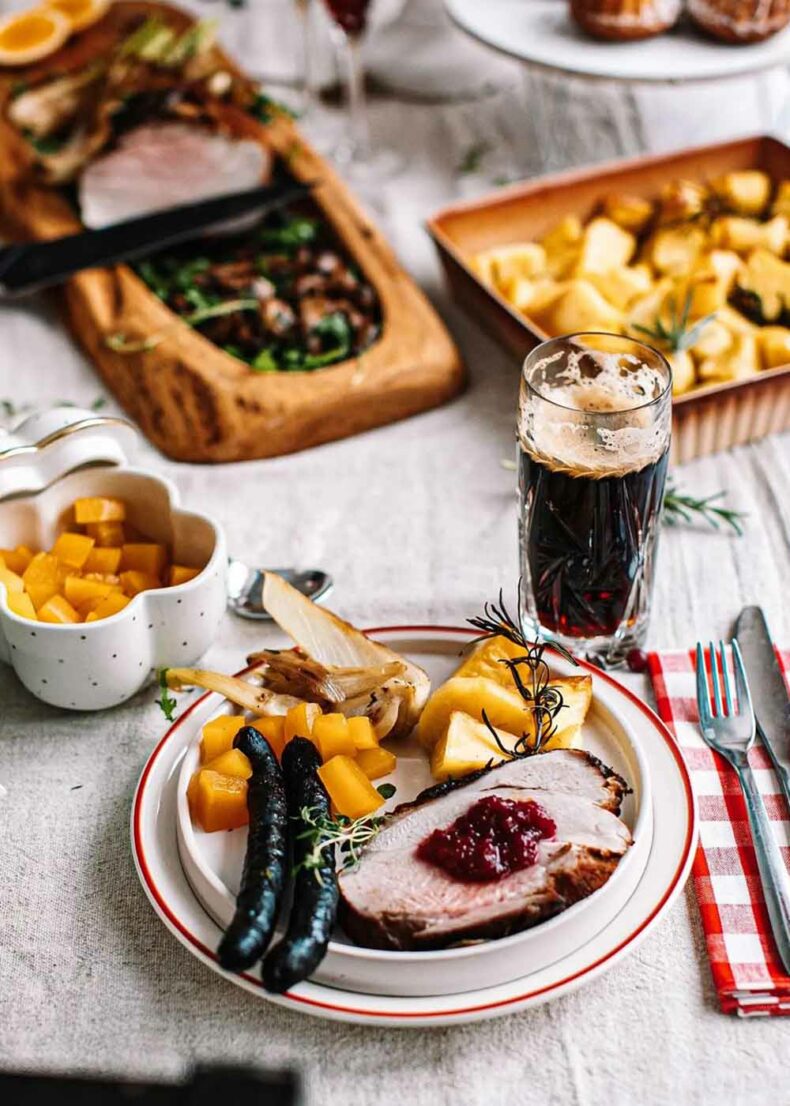
Photo on Instagram
Cooking with local ingredients is a priority for many Estonian chefs. Across the country, menus are often shaped by the season, the local market, and what farmers, fishermen, foragers, and small producers can supply at that moment.
This gives Estonian dining a strong sense of place. In spring and summer, you may find menus built around fresh herbs, berries, vegetables, and fish. In autumn, mushrooms, root vegetables, game, and preserved ingredients become more prominent. In winter, chefs lean into heartier flavours, fermented foods, smoked products, and traditional preservation techniques.
That focus on seasonality and local sourcing has helped Estonia build a strong culinary reputation. It is no surprise that the country is home to many respected restaurants, including dozens recognised by White Guide Nordic. For visitors, this means that food in Estonia is not just something to enjoy between sightseeing stops – it is one of the best ways to experience the country itself.
Summer festivals
Estonia’s major festivals take place throughout the year, from springtime music gatherings and summer open-air events to autumn and winter cultural highlights. Whatever season you choose to visit, there is a good chance that something is happening somewhere in the country.
In spring, Tallinn Music Week brings the city to life with a mix of live music, creative culture, and industry events. Held across venues in Telliskivi Creative City and other parts of Tallinn, the festival showcases emerging artists from Estonia, Europe, and beyond, covering a wide range of genres and styles.
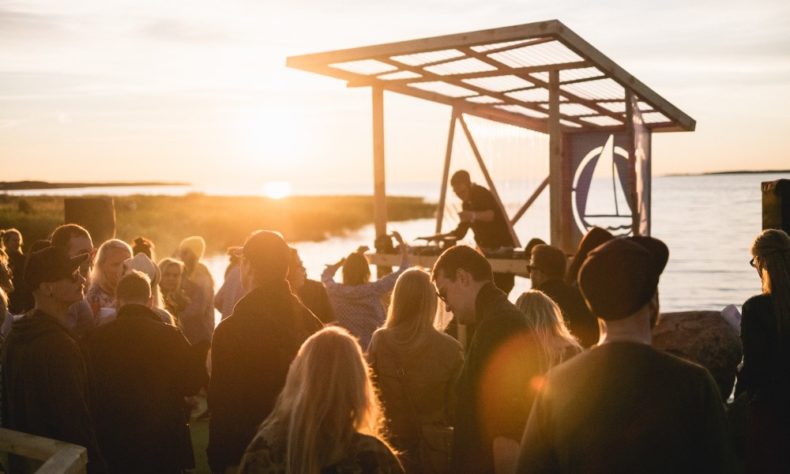
Summer is one of the busiest seasons for festivals in Estonia. Beach Grind turns Pärnu’s seaside atmosphere into a large outdoor music event, bringing hip-hop, pop, and electronic acts to the coast. I Land Sound offers a different kind of summer experience, combining music, art, and nature on Illiku islet in Saaremaa. In Haapsalu, Augustibluus has become a well-known annual blues festival, with concerts taking place in the town’s atmospheric seaside setting and historic castle surroundings.
As autumn arrives, Estonia’s cultural calendar continues with events such as Viljandi Guitar Festival, a more intimate cross-genre music event held in one of the country’s most charming cultural towns. Later in the year, Tallinn Black Nights Film Festival, also known as PÖFF, brings international cinema to Estonia with screenings, premieres, industry events, and film programmes in Tallinn and beyond.
Together, these annual festivals show how active Estonia’s cultural scene is across the full year. From beach parties and island festivals to folk traditions, guitar music, blues, and international film, Estonia offers much more than a short summer festival seaso
Family holiday in Estonia
There is one more thing about Estonia that should not be overlooked – it is an excellent destination for families.
The country is easy to explore, compact enough for shorter travel days, and full of experiences that work well for both adults and children. Whether you are visiting Tallinn, heading to the coast, spending time in nature, or exploring smaller towns, Estonia offers plenty of family-friendly places where children can learn, play, and stay engaged.
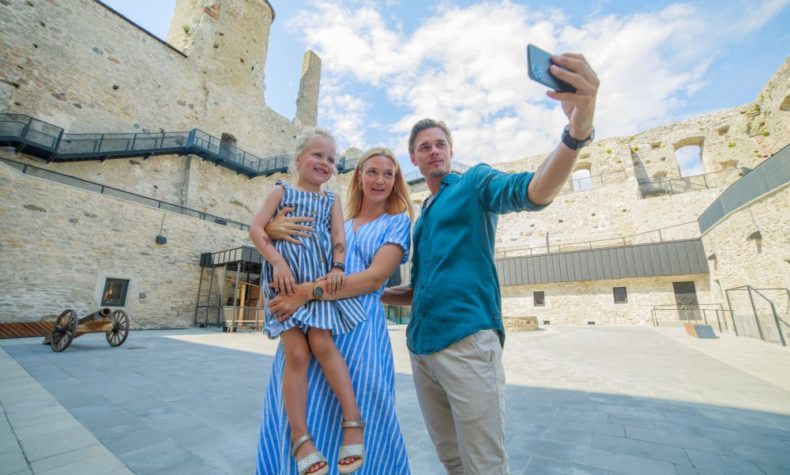
For curious minds, Estonia has several museums and attractions that are designed to be interactive rather than passive. In Tallinn, PROTO Invention Factory is a strong choice for families, combining science, technology, imagination, and hands-on activities in a way that feels playful and accessible. In Tartu, the AHHAA Science Centre is another major highlight, with exhibitions, experiments, and displays that make science feel exciting for children and adults alike.
Beyond museums, families can enjoy Estonia’s parks, beaches, nature trails, castles, old towns, and open-air attractions. Many places are relaxed, walkable, and easy to fit into a family itinerary, making Estonia a practical choice for a holiday with children. It is the kind of destination where a trip can include learning, outdoor time, culture, and fun without feeling rushed or overly complicated.

Photo on Instagram
Families can also enjoy Estonia’s playful side at its theme parks and outdoor attractions. Vudila Playland is a popular choice for younger children, with water activities, playgrounds, trampolines, animals, and plenty of space to run around. Lottemaa, the largest theme park in the Baltics, is another major family highlight, bringing the world of Lotte Village to life with characters, shows, games, and imaginative activities for children.
Estonia is also a good destination for families who want to spend more time outdoors. The country has a wide network of hiking trails, boardwalks, nature reserves, forests, bogs, and coastal paths, many of which are suitable for children. Several trails are short, well-marked, and easy to walk, making them practical even for families with younger kids.
That mix of theme parks, interactive attractions, nature trails, beaches, and relaxed towns makes Estonia an easy country to enjoy with the whole family. Parents can plan a holiday that includes both fun and learning, while children get plenty of space to explore, play, and experience something new.
Book your flights to Estonia with airBaltic and discover a family-friendly destination filled with culture, nature, festivals, local food, and memorable experiences for every age.