Once known as the ‘Little Paris’ of Europe, Bucharest is a city full of unexpected beauty. Beyond its lively boulevards and popular landmarks, elegant Belle Époque villas, wisteria-covered façades and beautifully restored historic buildings reveal a more romantic side of the Romanian capital.
With ambitious restoration projects and passionate local initiatives bringing its architectural heritage back to life, there has never been a better time to slow down, look up and discover a different side of Bucharest.
- Bucharest’s most beautiful architectural gems
- Bucharest after hours: gardens, festivals and culture
- The new generation reviving old Bucharest
Bucharest’s most beautiful architectural gems
Grand boulevards, ornate palaces and elegant villas still tell the story of the era when Bucharest earned its nickname, the ‘Little Paris’ of Europe.
During the reign of Carol I, Romania’s first king, Neoclassical and Beaux-Arts architecture transformed the capital, with French architects and Parisian influences helping to shape its sophisticated cityscape.
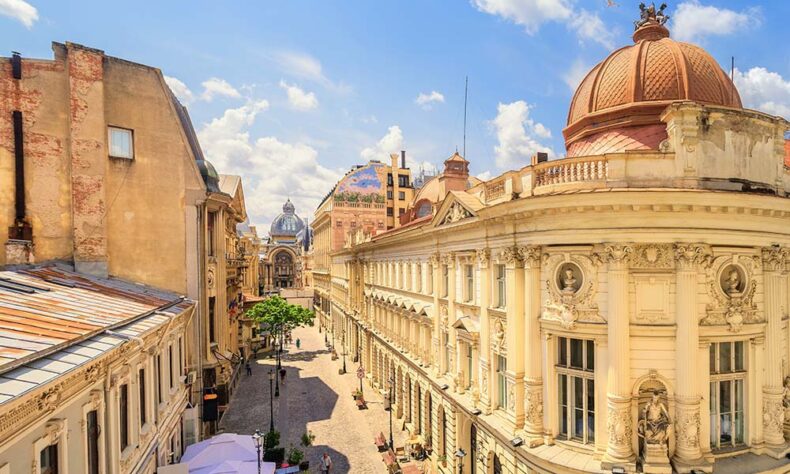
But Bucharest’s Belle Époque was about more than beautiful buildings. Cafés, theatres and literary salons flourished, attracting writers, musicians, artists and political figures and turning the city into a vibrant centre of culture and creativity.
Much of that spirit survives today, from the grand landmarks of Calea Victoriei to the elegant villas tucked away in historic neighbourhoods. Here are some of the must-visit places and architectural gems to see on your next trip to Bucharest.
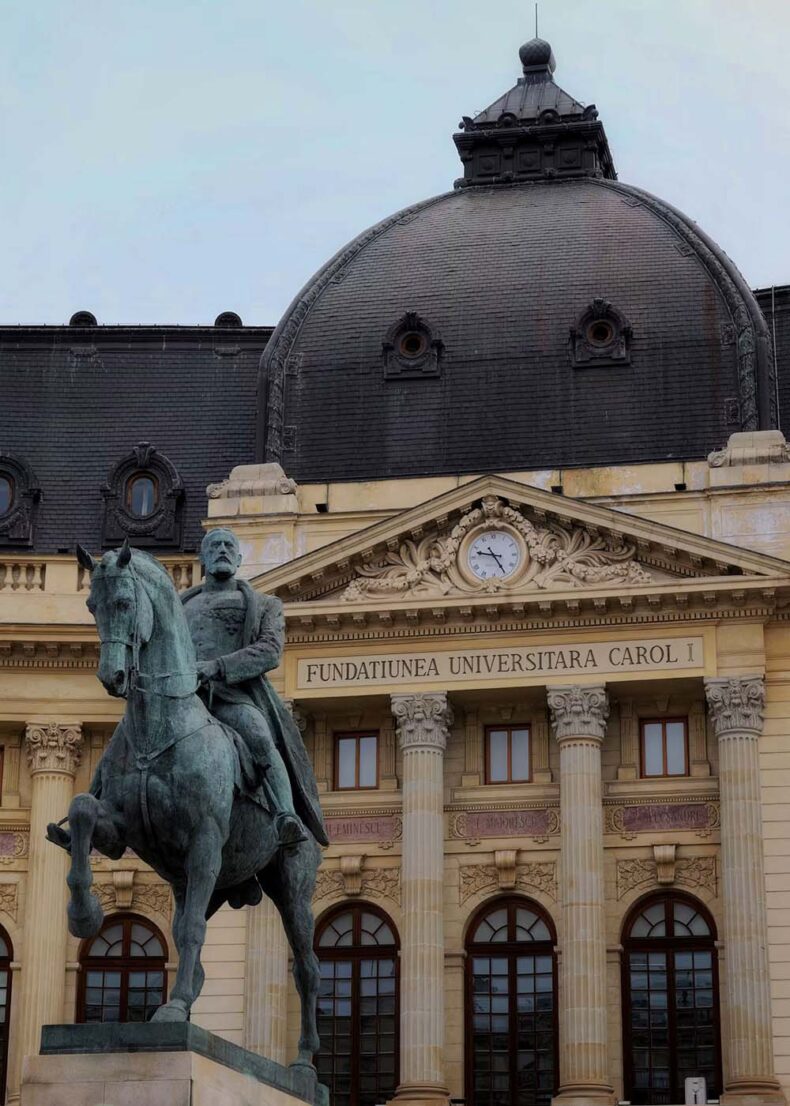
Photo source: Unsplash
Calea Victoriei: Bucharest’s grandest street
Start on Calea Victoriei, one of the best places to experience Bucharest’s Belle Époque architecture. This historic boulevard is an open-air architectural gallery, lined with grand palaces, landmark hotels, cultural institutions and cafés that tell the story of the city’s glamorous past.
Once a favourite address of Bucharest’s aristocracy and wealthy residents, Calea Victoriei became home to opulent residences, major banks, luxury hotels, fashionable boutiques and celebrated pastry shops. Its famous café culture lives on at places such as Casa Capșa, once a favourite meeting place for the city’s writers, politicians and elite.

Photo source: Tripadvisor
In front of the Central University Library, the Equestrian Statue of Carol I recalls the monarch whose reign helped transform Bucharest. Across the square stands the former Royal Palace, now home to the National Museum of Art of Romania and impressive historic interiors, including the Throne Room.
Continue along Calea Victoriei to discover the Cantacuzino Palace, home to the George Enescu National Museum and currently undergoing restoration. Its Beaux-Arts grandeur, neo-Rococo details and striking Art Nouveau entrance canopy offer a glimpse of the elegance that earned Bucharest its ‘Little Paris’ nickname.
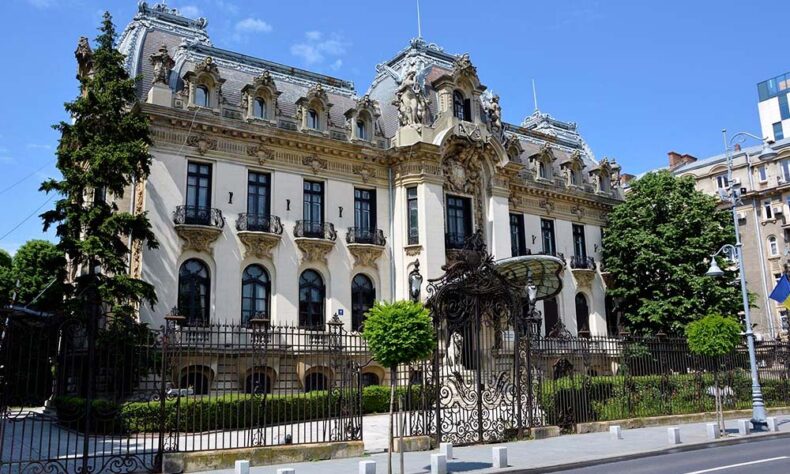
Photo source: Tripadvisor
Further south, the magnificent CEC Palace catches the eye with its French Eclectic architecture, designed by Paul Gottereau. Opposite stands the former Post Office Palace, now the National History Museum. Nearby, the National Bank of Romania is another late 19th-century architectural landmark, designed in the Eclectic style by French architects Albert Galleron and Cassien Bernard.
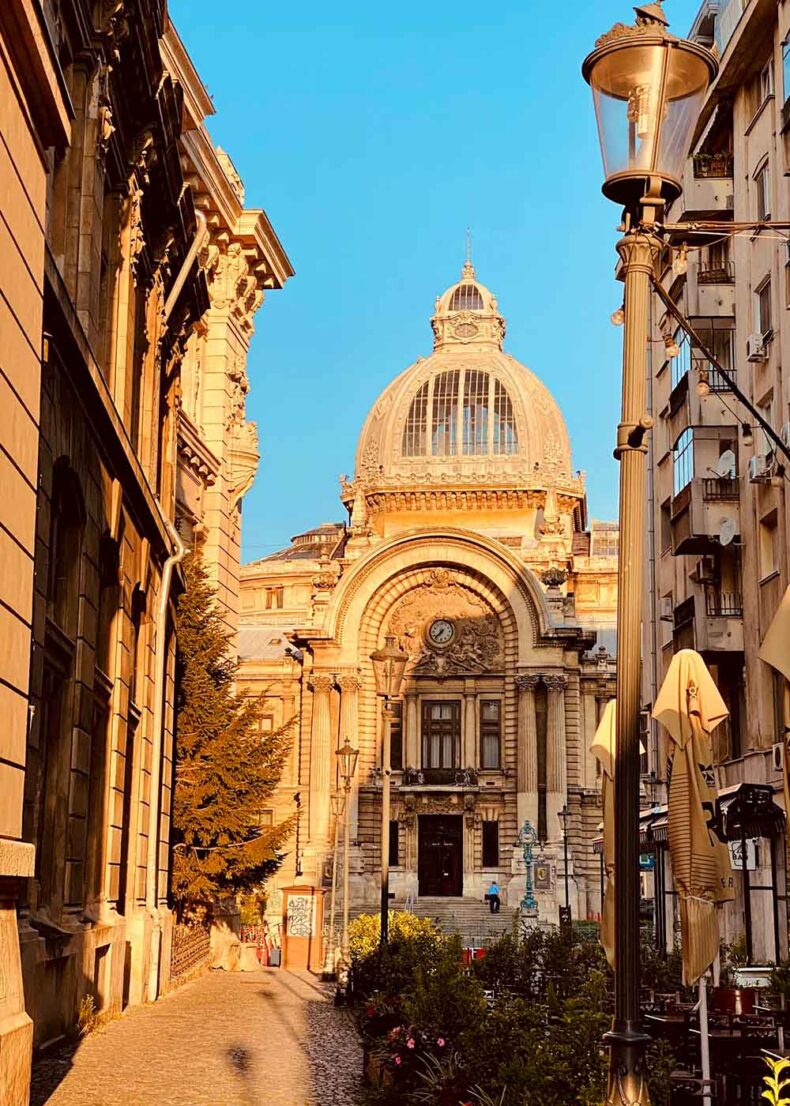
Photo source: Unsplash
A short walk away, the domed Romanian Athenaeum, inaugurated in 1888, is one of Bucharest’s most recognisable landmarks and the heart of Romania’s classical music tradition. Designed by Galleron, it becomes especially atmospheric during the celebrated George Enescu Festival.
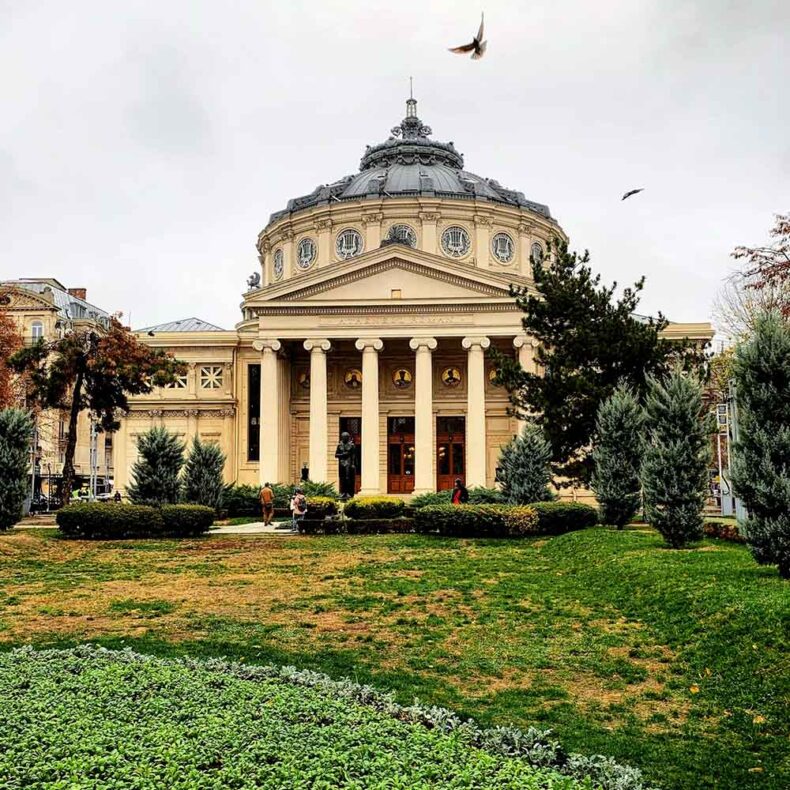
Photo source: Unsplash
Nearby, the historic Athénée Palace, dating from 1914, adds another layer to the neighbourhood’s story. One of Bucharest’s best-known hotels, it became famous as a meeting place for diplomats, journalists and spies in the years surrounding the Second World War.
Beyond the boulevard: Bucharest’s villas and hidden corners
Leave the grand boulevards behind and another side of Bucharest begins to emerge. In the leafy Icoanei neighbourhood, elegant late 19th- and early 20th-century villas sit alongside green spaces such as Grădina Icoanei and Ioanid Park, making this an inviting area to explore on foot.
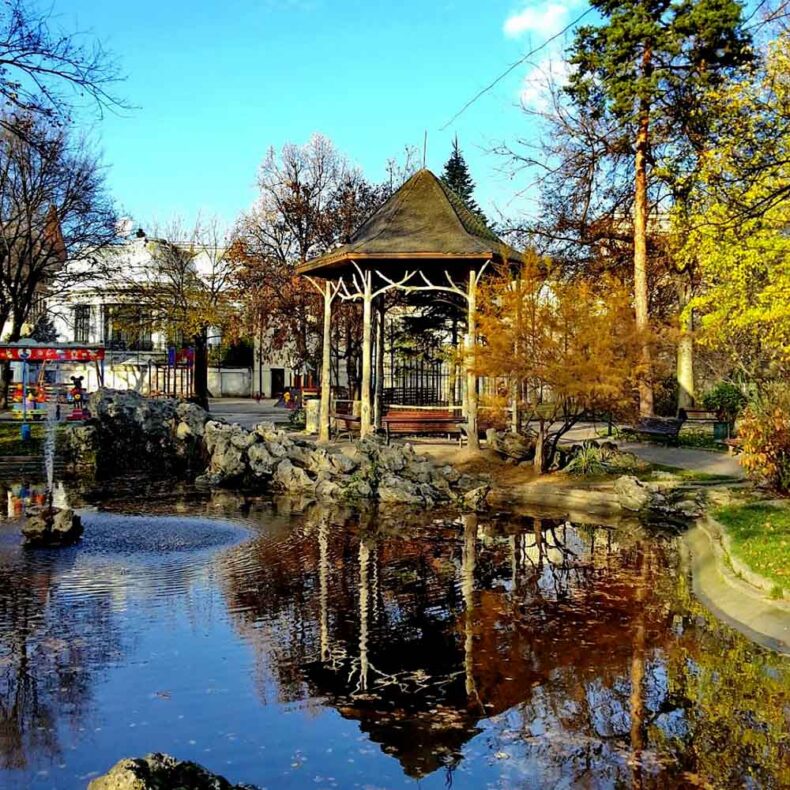
Photo source: Tripadvisor
Nearby, Dumbrava Roșie is lined with refined historic buildings, while Bulevardul Dacia reveals stately embassies and eclectic villas designed by notable architects of the era. Continue north towards Dorobanți and Primăverii, where prestigious streets such as Strada Paris and Aleea Alexandru are home to elegant residences, embassies and luxury fashion houses.
For travellers who want to go beyond the façades, a guided walk can reveal the characters and stories behind Bucharest’s architectural heritage.
Interesting Times Bureau, led by Anita Sterea, offers engaging tours for international visitors as well as locals keen to rediscover their own city.
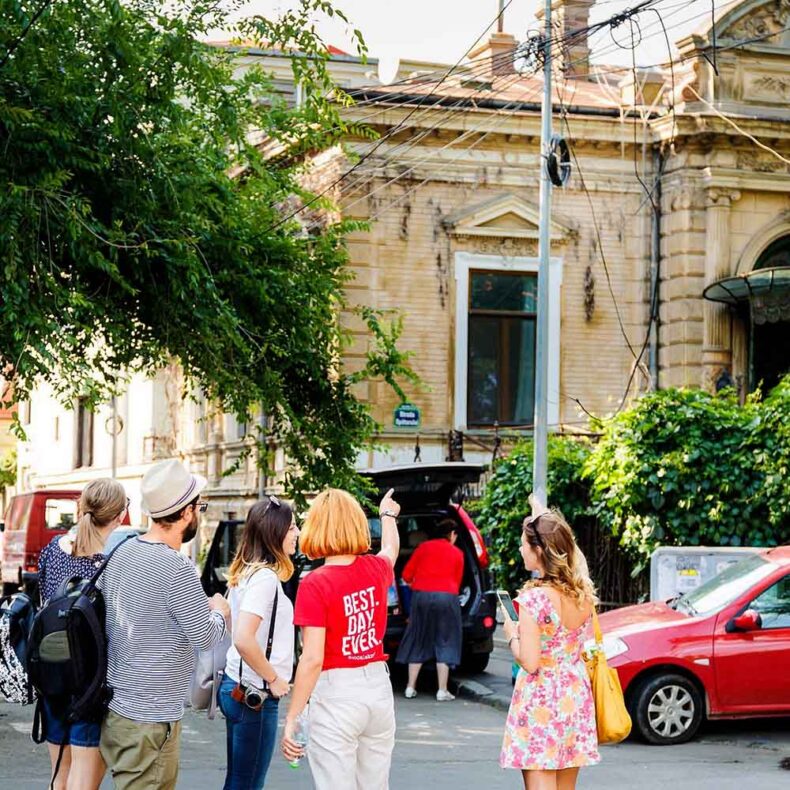
Photo source: Tripadvisor
Fundaţia Calea Victoriei provides another way to delve deeper into Bucharest’s cultural heritage. Through guided walks, courses and projects involving local cultural figures, the organisation brings the capital’s art, architecture and history to life.
Together, these grand boulevards, hidden villas, leafy neighbourhoods and local stories reveal a Bucharest best discovered slowly and on foot. Wander a little further and traces of ‘Little Paris’ appear around unexpected corners, making the Romanian capital an enticing choice for your next European city break.
Ready to see it for yourself? Discover flights to Bucharest and start planning your city break.
Bucharest after hours: gardens, festivals and culture
There’s another side to Bucharest that emerges when the weather warms up.
From garden bars hidden behind historic villas to car-free boulevards, neighbourhood festivals and late-night museum events, the Romanian capital knows how to make the most of its streets and architectural heritage.
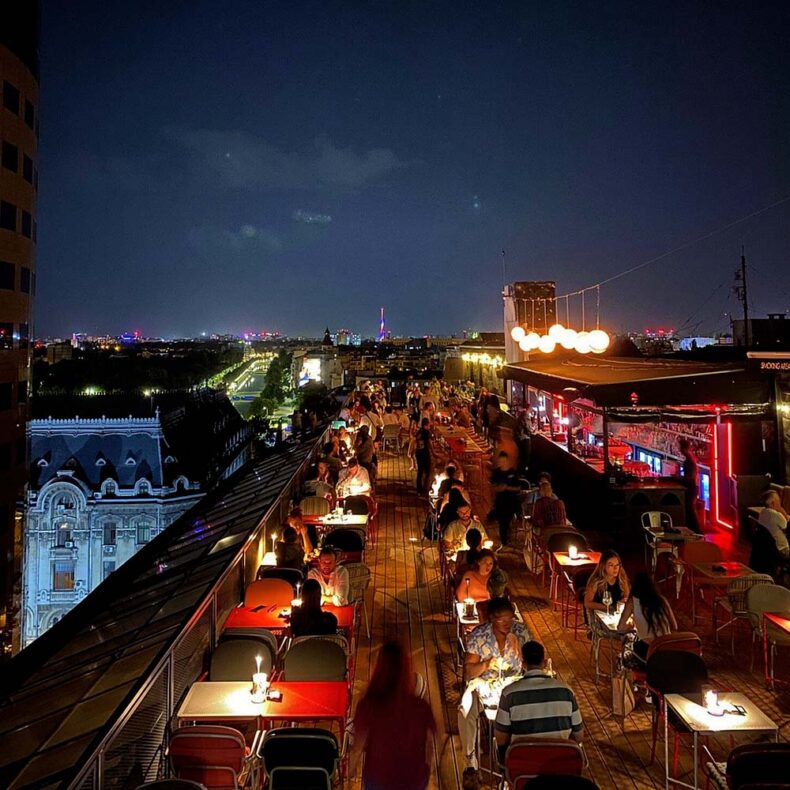
Photo source: Tripadvisor
Where to find Bucharest’s best garden bars
When the sun comes out, Bucharest’s garden bars become some of the city’s most inviting places to spend an afternoon or evening. Often tucked behind historic mansions and villas, these leafy hideaways combine the capital’s architectural past with its contemporary social scene.
Grădina Monteoru is one of the best-known examples. Set in the grounds of the elegant Casa Monteoru – also used as a filming location for the Netflix series Wednesday – the urban garden has become a lively meeting place.
Look out for the grand statues at the entrance, where seasonal fairs are also held in spring and autumn.

Photo source: Tripadvisor
Near Rosetti Square, Sera Eden offers a different atmosphere. Hidden behind a historic villa, this garden café is part greenhouse, part botanical retreat – an unexpected green escape in the middle of the city.
Bucharest beyond the tourist trail
For a slower pace, head to Cotroceni, a leafy neighbourhood that recalls the elegance of Bucharest in the 1920s and 1930s. Its tree-lined streets reveal an eclectic mix of Art Deco, Neo-Romanian and Modernist villas, making the district particularly rewarding to explore on foot.
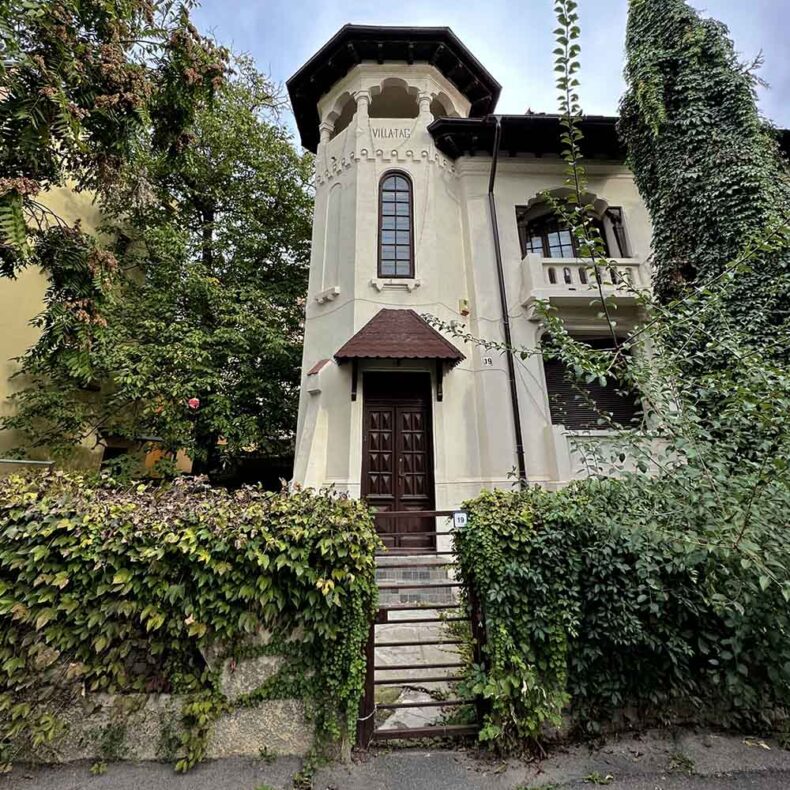
Photo source: Visit Bucharest
Twice a year, usually in May and October, Bazar de Cotroceni brings an extra burst of energy to the neighbourhood. Part street festival and part giant community yard sale, the event fills the area with vintage finds, local makers, live jazz and street performances – an inviting way to experience one of Bucharest’s most characterful residential districts.
When Bucharest stays up late
Bucharest’s historic buildings also provide the backdrop for some of the city’s liveliest cultural events. During the popular Night of the Museums, museums and century-old houses stay open into the evening, with some buildings that are normally closed to visitors opening their doors for the occasion.
In the heart of the Old Town, the Little Paris Museum offers a journey back to Bucharest’s golden era. Set inside a bourgeois house where French and Oriental-Ottoman influences meet, its collection of more than 1,000 objects ranges from antique porcelain and silverware to period gowns and accessories. Visitors can even dress up for a retro-inspired photograph.
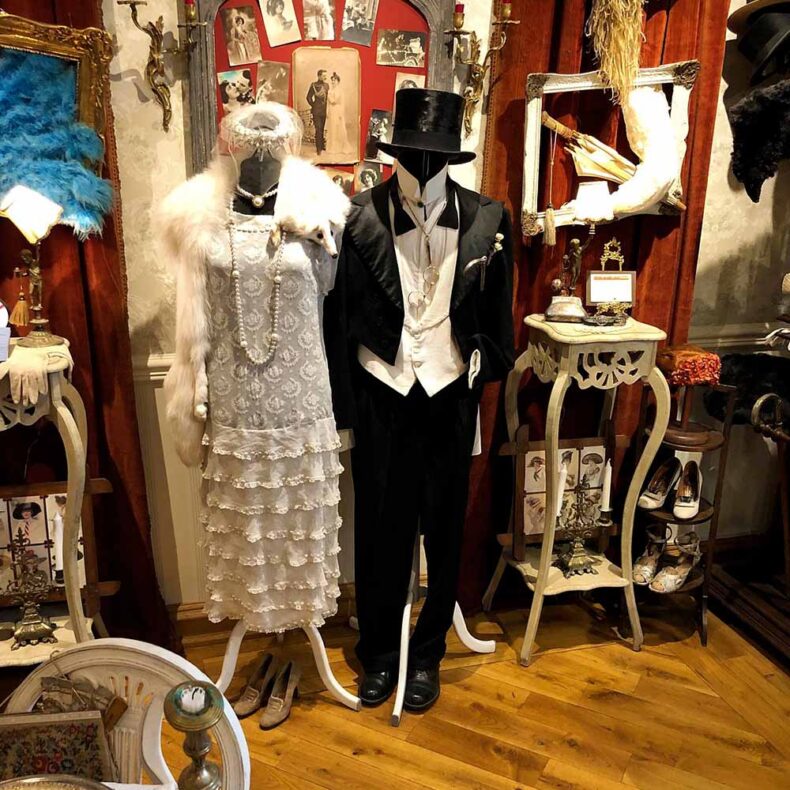
Photo source: Tripadvisor
Weekend Sessions brings a similarly bohemian atmosphere to the gardens of historic Bucharest houses and museums. Venues such as the Filipescu-Cesianu House host jazz, poetry, film screenings and theatre in leafy courtyards, offering another reason to linger after a day of sightseeing.
From open boulevards and hidden gardens to jazz-filled courtyards and elegant residential streets, Bucharest is a city that rewards stepping beyond the usual attractions. Time your visit for the warmer months and you may find that some of the capital’s most memorable experiences happen outdoors.
The new generation reviving old Bucharest
Bucharest’s architectural revival isn’t only about restoring beautiful buildings. A new generation of cultural organisations, storytellers and creative entrepreneurs is finding fresh ways to bring the city’s heritage into everyday life – from opening historic houses to the public to transforming forgotten landmarks into places to meet, shop and celebrate.
See Bucharest through local eyes
One of the most visible signs of this cultural renaissance can be found online. A growing community of photographers and storytellers is using social media to uncover the histories behind Bucharest’s façades and introduce a wider audience to neighbourhoods shaped by the Belle Époque.
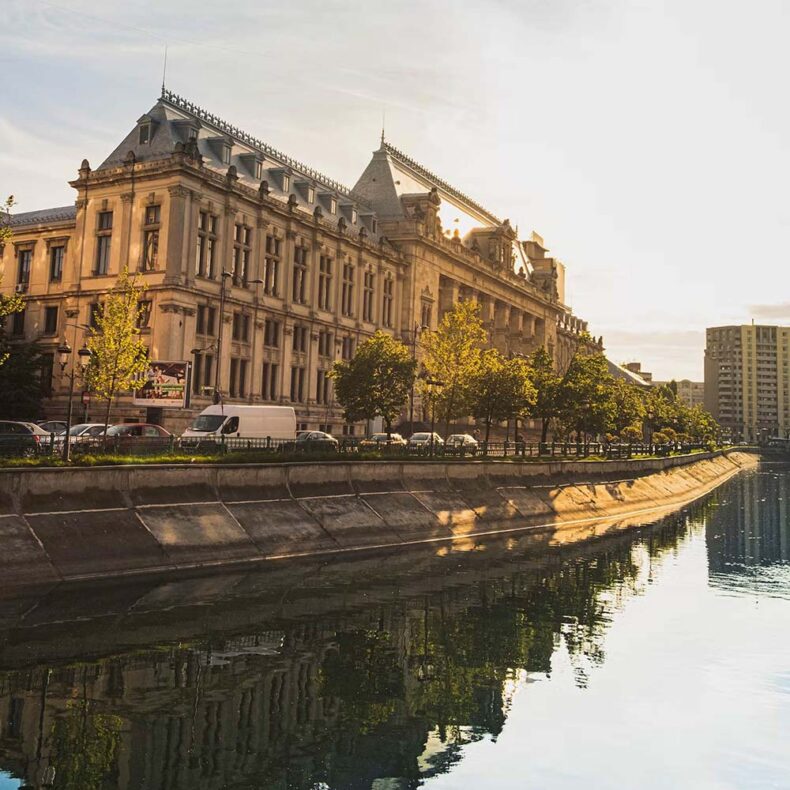
Photo source: Unsplash
Visual storyteller Bogdan Buzuleac (IG@bogdan.buzuleac), for example, turns walks through the city into cinematic glimpses of Bucharest, with the leafy streets and elegant villas of Cotroceni frequently appearing in his popular Reels.
Buzuleac is also an ambassador for Cronicari Digitali (IG@cronicaridigitali), or ‘Digital Chroniclers’, a project dedicated to promoting Romania’s cultural heritage.
Through festivals, masterclasses, podcasts and special gatherings, the initiative gives people opportunities to experience historic landmarks – including some that are not normally open to the public.
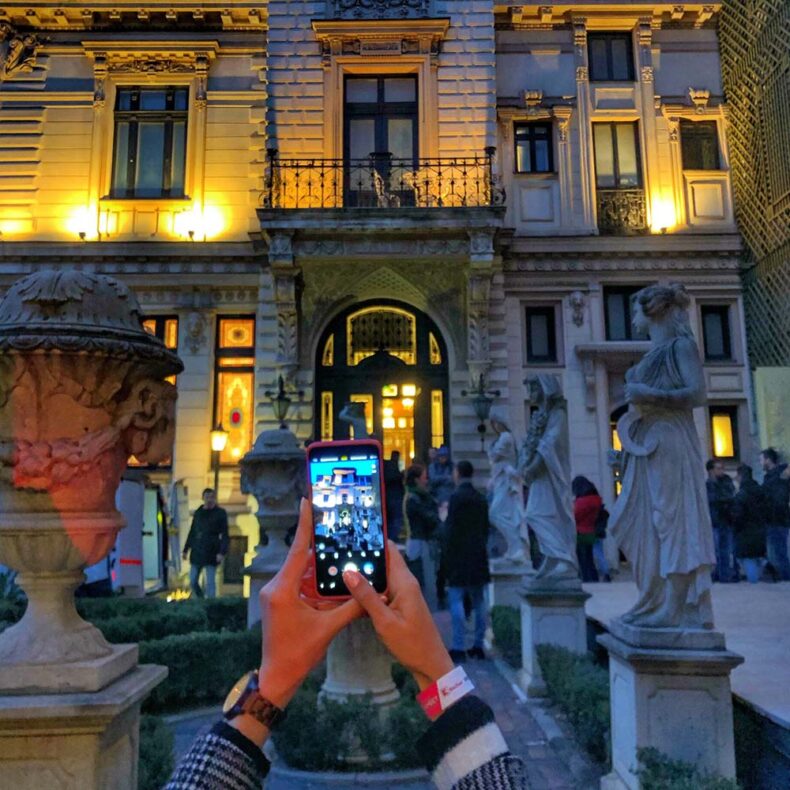
Photo source: Cronicari Digitali
Ana Rubeli and the #Aiciastat association (IG@aiciastat) are similarly helping Bucharest residents and visitors see familiar streets differently.
Through stories and cultural events, the project reveals the people and histories behind buildings that might otherwise be passed without a second glance.
Together, these initiatives are helping to create something bigger: a renewed sense of curiosity about Bucharest and a growing desire to protect the places that give the city its character.
Step inside a Bucharest icon reborn
Few places capture this renaissance better than Casa Miţa Biciclista. After decades of neglect, the striking historic villa near Piaţa Amzei has been brought back to life as one of Bucharest’s most intriguing cultural and social destinations.

Photo source: Tripadvisor
Its story is as colourful as its architecture. Maria Mihăescu – better known as Miţa Biciclista, or ‘Miţa the Cyclist’ – became a celebrated figure in early 20th-century Bucharest, remembered for cycling through the city in daring outfits and attracting attention with her independent spirit and unconventional style.
Her ornate 1908 villa recalls the glamour of interwar Bucharest and the world of elegant soirées, artists, diplomats and society figures that surrounded her story.
Following its restoration, Casa Miţa Biciclista has once again become a place to gather. Exhibitions, architectural tours, masked balls, live jazz and special events bring its elaborate interiors back to life, allowing visitors to experience Bucharest’s history rather than simply admire it from the pavement.

Photo source: Tripadvisor
Shop, sip and experience the past differently
Bucharest’s fascination with its past is also shaping its contemporary lifestyle. Historic buildings are finding new lives as bookshops, cafés and boutiques, giving travellers plenty of opportunities to experience the city’s heritage between the traditional sights.
In the Old Town, Cărturești Carusel is one of the most striking examples. Housed in a beautifully restored 19th-century building, the elegant bookshop and bistro combines soaring interiors with books, design objects and souvenirs, making it a destination in its own right.

Photo source: Tripadvisor
Over in the leafy Icoanei neighbourhood, independent boutiques and cafés complement the elegant surroundings of Grădina Icoanei and Ioanid Park.
Aparterre brings contemporary Romanian fashion and design into the neighbourhood, while nearby Mingle combines coffee, vintage finds and the atmosphere of a historic house and terrace.
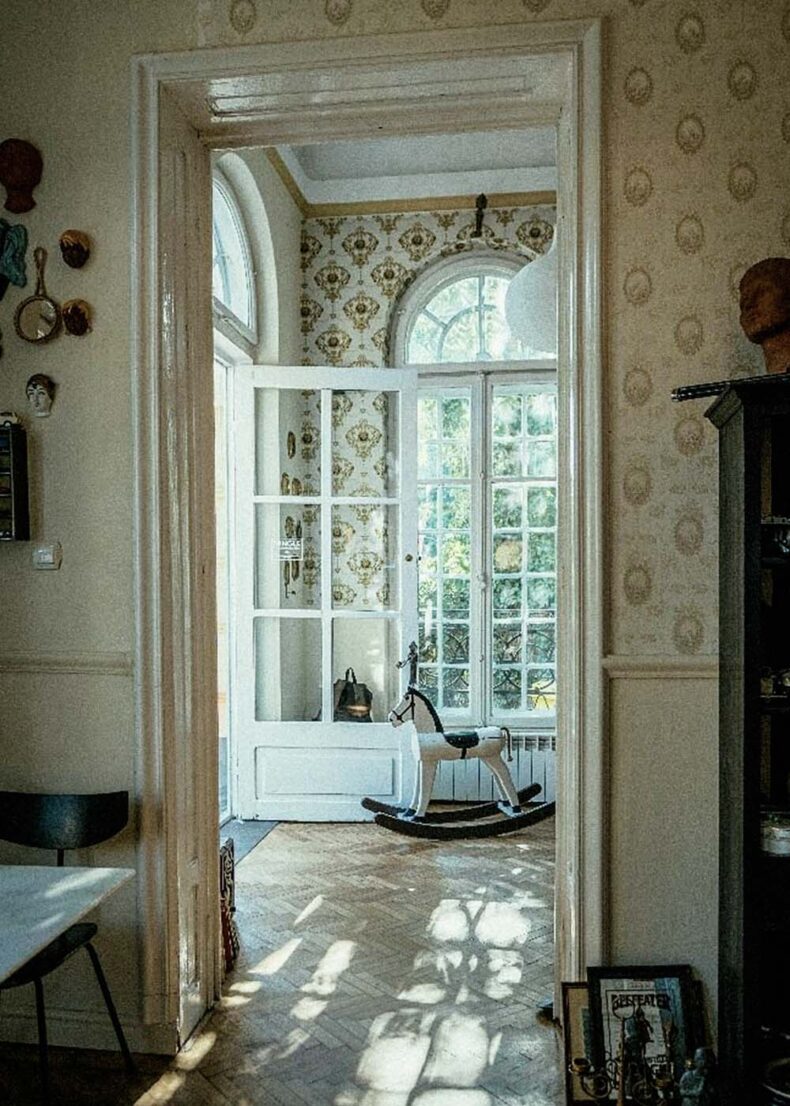
Photo source: Tripadvisor
It’s this meeting of old and new that makes Bucharest particularly compelling today. Historic villas are opening their doors, forgotten stories are finding new audiences and a new generation is giving the city’s heritage a contemporary purpose. Come for the architecture, but stay for the creative energy bringing it back to life.
Text by Monica Suma
Read more about authentic travel experiences in Baltic Outlook.