Everyone knows the feeling: your trip is almost over, your suitcase is nearly packed, and suddenly you remember that you still have not bought souvenirs for your family and friends. Maybe you promised someone a small gift. Maybe you want to bring something home for your parents, your children, your partner, or your best friend. Or maybe you simply want a little reminder of the place you visited.
Finding the right souvenir can feel like a small mission. You walk into one shop and see rows of magnets, mugs, keychains, T-shirts, and postcards. Then you walk into another shop and see almost the same things again. It becomes hard to know what is actually local, what is useful, and what someone would genuinely enjoy receiving.
But a good souvenir does not have to be complicated. It does not need to be expensive, oversized, or perfectly planned. It can be useful, funny, handmade, delicious, traditional, unusual, or simply something that reminds the person of your trip. The best souvenirs are the ones that feel personal – something that says, “I saw this and thought of you.”
Souvenirs are also a way to keep travelling even after you return home. A local spice can bring back the taste of a destination. A handmade cup can remind you of a quiet morning in a new city. A scarf, candle, notebook, or small piece of art can carry the feeling of a place long after the trip is over.
And if one journey is not enough to find the perfect gifts for everyone, there is always a simple solution: book another flight, visit a new destination, and start collecting even more stories, memories, and souvenirs along the way.
Who is it for?
Before buying a souvenir, think about the person who will receive it. What do they actually like? What would they use? What would make them smile? A souvenir should not feel like something bought only because you had to bring something back. It should feel like it was chosen with that person in mind.
It can be tempting to buy the first classic souvenir you see, especially when your trip is almost over and time is running out. But not everyone wants the same kind of gift. If your friend does not collect fridge magnets, then a magnet with the Eiffel Tower will probably end up forgotten in a drawer. If someone does not drink tea, even the most beautifully packed local tea may not be the best choice. If your colleague does not like sweets, a box of local chocolates may be better shared with the office than given as a personal gift.
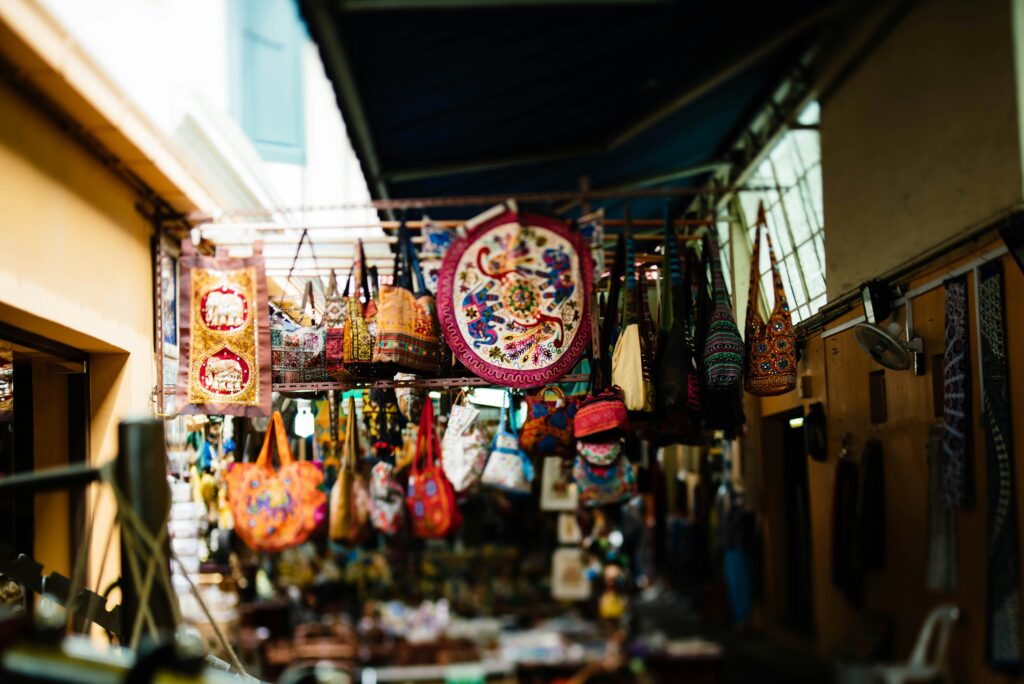
Instead, try to match the souvenir to the person. If your family member loves cooking, local spices, oils, sauces, sweets, or a small cookbook may be a better choice. If your friend likes design, look for ceramics, art prints, textiles, candles, or handmade jewellery. If someone prefers practical gifts, a tote bag, scarf, notebook, locally made soap, or small home item could be more useful.
For children, think about something fun and easy to carry, such as a small toy, book, aircraft model, soft toy, or colourful local item. For someone who travels often, a luggage tag, travel pouch, reusable bottle, or compact accessory may be more appreciated than a decorative souvenir. For someone who enjoys collecting memories, a postcard with a handwritten message can be more meaningful than something expensive.
The best souvenir is not always the biggest or most impressive one. It is the one that feels like it was chosen for that specific person.

Know the rules
Some souvenirs are easier to bring home than others. Before buying anything unusual, check whether it can be taken out of the country you are visiting and brought into your destination country.
This is especially important for items made from natural materials, such as wood, shells, coral, plants, seeds, leather, feathers, stones, or animal products. Even if something looks small and harmless, there may still be restrictions depending on the material, origin, or local protection rules. Some natural souvenirs may also be linked to protected species or fragile ecosystems, so it is better to be careful.
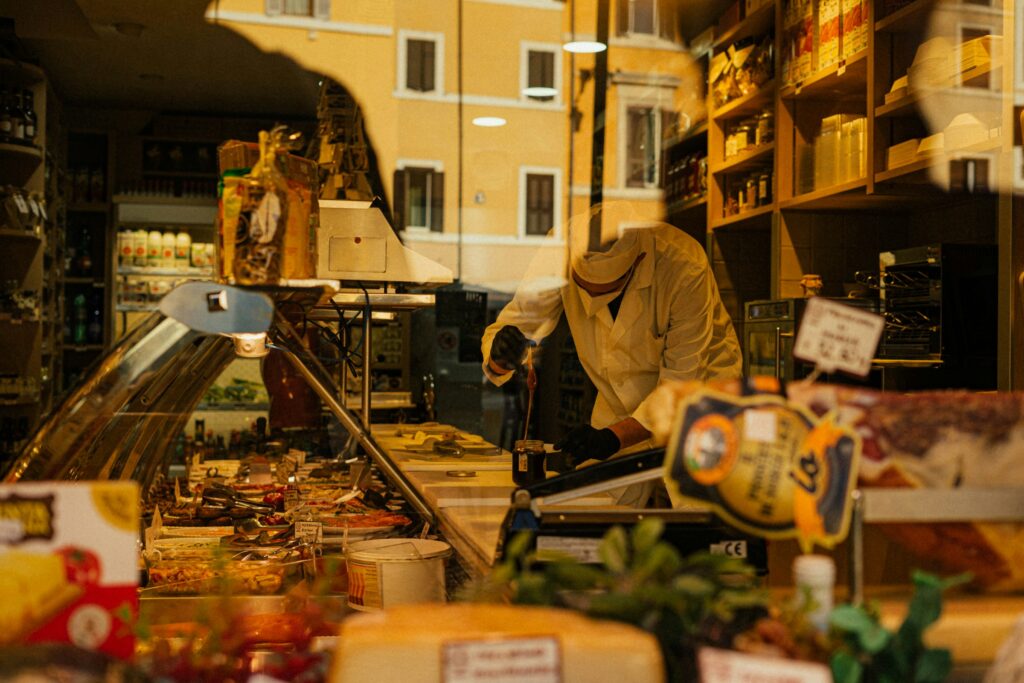
Food and drinks can also come with restrictions. Fresh fruit, meat, dairy, honey, homemade products, alcohol, and liquids may cause issues at airports or borders. If you are travelling with hand baggage only, remember that liquid restrictions can also apply to sauces, oils, lotions, perfumes, jams, spreads, and drinks.
It is also worth thinking about the practical side of travelling. Is the item fragile? Will it fit in your suitcase? Can it survive the flight? Will it leak, melt, break, or leave a strong smell in your bag? A beautiful bottle of local oil or perfume may be a lovely gift, but only if it is packed properly and allowed in your luggage.
A beautiful souvenir is much less useful if it gets taken away before you reach home. So before making a purchase, take a moment to check the rules. It can save you money, time, and disappointment.
Look beyond touristy souvenir shops
Touristy souvenir shops can be convenient, especially when you are in a rush. They are easy to find, usually close to famous sights, and often have a wide selection of small gifts. There is nothing wrong with buying something from them if you find an item you genuinely like.
However, they are not always where the most interesting souvenirs are hiding. Many tourist shops sell the same mass-produced items, and some of them may not even be made in the country you are visiting. The magnet, mug, or T-shirt may show the name of the city, but that does not always mean it has a real connection to the destination.
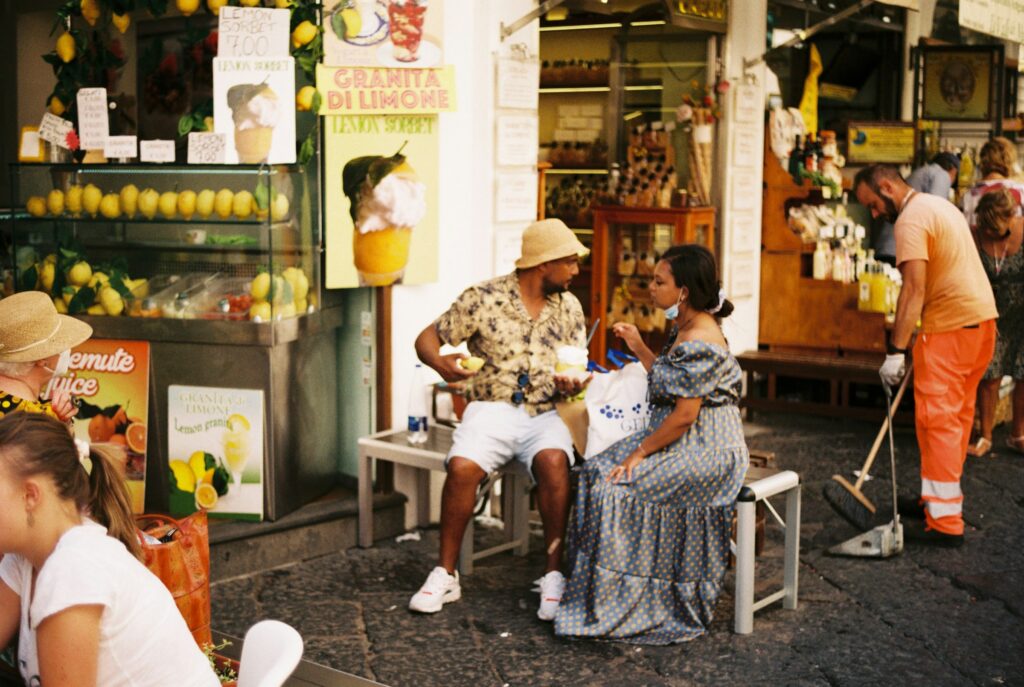
Try exploring local markets, independent shops, small design stores, craft fairs, galleries, bakeries, bookstores, concept stores, or neighbourhood boutiques. Sometimes the best souvenirs are found a few streets away from the main square, where the prices may be better and the items feel more authentic.
Local markets are especially good places to look. You may find fresh products, handmade goods, regional snacks, ceramics, textiles, flowers, spices, or small gifts made by local sellers. Even if you do not buy anything immediately, walking through a market gives you a better feeling for the destination.
Exploring these places is also part of the travel experience. You get to see what locals buy, taste regional products, talk to sellers, and discover something that feels more connected to the place you visited.
Buy a handicraft
Handmade souvenirs are always a good idea. They often show local colours, materials, traditions, patterns, and techniques in a way that mass-produced items cannot. A handmade item usually has small details that make it feel more personal and memorable.
Depending on where you travel, this could be ceramics, woven textiles, jewellery, wooden items, glassware, candles, leather goods, embroidery, art prints, traditional decorations, or locally made clothing. In one destination, the best souvenir may be a painted ceramic bowl. In another, it may be a woven basket, linen towel, handmade necklace, or carved wooden ornament.
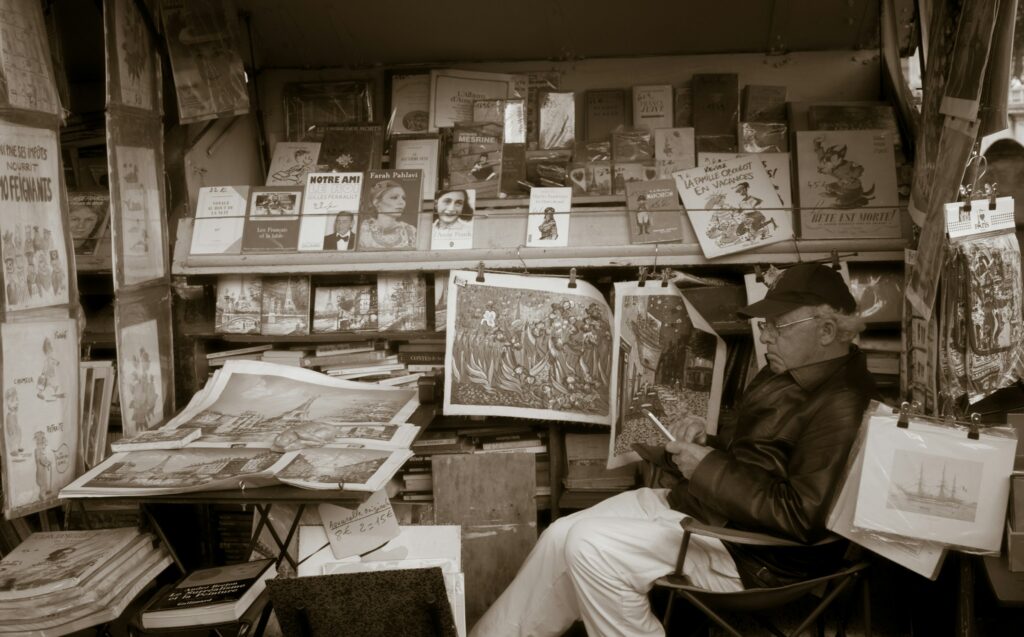
Buying handicrafts also supports local makers, artists, and small businesses. Instead of spending money on something generic, you are helping someone continue their craft. That makes the souvenir more meaningful both for the person receiving it and for the place you visited.
A handmade souvenir does not have to be large. Even a small ceramic cup, woven bracelet, hand-poured candle, embroidered bookmark, or printed postcard can feel special when it has a real connection to the destination.
When buying handicrafts, you can also ask the seller about the item. Who made it? What material was used? Is there a traditional meaning behind the pattern, colour, or shape? These small stories make the souvenir even better, because you are not only bringing home an object – you are bringing home a piece of local culture.
Choose something useful
Figurines may look nice, but they often end up forgotten on a shelf. A useful souvenir has a much better chance of becoming part of everyday life.
Think of things someone can actually wear, eat, use, or keep nearby. This could be a hand-sewn bag, handmade jewellery, a scarf, a notebook, a kitchen towel, local soap, a candle, authentic dishes, glasses, spices, oils, tea, coffee, sweets, or skincare products.
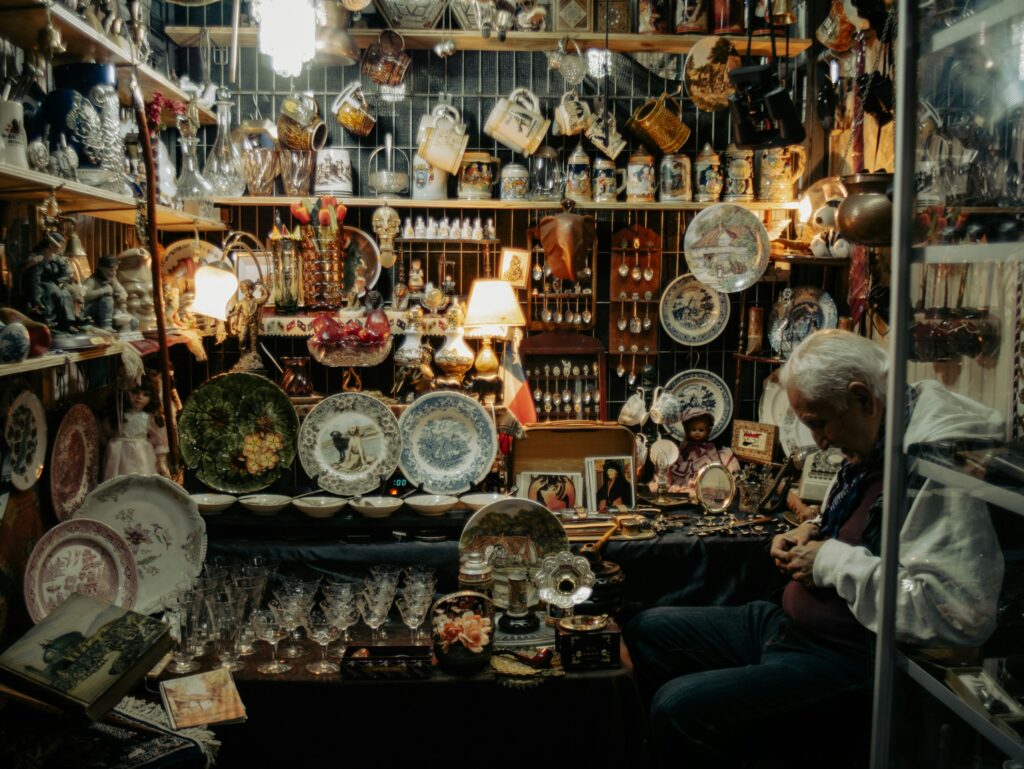
Useful does not mean boring. A practical souvenir can still be beautiful, local, and personal. A ceramic bowl from a small studio, a scarf from a local designer, or coffee from a neighbourhood roastery can be much more memorable than a random decoration. A notebook from a local stationery shop, a linen towel from a regional maker, or a handmade candle with a local scent can be both useful and full of character.
Practical souvenirs are also easier to give when you are not completely sure about someone’s taste. A good tea, chocolate, candle, soap, or kitchen item is often safer than a large decorative object that may not fit their home.
The best kind of souvenir is the one someone actually uses – and remembers your trip every time they do.
Make something yourself
If you can make a souvenir yourself, do it. A handmade gift shows that you took extra time and thought, not just a few rushed minutes at the airport.
It could be a postcard with a personal message, a small photo album, a sketch, a pressed flower, a travel journal page, or something created during a local workshop. Many destinations offer workshops for pottery, cooking, perfume-making, jewellery, painting, candle-making, textile printing, or traditional crafts.
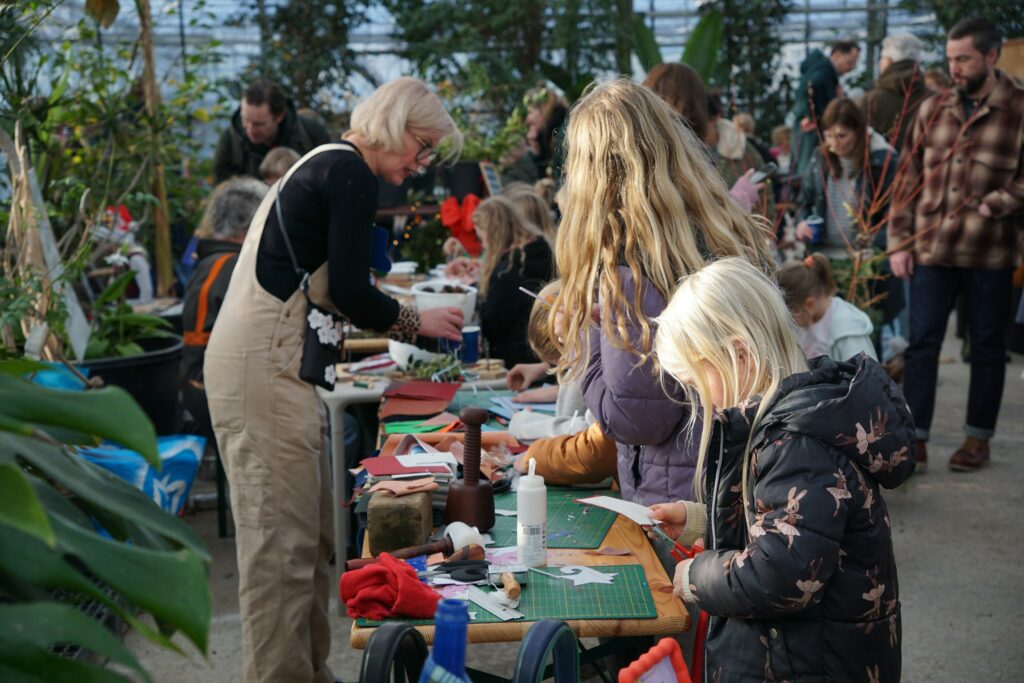
You can also combine your handmade gift with local details, such as colours, materials, scents, recipes, or patterns from the destination. For example, you could create a small photo card using a picture from your trip, add a local dried flower, or write down a memory from the place you visited. You could also collect small paper items such as museum tickets, maps, café cards, or transport passes and turn them into a simple travel memory card.
These types of souvenirs are especially meaningful for close friends and family. They show that the gift was not just bought, but created with someone in mind.
A handmade souvenir does not need to be perfect. In fact, that is often what makes it special. It carries your time, your effort, and your personal memory of the trip.
Bring home a local specialty
Food and drink are classic souvenirs for a reason. They are easy to share and give your friends or family a small taste of the place you visited.
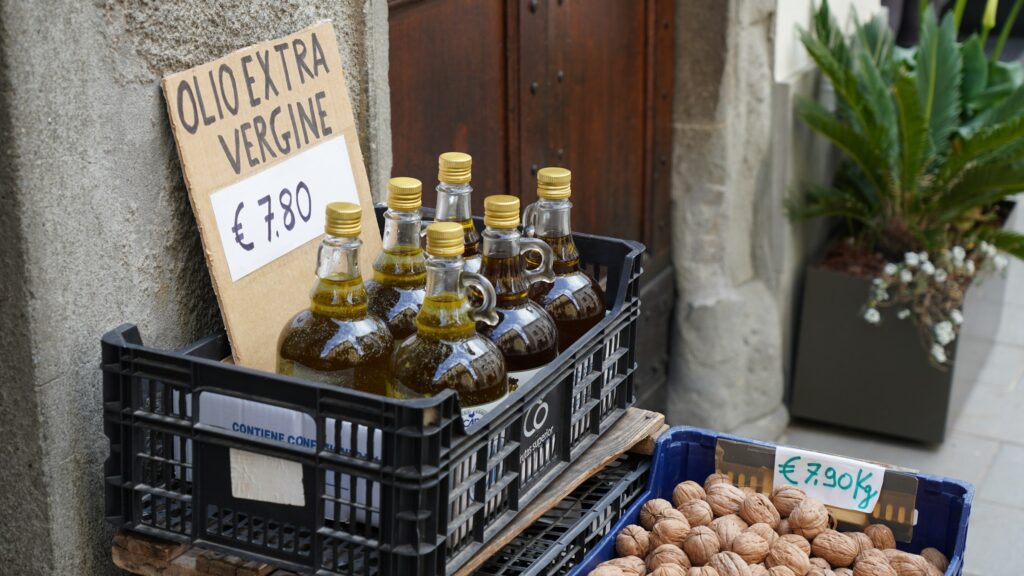
Look for local chocolate, tea, coffee, spices, jam, honey, biscuits, olive oil, sweets, sauces, or regional drinks. These souvenirs are especially good when you are buying for someone who enjoys cooking, tasting new flavours, or discovering different cultures through food.

A local specialty can also tell a story about the destination. Maybe the city is known for a certain pastry. Maybe the region is famous for olive oil, cheese, coffee, herbs, chocolate, or wine. Maybe there is a sweet or spice that locals use during holidays. These small food gifts help people experience the place through taste, even if they did not travel with you.
If the destination is known for something fresh that cannot be transported, such as fruit, herbs, or flowers, look for products inspired by it. For example, you may find jam, tea, lotion, candles, scents, cooking spices, sweets, or skincare products based on the same local ingredient.
Just remember to check the rules before bringing food, beverages, liquids, or natural products across borders. A local specialty should make it all the way home – not stay behind at airport security.
Don’t forget airBaltic souvenirs
Souvenirs do not always have to come only from the destination itself. Sometimes the journey is part of the memory too.
If you are an aviation fan, travelling with one, or looking for a gift connected to the flight experience, airBaltic souvenirs can be a fun choice. They are also a good option for children, plane lovers, frequent travellers, or anyone who enjoys collecting something a little different from each trip.

From branded items to aircraft-inspired gifts, airBaltic souvenirs can help you bring home a small piece of the journey itself. They can also be a nice reminder of where the adventure started – up in the sky, on the way to somewhere new.
An aviation-themed souvenir can be especially fun after a memorable trip: a child’s first flight, a long-awaited holiday, a visit to family, a weekend city break, or a journey to a destination you have wanted to see for years. Sometimes the flight is not just transport. It becomes part of the story.
After all, sometimes the journey is just as memorable as the destination.
Book your next flight and find your next souvenir
The perfect souvenir is not always found in the first shop you visit. Sometimes you discover it in a quiet market, a tiny local store, a family-run workshop, a food shop, a craft studio, or even during the flight home.
So leave a little space in your suitcase, keep your eyes open, and do not leave souvenir shopping until the very last minute. The best finds often appear when you are simply exploring, tasting, walking, and enjoying the destination.
Whether you are searching for handmade crafts, local flavours, practical gifts, aviation-inspired items, or something completely unexpected, every trip gives you a new chance to bring home something worth remembering.
Maybe your next perfect souvenir is waiting in a market in Tallinn, a design shop in Copenhagen, a bakery in Paris, a craft studio in Tbilisi, a seaside town in Greece, or an airBaltic flight on the way home.
Book your next flight with airBaltic and start collecting stories, memories, and souvenirs from every destination.