While the beaches and resorts of southern Tenerife are popular for year-round sunshine, the north offers a different side of the Canary Islands’ largest island. Think vineyards on volcanic slopes, mist-covered laurel forests, mountain villages, historic towns, and dramatic black-rock coastlines. It is an inviting choice for travellers who want to combine nature, culture, and local food.
Exploring northern Tenerife is particularly rewarding by car, as some of its most memorable viewpoints and villages are reached by winding mountain roads. Allow extra time for bends, changing weather, and unplanned stops. Conditions can vary considerably between the coast, forested highlands, and Teide National Park.
Getting to Tenerife is easy with airBaltic. Enjoy direct flights from Riga, Tallinn, and Vilnius, as well as convenient connecting flights from Helsinki, Stockholm, Copenhagen, and other European cities. Flights arrive at Tenerife South Airport, making it easy to start exploring the island’s sunny beaches, volcanic landscapes, and charming towns. Find the best fares and book your flights to Tenerife with airBaltic.
Black-sand coastlines and the 500 Steps viewpoint
Tenerife’s volcanic origins are visible along the northern coast, where dark beaches sit beneath steep cliffs and Atlantic waves break against black rocks. Mirador Los 500 Escalones, the 500 Steps viewpoint, offers a striking introduction to this landscape. A long stairway leads towards a narrow stretch of black sand, with coastal cliffs and colourful Canarian houses visible in the distance.
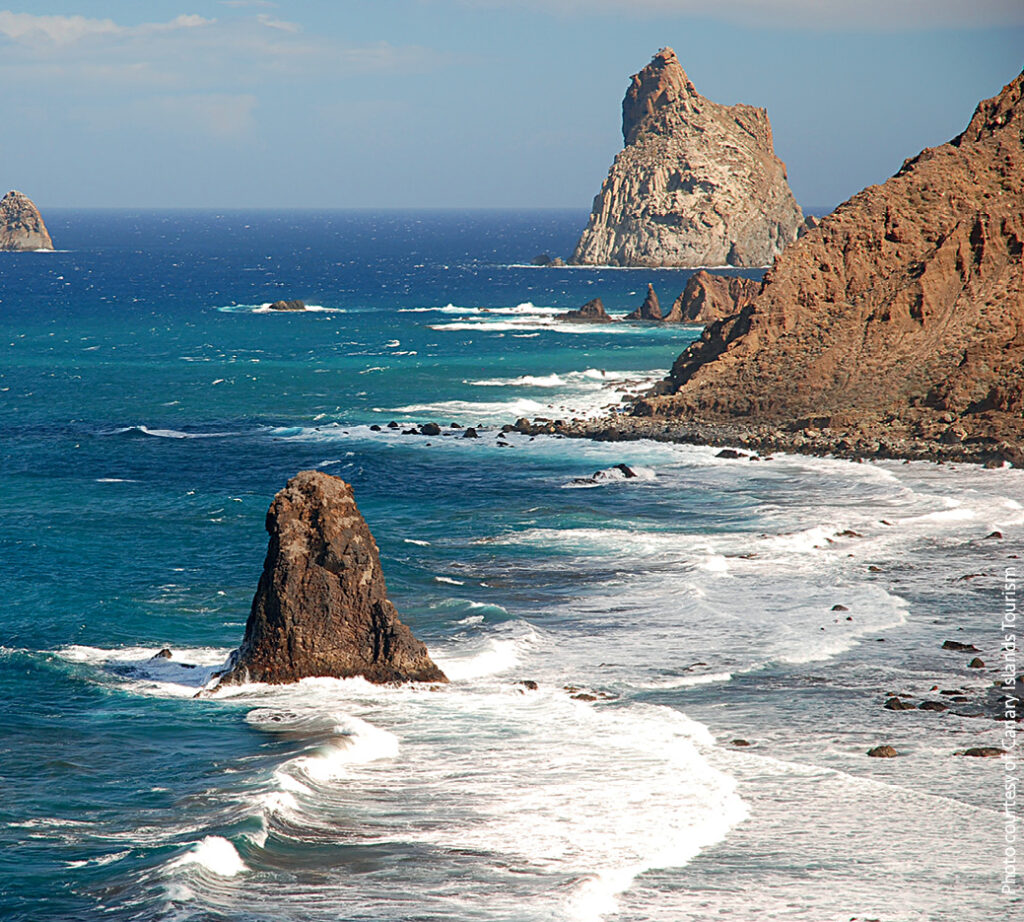
The descent offers close-up views of the island’s vegetation and wildlife, including lizards basking on rocks. Remember that the return involves climbing approximately 500 steps, and the coast can be exposed to strong surf. Check local access and sea conditions before setting off.
Taste Tenerife’s volcanic wines at Bodegas Monje
Wine has been part of Tenerife’s culture for centuries. The island’s steep slopes, volcanic soils, and varied elevations create distinctive growing conditions, and much of its wine is enjoyed locally rather than exported. Tenerife’s vineyards historically escaped the phylloxera devastation that affected much of Europe, although the pest was first detected on the island in 2025.
Bodegas Monje, set among green vineyards with views towards Mount Teide and the sea, introduces visitors to this winemaking tradition. Winery tours explain how altitude influences ripening, why some grapes are harvested by hand on steep slopes, and how producers manage the conditions in their cellars.
A tasting is an opportunity to discover local varieties such as Listán Negro, often accompanied by regional cheese. Book ahead if you would like a guided visit or tasting, and consider arranging a designated driver.
Walk through the laurel forests of Anaga Rural Park
In Tenerife’s north-east, Anaga Rural Park is known for cloud-covered mountains, deep valleys, and ancient laurel forests. These atmospheric woodlands are remnants of the forests that once covered parts of southern Europe. Similar habitats survive in other Atlantic islands, including La Gomera and Madeira.
Cruz del Carmen is a useful starting point for exploring the park. From here, walking routes lead beneath branches draped in lichen, where mist filters through the canopy and birdsong carries through the trees. The Sendero de los Sentidos, or Trail of the Senses, encourages visitors to slow down and notice the forest’s sounds, textures, and scents.
Other trails open onto views of mountain ridges and valleys stretching towards the north coast. Weather can change quickly at higher elevations, so take comfortable walking shoes, a light waterproof layer, and water. Parking at popular trailheads may be limited.
Explore Taborno and the Anaga mountain villages
Beyond the forest, Anaga’s narrow roads reveal small villages perched between dramatic valleys. Taborno sits on a ridge near Roque de Taborno, a rounded rock formation that dominates the surrounding landscape. It is a memorable place for mountain views and walks across rugged terrain.
The village name reflects the island’s Indigenous Guanche heritage. Before the Castilian conquest ended in 1496, Tenerife was divided into nine territories known as menceyatos. Some of the area’s historic paths follow routes once used by herders moving livestock between different elevations.
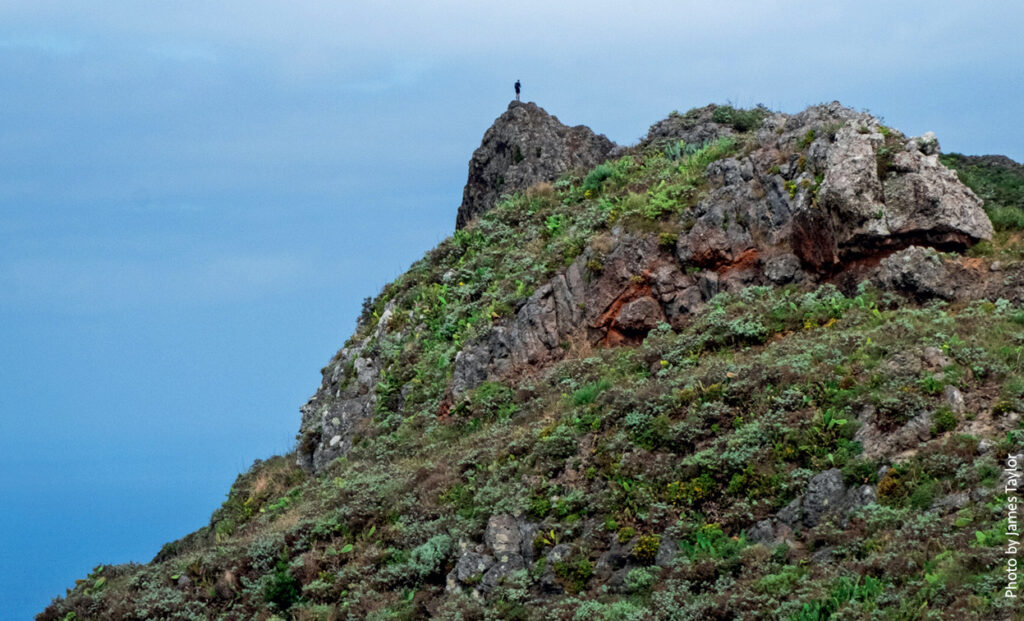
Walking routes around Taborno can involve exposed ridges, uneven rocks, and steep slopes. Choose a route suited to your ability and check the conditions before going. Afterwards, the village offers an opportunity to stop for a meal and enjoy the mountain setting. The restaurant Historias para no Dormir is one local option mentioned in the original travel account.
Discover Santa Cruz de Tenerife
Santa Cruz de Tenerife, the island’s capital, offers an enjoyable contrast to the mountain scenery. Its pedestrian streets, public squares, shops, and cafés make it easy to explore on foot. Palms and broad-canopied laureles de Indias provide welcome shade around the city centre.
Santa Cruz also tells an important part of Tenerife’s Atlantic trading story. For centuries, ships stopped here to take on provisions before crossing the ocean. Wine travelled west, while people, goods, and plants arrived from overseas. Some of the city’s trees, brought from Cuba in the 19th century, are a visible reminder of these connections.
Set aside time to wander through the central streets and squares, especially if you are combining the capital with a drive through Anaga.
Stroll through La Laguna, a UNESCO World Heritage city
San Cristóbal de La Laguna, usually known as La Laguna, is one of Tenerife’s most rewarding places for an unhurried city walk. Its historic centre is lined with colourful low-rise buildings, cafés, independent shops, and broad streets laid out in a distinctive grid.
Founded after the Castilian conquest in the late 15th century, La Laguna developed inland while Santa Cruz served as its port. As trade expanded, political importance gradually shifted towards the coast. Today, La Laguna is a university city, and its historic centre is recognised as a UNESCO World Heritage Site.
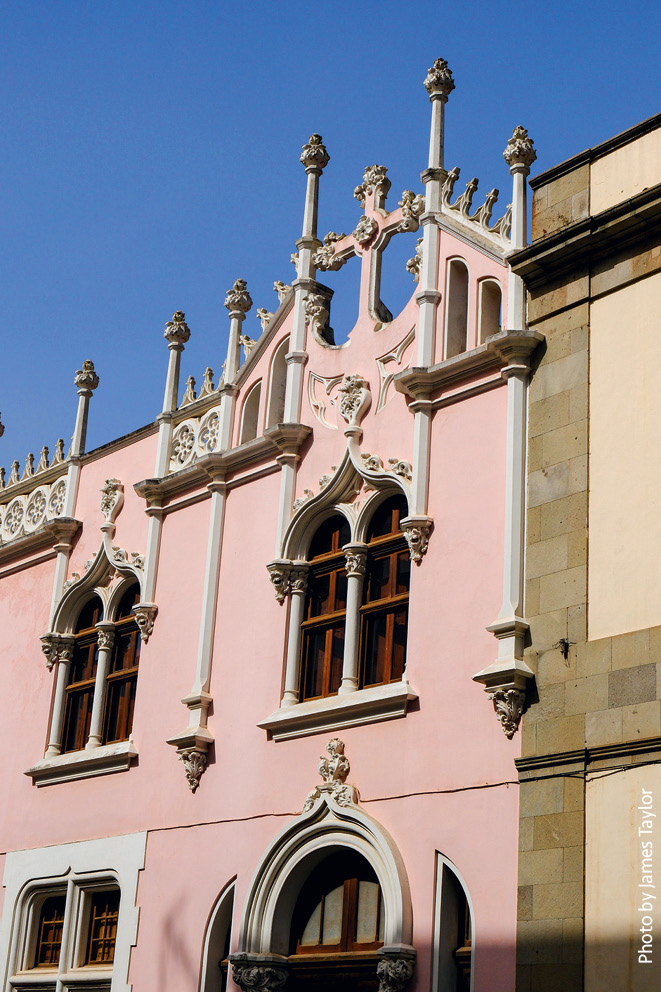
The planned street layout later influenced colonial urban design in the Americas. That heritage gives a walk through La Laguna an added dimension: beyond the attractive buildings, the town reflects centuries of exchange between the Canary Islands and the wider Atlantic world.
Visit Puerto de la Cruz and the historic north coast
Tenerife’s tourism story began in the north. By the late 19th century, European visitors were travelling to Puerto de la Cruz for its mild winters, with some hoping to benefit from the climate. Hotels soon appeared in the former wine-trading port, including the Gran Hotel Taoro in 1890.
Tourism later expanded significantly to the sunnier south, particularly with the growth of charter flights from the 1960s and the opening of Tenerife South Airport in 1978. Even so, Puerto de la Cruz remains an important part of the island’s holiday heritage and a convenient base for exploring the surrounding towns.
The northern shoreline also rewards smaller stops. La Caleta de Interián, for example, has a pebble-strewn volcanic shore and a boardwalk from which to watch the Atlantic waves. It is a good reminder that some of the coast’s most appealing moments come from visiting less familiar villages.
See the volcanic shoreline at Buenavista Lighthouse
At the western end of the northern coast, Buenavista Lighthouse stands above banana plantations and a coastline shaped by lava. Its white tower and distinctive red spiral staircase contrast with the dark volcanic rocks and white Atlantic surf.
Nearby, natural rock formations, rugged cliffs, and pools carved into the coast provide plenty of opportunities to appreciate Tenerife’s geology. Swimming in natural pools should only be considered when local conditions and access are safe, as waves can be powerful.
The lighthouse first became operational in 1997. Other contemporary towers along the north coast include the square concrete lighthouse at Puerto de la Cruz and the angular structure at Punta del Hidalgo, each with its own striking design.
Discover Garachico’s volcanic history
Garachico is one of northern Tenerife’s most characterful historic towns. Once a major trading port for wine shipped across the Atlantic, it was dramatically changed in 1706, when a volcanic eruption sent lava towards the coast and buried the old harbour. Much of the region’s trade subsequently shifted to Puerto de la Cruz and Santa Cruz.
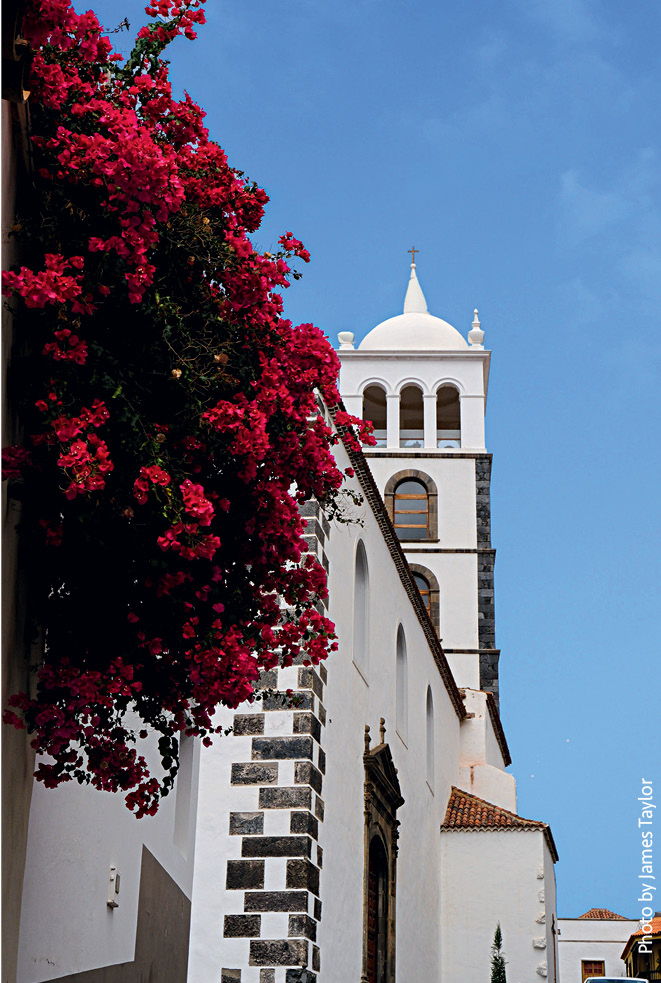
Today, Garachico is known for its white buildings, historic centre, and striking lava coastline. The offshore rock known as Roque de Garachico is a local landmark, while the town’s squares invite visitors to stop for a coffee and enjoy the atmosphere.
Garachico can be busy, and parking may be limited at popular times. Arriving earlier or allowing flexibility in your itinerary can make the visit more relaxed.
Explore La Orotava and traditional Canarian food
Set on the slopes above Puerto de la Cruz, La Orotava combines traditional architecture with a rich winemaking past. Wooden balconies overlook its historic streets, and some of the town’s grand houses reflect the wealth brought by wine trading.
Casa de los Balcones is a notable place to learn more about local craftsmanship and architecture. Its timber balconies surround an internal courtyard, while the historic rooms offer a glimpse into the town’s past. The surrounding streets and gardens are also well worth exploring on foot.
For a taste of local food culture, seek out a guachinche. These informal establishments developed from the tradition of winegrowers selling their own wine alongside simple, hearty dishes. Menus vary, but grilled meat, potatoes, and local wine are common features. Another Canarian speciality to try is papas arrugadas, small wrinkled potatoes served with mojo sauces. Coastal restaurants may also serve octopus, cuttlefish, and other seafood.
Experience the landscapes of Teide National Park
No exploration of Tenerife is complete without understanding the volcanic landscape around Mount Teide. Rising more than 3,700 metres above sea level, Teide is Spain’s highest mountain and an unmistakable feature of the island’s skyline.
Roads climbing towards Teide National Park pass through pine forests and, at times, banks of cloud before emerging into a stark high-altitude landscape. Across the Las Cañadas basin, pale gravel, dark rocks, and multicoloured slopes surround the mountain. The basin formed roughly 170,000 years ago, with Teide and neighbouring Pico Viejo developing later.
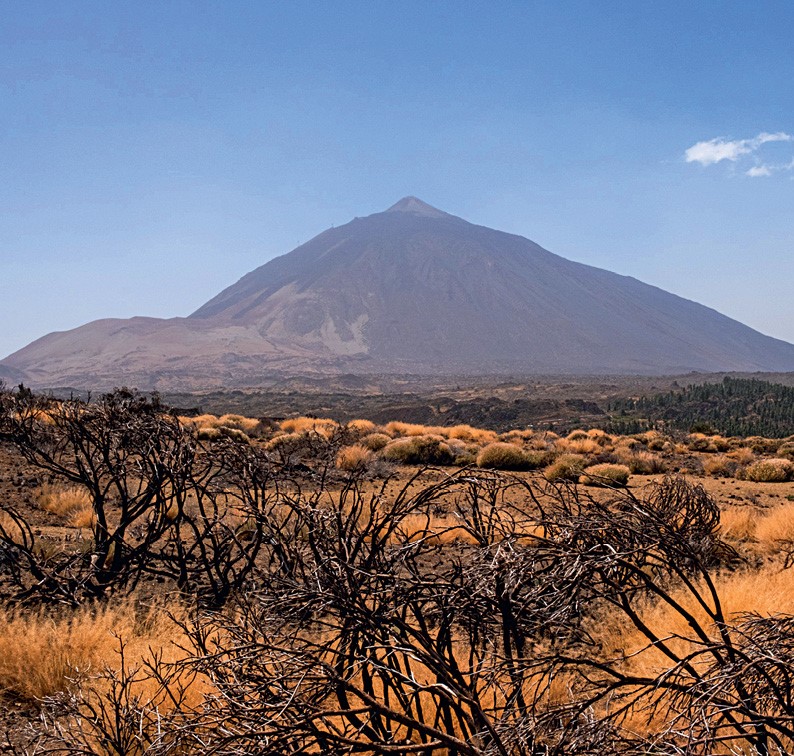
Minas de San José is a memorable stop for appreciating the park’s almost otherworldly terrain. At Roques de García, walking paths pass unusual rock formations shaped by erosion. Mirador La Tarta offers a view of exposed layers of volcanic material, with successive eruptions visible in the roadside rock. The Teide Observatory is another distinctive landmark along the routes through the park.
Teide also has cultural significance. The Guanches used the highlands for seasonal grazing and left archaeological traces, including pottery and obsidian tools. Volcanic activity continued long after their time: an eruption occurred on Pico Viejo’s flank in 1798, and Tenerife’s most recent volcanic eruption took place in 1909.
Conditions in the national park can be cooler and windier than on the coast, even when sunshine is strong. Bring layers, sun protection, water, and suitable footwear. Allow time to stop at viewpoints and enjoy the changes in scenery.
Planning a trip to northern Tenerife
Northern Tenerife is ideal for travellers who enjoy scenic drives, walking, history, and local flavours. Combine Anaga Rural Park with Santa Cruz and La Laguna for forests and city culture, explore Garachico, Buenavista, and La Orotava for volcanic coastal landscapes and historic streets, or dedicate a separate day to Teide National Park.
The roads can be steep and winding, and cloud cover or rain may affect visibility in the mountains even when the coast is sunny. Check local access information, trail restrictions, and sea conditions before visiting individual attractions. With a flexible plan, the island’s contrasting landscapes become part of the experience.
From misty mountain forests and vineyard terraces to UNESCO-listed streets and rugged Atlantic shores, northern Tenerife offers plenty of reasons to venture beyond the beach resorts.
Text by James Taylor
Publicity photos by James Taylor
Read more about authentic travel experiences in Baltic Outlook.