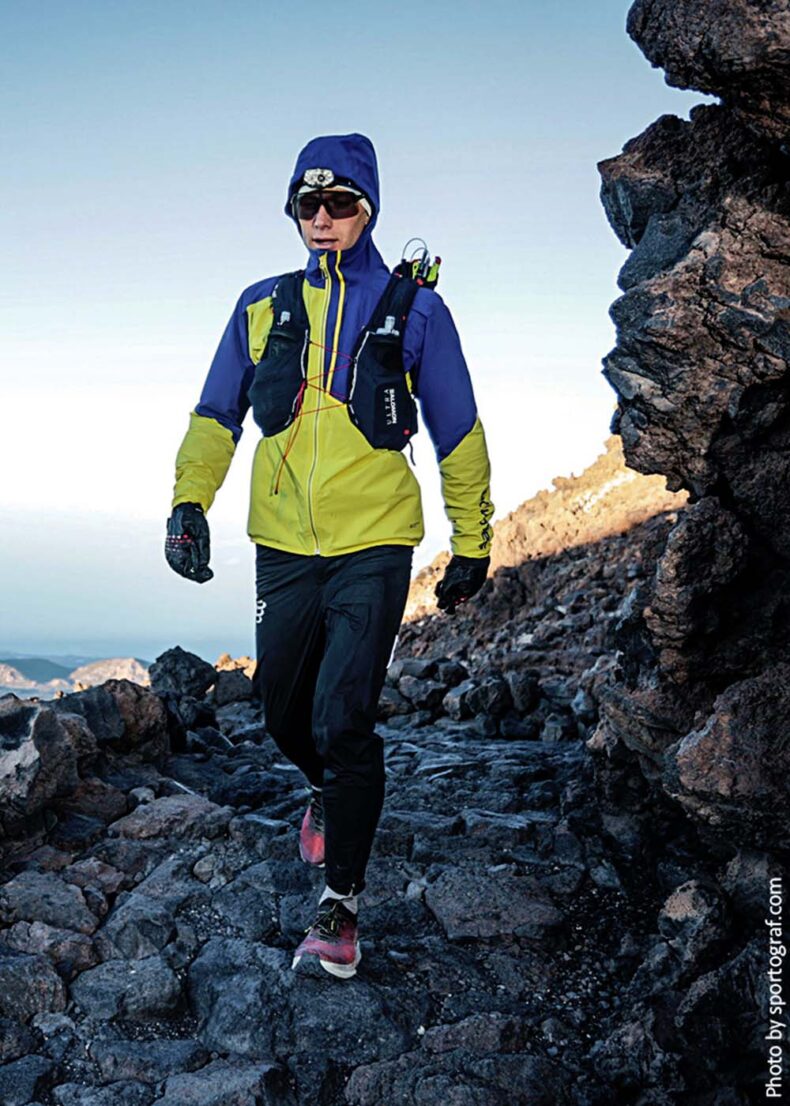
Gvido Kalniņš is one of Latvia’s leading ultra-runners. He has completed the legendary route around Mont Blanc twice, moved to Spain to train on more demanding terrain, and set Latvian records across several ultra-distance disciplines.
He’s also one of the ambassadors for the prestigious Gauja Trail by UTMB®, which took place for the first time in August in Latvia’s Gauja National Park.
Ultra-running is no longer a niche pursuit reserved for a handful of mountain adventurers. Over the past five years, trail and mountain running have exploded into a global phenomenon officially recognised by World Athletics, with more than 25,000 races taking place worldwide every year.
For the first time, Latvia became part of this global stage. As part of the UTMB World Series, Gauja Trail by UTMB® offered Baltic runners a direct path towards the legendary UTMB Mont-Blanc final in Chamonix – the iconic 170-kilometre journey around Mont Blanc, with more than 10,000 metres of elevation gain.
The event welcomed runners of all levels, with race distances ranging from ten to 85 kilometres, while the two longest distances served as official qualifiers for the ultimate stage in the French Alps.
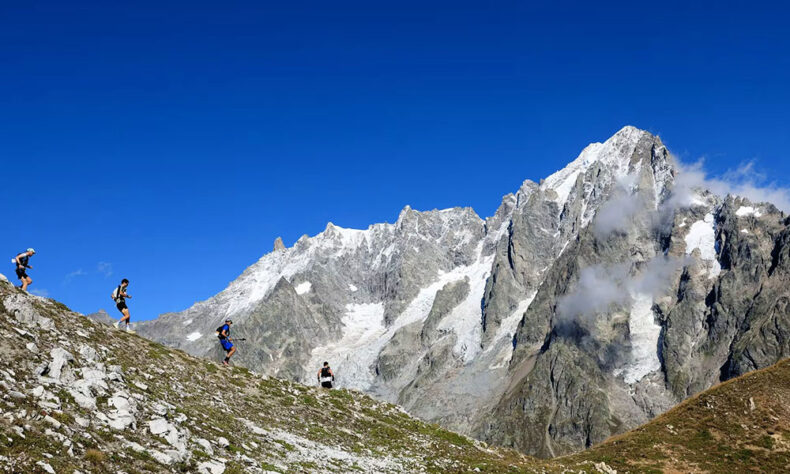
Photo source: UTMB Mont Blanc
Among those helping introduce this world to Latvia is Gvido Kalniņš, who is one of the country’s strongest ultra-runners and a two-time Mont Blanc finisher (2024 and 2025). Yet meeting him, you’d never guess his achievements.
He has no arrogance, no need to prove himself. Instead, Kalniņš comes across as thoughtful, humble, and remarkably easy to connect with; he’s the kind of person whose community run you could imagine joining without hesitation.
He often says that growing up in the countryside has shaped him; in other words, self-promotion does not come naturally. Still, he has learned that some achievements deserve to be recognised, not for ego but because they represent years of dedication and sacrifice.
I noticed on Strava that you’ve recently returned from the Alps. Was it a race, or more of an opportunity to recharge?
I was actually meant to take part in a 90-kilometre race. I had been preparing seriously for it and genuinely wanted to run. But this year has been very different from the previous five years, when training every single day was simply part of my routine.
Last August, I suffered my first major injury. I was fighting for a top position in the UTMB TDS race and tore a muscle – a 12-centimetre tear that forced me to step away from running. The entire winter was challenging, but surprisingly, I managed to get back on track quite quickly.

My race calendar is usually planned a year, sometimes even two years, in advance. So even before the injury happened, I had already committed to the 90-kilometre race in June. In sport, you have to plan ahead, even though you know there will always be unpredictable factors.
This year, I was also selected to represent Latvia at the European Athletics Off-Road Running Championships in June, where I competed over shorter distances. Whenever I represent my country, I give everything I have.
That race was supposed to be a stepping stone towards my individual starts later in the season: first the 90 kilometres around Mont Blanc, then several more races, gradually building a return after injury before the 174-kilometre race around Mont Blanc at the end of August.
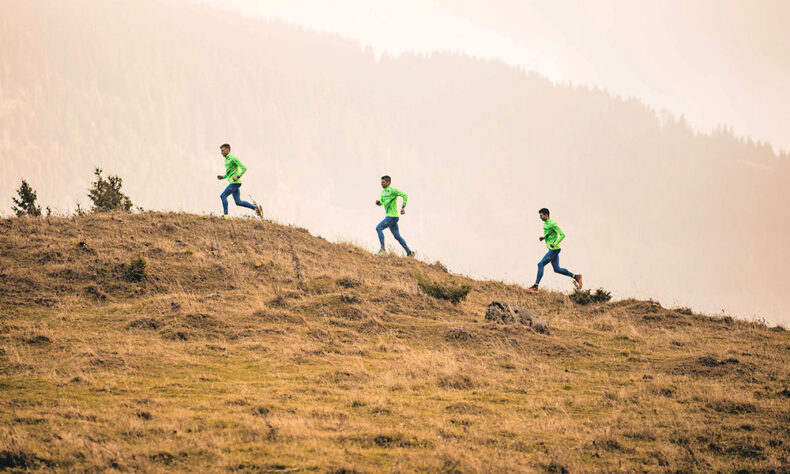
Photo source: Off-Road Running 2026
But I fell during the European Championships. The conditions were extremely slippery and technically demanding. After discussing everything with the doctors, we decided that I still had enough time to prepare for the 90-kilometre race in the Alps at the end of June, and that’s why I travelled there.
However, the risk of another injury was simply too high. If I had injured myself again, I would have lost the opportunity to run the Mont Blanc race and would have potentially faced another six months of rehabilitation. I also had to think about my family and the difficult period they had already gone through with me. We agreed that putting them through that uncertainty again was not something I wanted.
So we made the decision to not race. It was probably the easier choice from a practical point of view, but emotionally it was still a painful one.
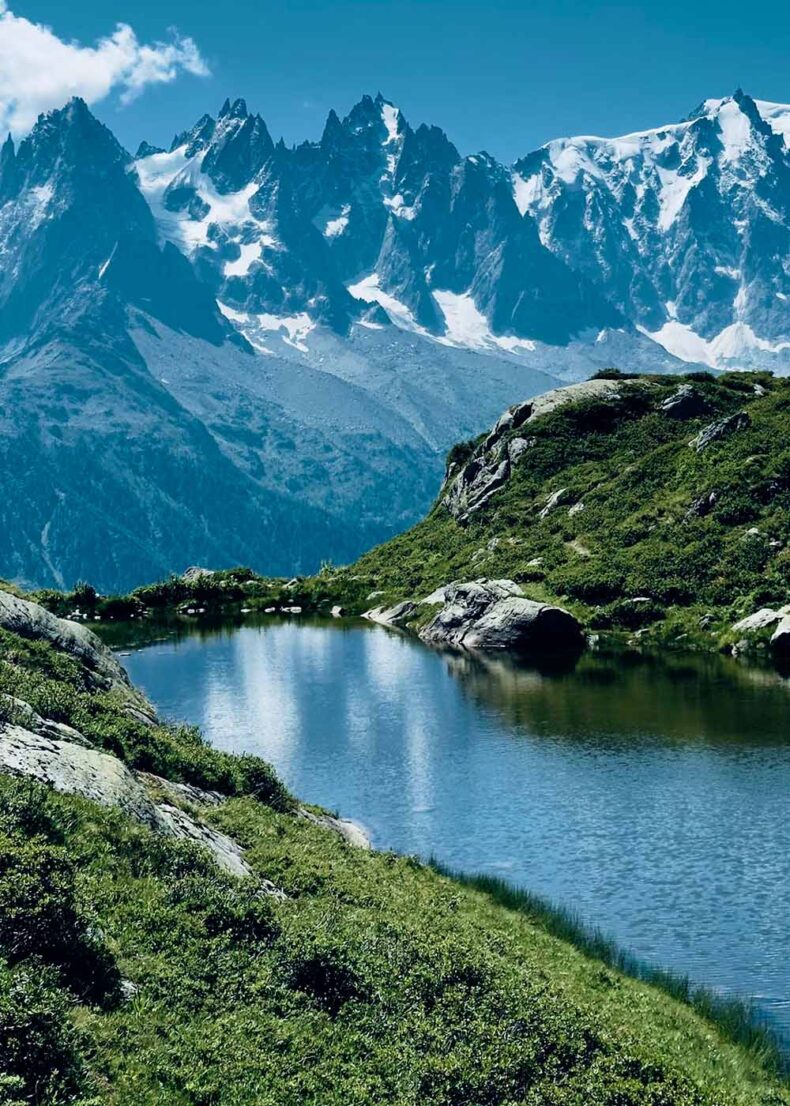
Photo source: Unsplash
Instead, I spent those days in the Alps hiking with my partner, her father, her brother, and his girlfriend. In fact, I fulfilled a dream of mine – I finally went hiking in the mountains.
I’ve spent countless hours in the Alps, and I even lived in the mountains for two years, but I had never gone there simply to hike. The landscape was incredibly beautiful, and although I was not able to do what I had originally planned, I found a sense of peace there.
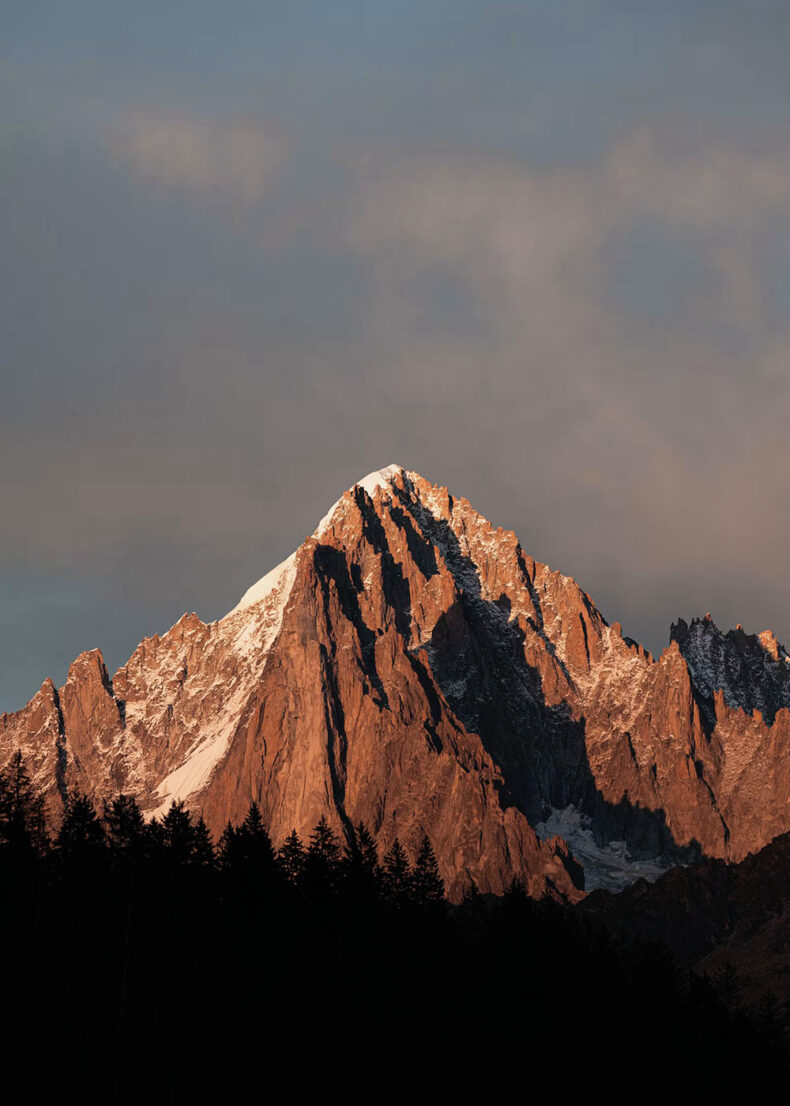
Photo source: Unsplash
Is the Gvido before the injury and the Gvido after it two different people?
I think physically I’m still strong; the doctors as well as the results confirm that. But I’ve definitely changed mentally. Before the injury, my confidence was built on the assumption that everything would simply continue going well. But if I was given the opportunity to erase the past year and return to the person I was before the injury, with that same level of confidence, I’d say no. Today, I feel more grounded, more stable, more experienced.
I’ve made mistakes, and those experiences have changed the way I see things. Difficult periods are a natural part of life – not only in running, but in everything we do. I was not prepared for that kind of setback. I had become used to moving smoothly through my athletic career, always progressing from one goal to the next.
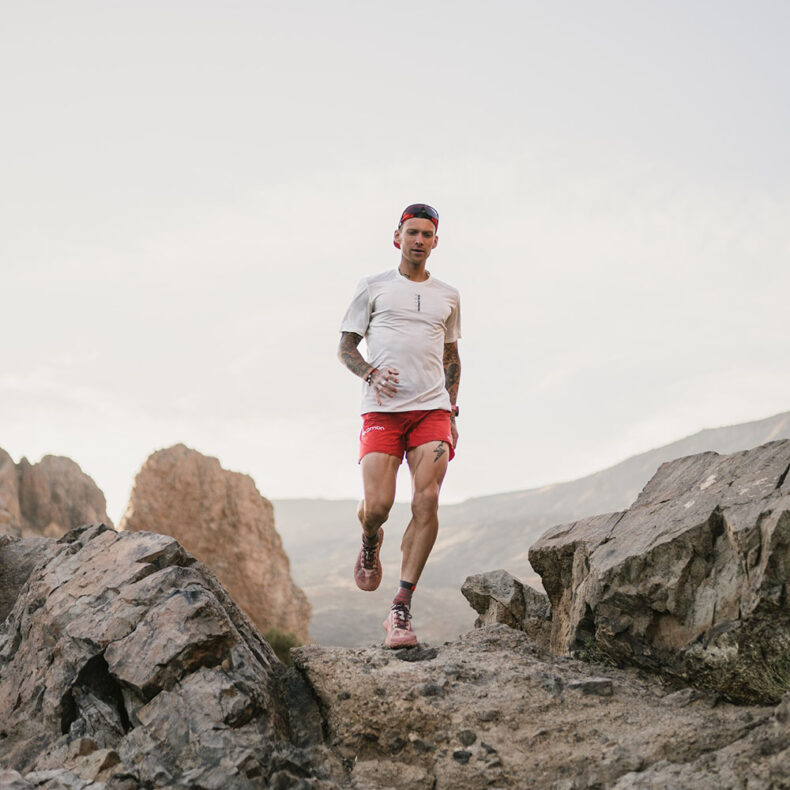
Photo source: Instagram
I have a tattoo and a ring with a wave symbol on them, because they remind me that life comes in waves and that we can’t always expect to sail through everything effortlessly. But to truly understand that, you have to experience those waves yourself.
I still have to remind myself how strong my body actually is. I come from the countryside, and I’ve always said that perhaps this is why it’s not always easy for me to be extremely confident, especially in everyday life. But when I run, my confidence goes through the roof. It’s a feeling that’s difficult to explain.
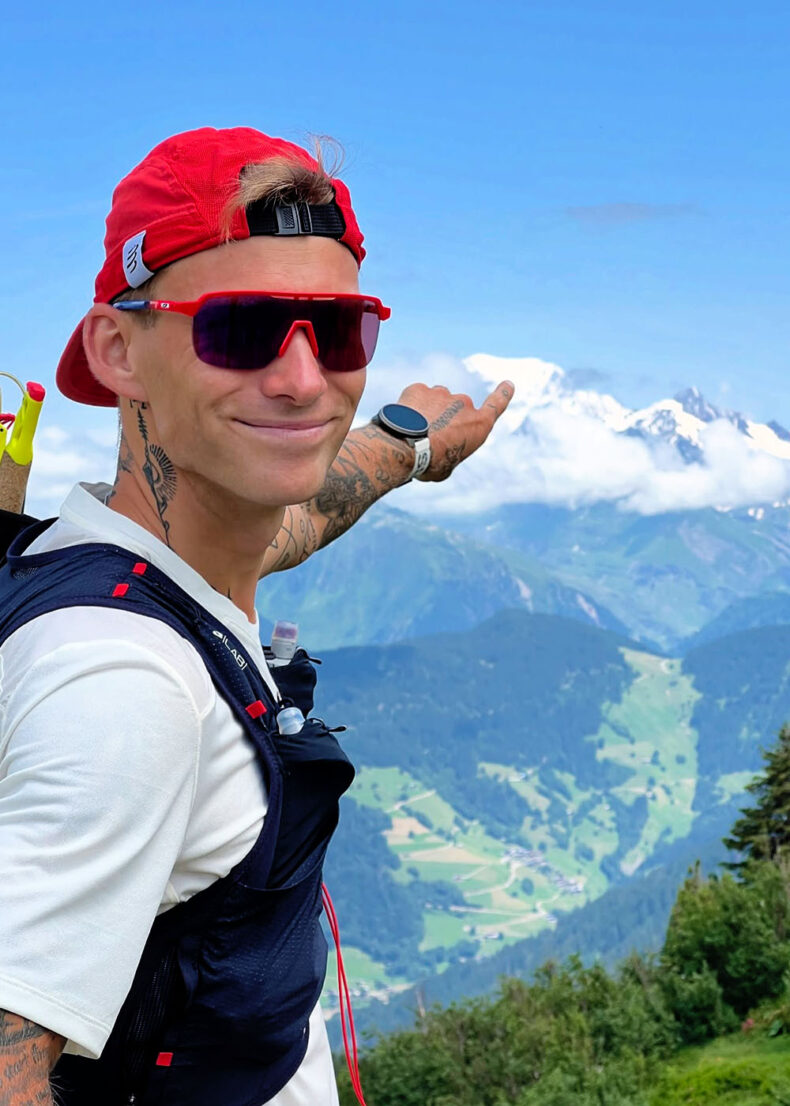
Photo source: Instagram
Maybe it’s simply a matter of growing up. Five years ago you were a novice athlete, whereas today you’re an experienced runner.
Experience is a strange thing. A few years ago, when I moved to Spain to focus on running, my coach told me that I had very limited experience. Then, just a few months later, he said that I probably had the most extensive trail-running experience of any runner in Latvia. A lot can change in just a few years.
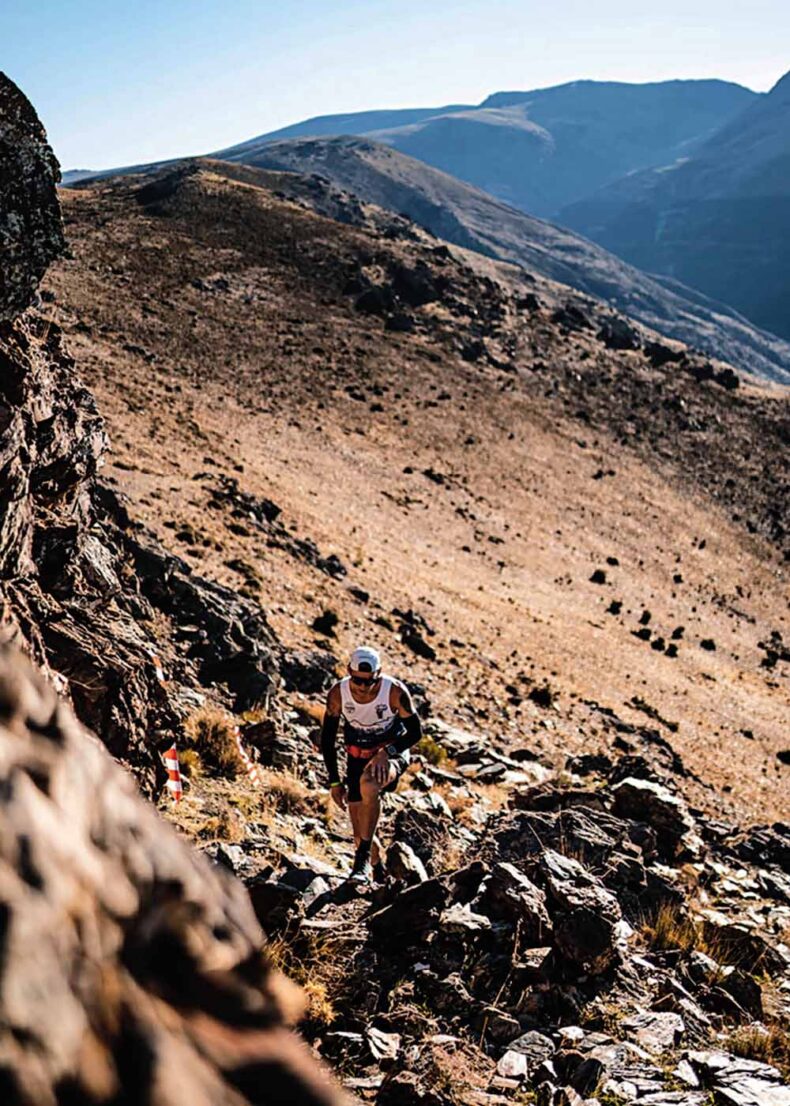
Photo by: Manel Ruaix Pare
For two and a half years, you lived between Latvia and Spain, where you moved to train in the mountains.
I had the opportunity to move to Spain because of my job, and it was an incredibly valuable experience. I spent two and a half years in southern Spain before eventually deciding that it was time to return to Latvia.
At that stage in my life, I was living alone with one clear goal: to train as much as possible. But somewhere along the way, I lost the balance between running and the other things that give life meaning. I had convinced myself that running was the most important thing in my life. It was easy to fall into that mindset because I had distanced myself from my family, relationships, and many other important parts of life.
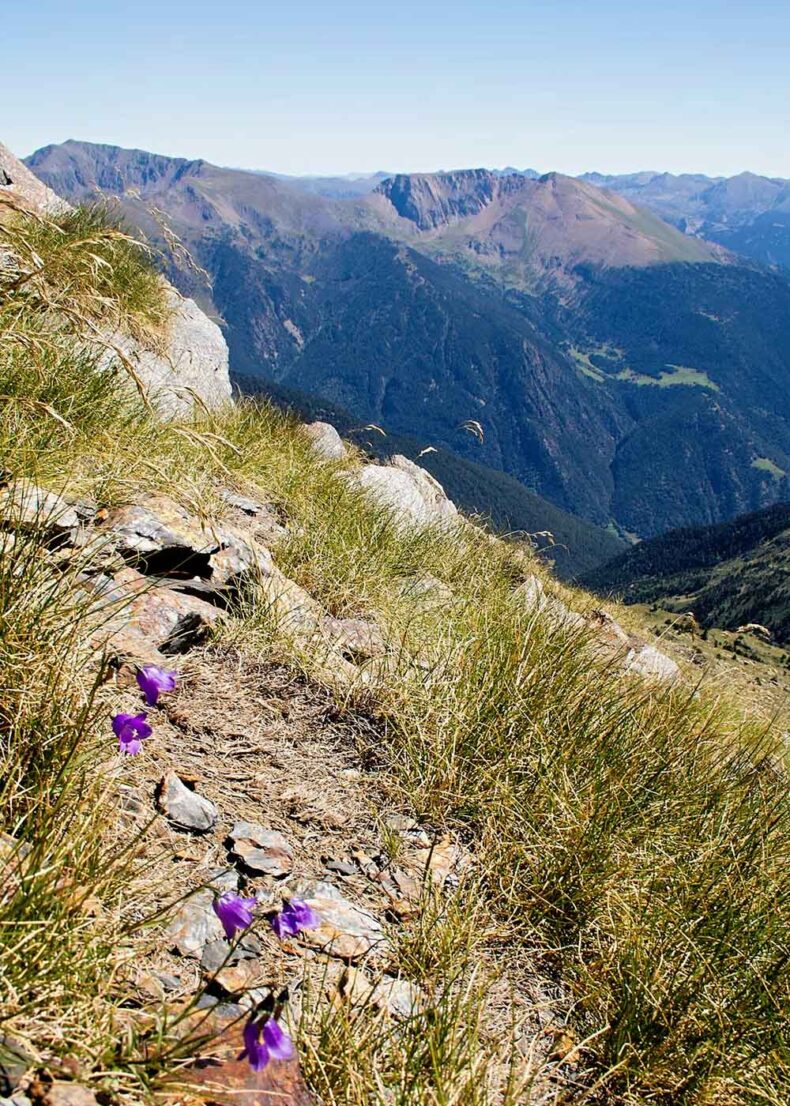
Photo source: Unsplash
Looking back now, it was a beautiful chapter, but I couldn’t fully appreciate it at the time because I was so focused on running. I was chasing a dream and willing to sacrifice almost everything for it.
Actually, the balance I have now is the best I could wish for. I have an amazing life partner, I have running, and I can still go to the mountains, train, and continue pursuing the dreams I had as a child while watching inspirational videos on YouTube.
Do runners from mountainous countries really have an advantage in ultra-running compared with athletes from flatter regions?
There’s a saying: you have to practise what you preach. Before I moved, my coach told me that spending time in the mountains would be a huge step in my development. I was in my early twenties, and he said that if I continued training only in Latvia, it could take more than ten years to successfully compete with runners from mountainous countries. I needed to go to the mountains to accelerate my progress. If my body could handle that level of intensity, I had the potential to reach the level of the world’s best runners – and perhaps even outperform them.
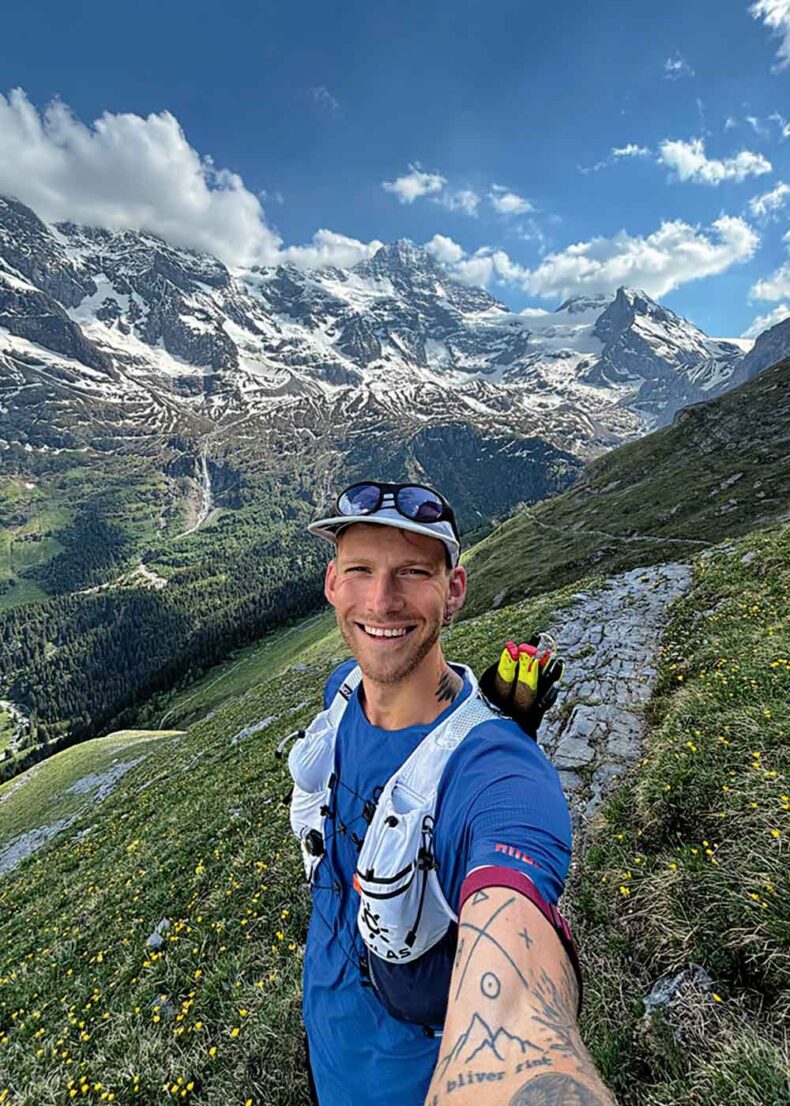
Spain was an obvious choice because I’ve always loved the country. I’ve been a fan of FC Barcelona since I was a child, and Barcelona was actually the first place I flew to there. But ironically, it turned out to not be my favourite place in Spain. It was too crowded for me; I prefer nature, so today I mostly use it as a transit point.
The Pyrenees, along with the hot climate of mainland Spain and Tenerife, are much closer to my ideal training conditions. When it’s hot, I can prepare for the extreme situations I may face during races.
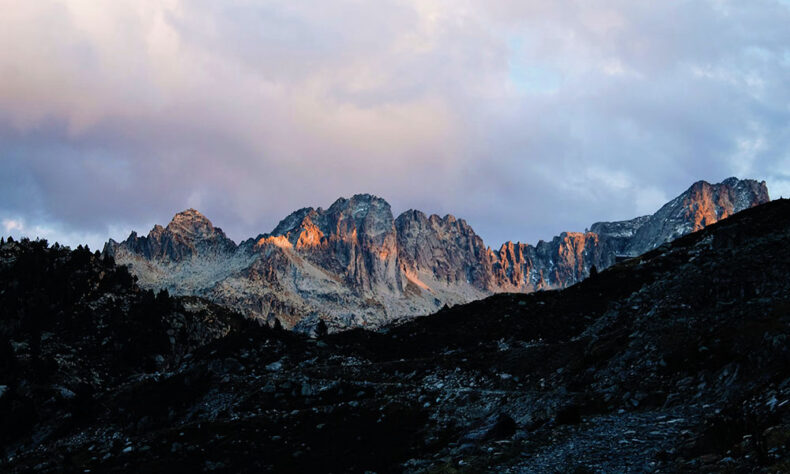
Photo source: Unsplash
At Mont Blanc, for example, temperatures can rise above 30 degrees Celsius, but they can also drop to five or ten degrees, with snow also possible. Your body has to be prepared for that shock. Training in heat makes me mentally stronger and more confident.
Even during Latvian summers, I prefer running at midday rather than early in the morning or late in the evening. Winter also offers excellent training conditions, as long as temperatures don’t drop to extreme levels.
You were a track and field athlete as a child. How did you end up in ultra-running?
I was a track and field athlete in middle school, but I actually hated running, even though I was good at it. A kilometre already felt like a long distance. Later, when I played football in high school, I started running to and from training because I understood that my body needed endurance. Football is an explosive sport, so I wanted to improve my cardio.
At university, I had to leave football behind, and I naturally moved towards running longer distances. At first, I ran on roads and participated in some marathons, but that quickly lost its appeal. I enjoyed running alone, being in my own thoughts and challenging myself, more than chasing medals.
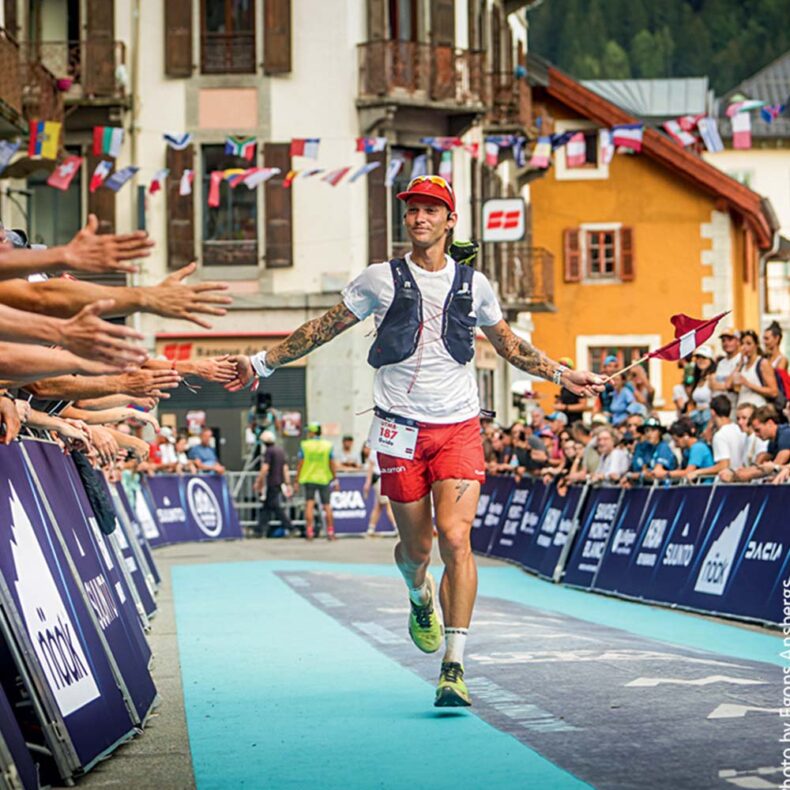
I did not immediately fall in love with trails – I fell in love with ultra-running. While studying in Denmark, I found the right community and met people who inspired me. I watched videos about ultra-runners such as François D’Haene and Juan Dual, and what fascinated me was not only the races but the people behind them: their stories, their struggles, their mindset.
Everything came quite easily to me at the time because my body was strong and my athletics background helped me overcome challenges. Only later did I truly understand how demanding the mental side of ultra-running can be. Today, running is still one of the best things I can give myself. My body and I are a team, and I need to take care of both.
What do you remember about your first ultra-run?
Ironically, my first ultra was in Italy – the same place where I fell in my most recent ultra. It was a 50-kilometre race, and I was completely inexperienced. I bought a second-hand running vest, my shoes didn’t fit properly, and I ended up damaging my toenails and getting a tendon injury. I thought I had chosen an easy trail, but I didn’t understand what I was getting into. The course had around 3000 metres of elevation gain, and I barely understood what that meant. Looking back, the difference between that first race and where I am now is huge.
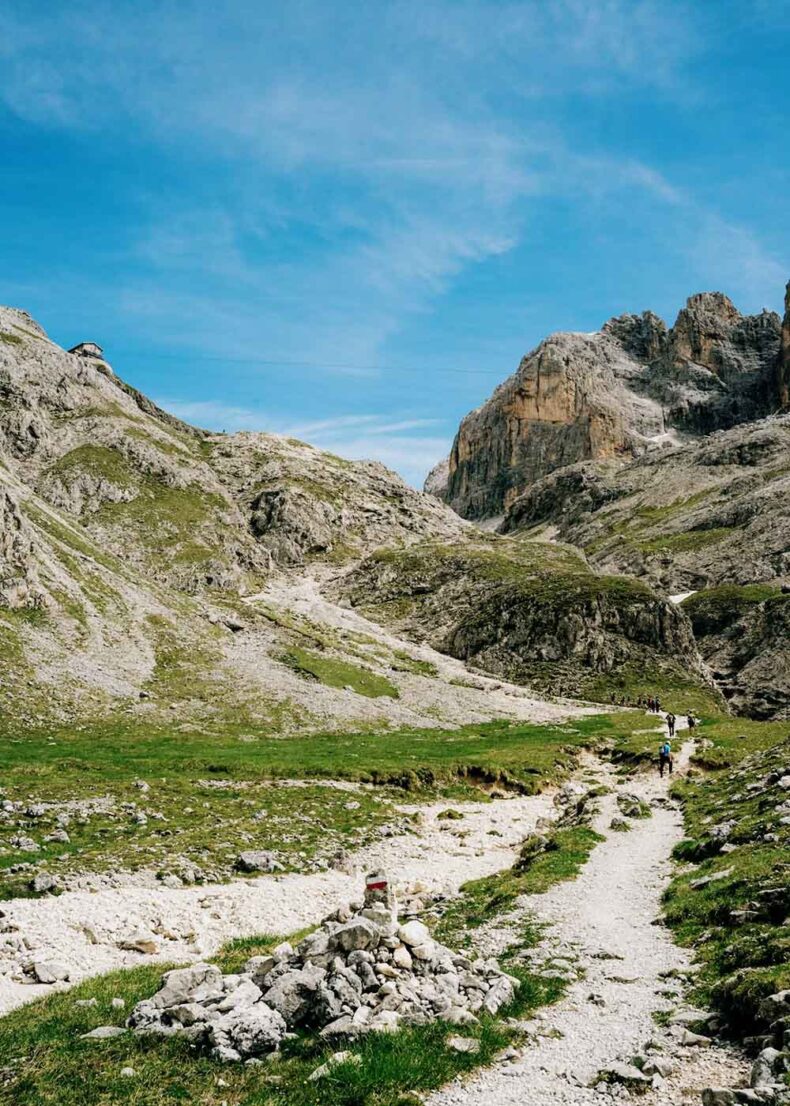
Photo source: Unsplash
Were experienced athletes supportive when you were starting out?
The trail-running community is incredibly inclusive. I think that’s one of the main reasons people continue running, especially those who aren’t focused solely on results. The atmosphere is created not only by the top five or ten runners but by everyone who does it for enjoyment and personal challenges.
If someone were to arrive at the starting line missing a piece of equipment and asked for help, there would probably be 20 people with perfect gear ready to lend them something. That shows the true spirit of ultra and trail running. It’s not about having the newest shoes or the most expensive equipment; it’s about the values behind the sport.
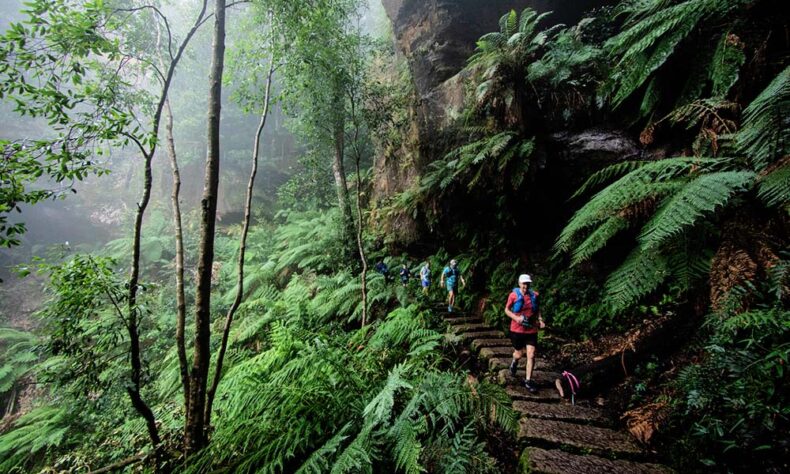
Photo source: UTMB World
What does a typical training session look like for you? You probably don’t run 70 kilometres every day.
I wish I could! My favourite training session is a six-hour, 60-kilometre run in the mountains. When preparing for the Mont Blanc race, my longest run is usually around 60 kilometres, followed by another two days of 50 or 40 kilometres. In the mountains, my weekly volume can reach around 210 kilometres.
A typical week is mostly built around easy base training. Around 80–85% of my runs are in the first or second heart-rate zones, and then I add two harder interval sessions on hills to develop speed and strength.
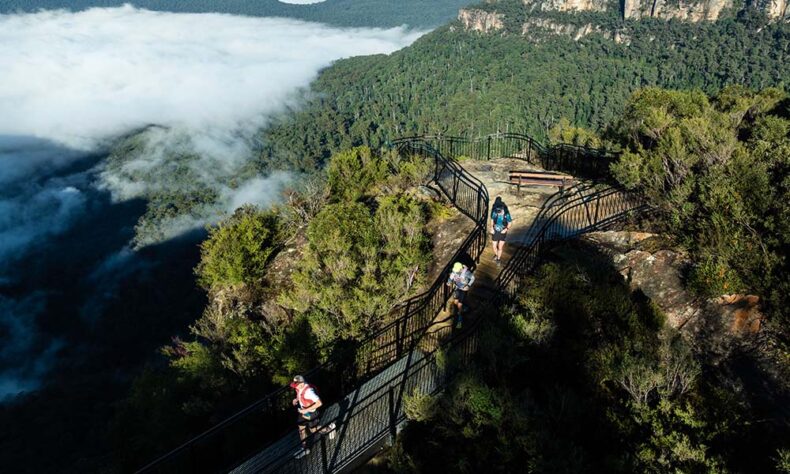
Photo source: UTMB World
Those first two zones are the foundation. It’s difficult mentally because you need patience, but if you always run too fast, your body cannot develop properly. Everyone progresses at their own pace, but when you look back a year or two later, the difference can be incredible.
For ultra-runners, the race around Mont Blanc is usually the most important and prestigious event. Why is that?
I’ve run around islands and other mountains, but Mont Blanc is different. It’s not just the route; it’s the history and the meaning behind the race. For ultra-runners, it’s like the Olympic Games. Just qualifying is already a major achievement, and the race brings together the best athletes in the world. If you perform well there, you truly understand your level internationally.
The main race is around 170 kilometres, depending on the conditions, and the atmosphere in Chamonix during race week is incredible. Thousands of people gather, sponsors pay attention, and the organisation takes care of every detail. I love other races, too, but Mont Blanc is a dream for every ultra-runner. I see it as an adventure, and one day I want to return and fight for a top-three finish.