In the heart of the Atlantic Ocean, Madeira is Portugal’s enchanting volcanic island. It is a destination shaped by dramatic cliffs, lush forests, deep valleys and warm Atlantic sunshine. Nicknamed the Paradise Island, it brings together everything that makes a trip feel special: breathtaking nature, year-round mild weather, memorable food, welcoming people and outdoor adventures that begin almost as soon as you land.
This is an island where the scenery changes at every turn. One moment, you’re looking out over rugged volcanic coastline and waves rolling in from the Atlantic. The next, you’re walking through green mountain landscapes, past waterfalls, levadas and forests that feel wonderfully untouched. Colourful towns, seaside promenades and quiet villages add even more charm, giving Madeira a perfect balance of nature, culture and relaxed island life.
Whether you’re dreaming of scenic hikes above the clouds, refreshing ocean swims, slow days in charming villages or fresh seafood with a view, Madeira makes it easy to shape the trip your way. Come for the sunshine, stay for the landscapes and leave with a long list of reasons to return.
airBaltic flies directly to Funchal, Madeira from Riga and Tallinn, with convenient connections from Vilnius, Palanga and other cities across the airBaltic network.
Cherished by visitors and locals alike, Madeira is one of those rare places that feels instantly distinctive. The island is best known for its world-class fortified wines, which have been produced here for more than five hundred years. Madeira wine is part of the island’s identity, shaped by fertile volcanic soil, mild Atlantic weather and long sunny days that help vineyards flourish on steep terraced slopes. A visit here is a chance to taste that history in the place where it began.
But Madeira offers far more than famous wine. Its 145-kilometre coastline is full of variety, with inviting beaches, oceanfront promenades, dramatic viewpoints and natural swimming pools carved into volcanic rock. The sea is always close, whether you’re walking beside the waves in Funchal, swimming in clear Atlantic water or watching the coastline unfold from a cliffside road.
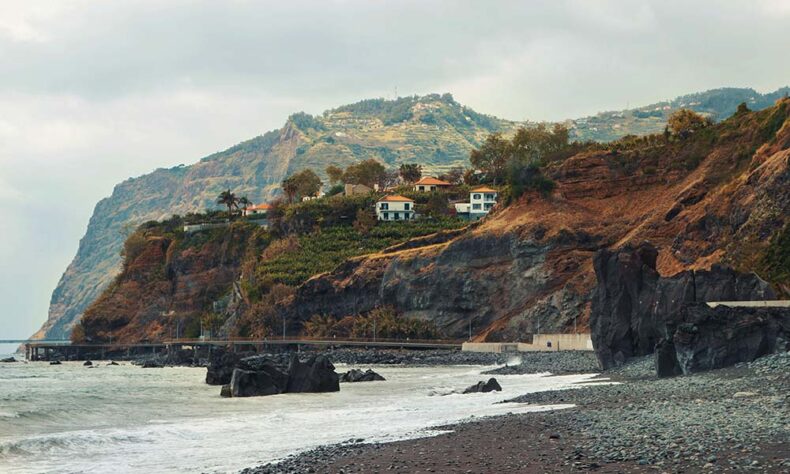
Photo source: Unsplash
Inland, the landscape becomes even more dramatic. Rugged mountains rise above deep valleys, forests cover the slopes and waterfalls pour down mossy cliffs into cool green ravines. Narrow walking paths and levada trails lead through some of the island’s most beautiful scenery, taking you to viewpoints where the Atlantic stretches far into the distance.
Despite its modest size, Madeira offers a remarkable variety of experiences. One day can begin with a sunrise hike above the clouds and end with a refreshing swim in the Atlantic. Another might take you through banana plantations, into ancient laurel forests, along windswept coastal paths and finally to a restaurant terrace overlooking the ocean.
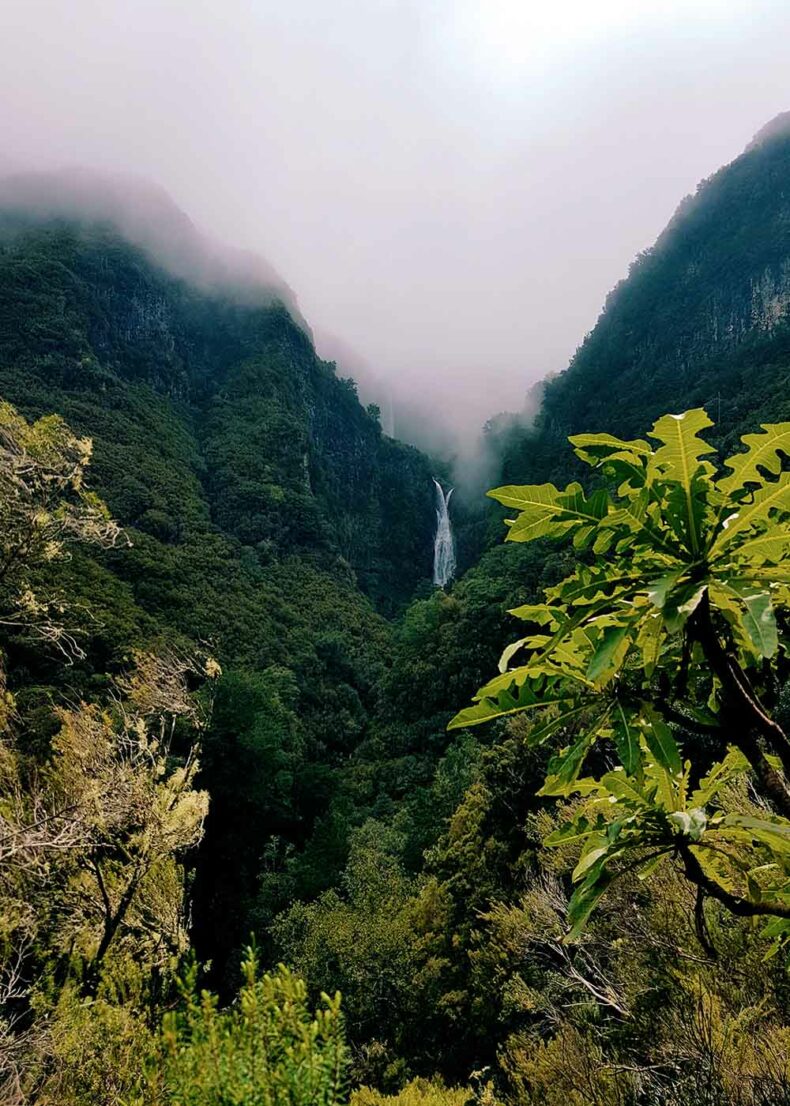
Photo source: Unsplash
The island is just as rewarding at a slower pace. Wander through colourful towns, stop for coffee by the sea, explore local markets or settle in for a long dinner of fresh seafood and Madeira wine. There’s always something to see, taste or enjoy, but Madeira never feels rushed.
Add stylish hotels, relaxed seaside cafés, chic restaurants and consistently pleasant temperatures, and it’s easy to see why Madeira is one of Europe’s most appealing year-round destinations. It has the comfort of a well-loved holiday island, the beauty of a nature escape and the easy charm of a place that invites you to return.
Breathtaking scenery and natural treasures
First of all, Madeira is simply stunning. This is an island that makes an impression from the moment you arrive, with landscapes that feel both lush and dramatic at once. Towering peaks rise above deep green valleys, rugged cliffs drop into the Atlantic and volcanic headlands shape a coastline that is full of character. Even a short drive can feel like a scenic tour, with every bend in the road revealing another viewpoint, village, valley or glimpse of the ocean.
One of Madeira’s greatest natural treasures is the Laurisilva forest, a UNESCO World Heritage Site and one of the finest surviving examples of the ancient laurel forests that once covered large parts of southern Europe. Today, it offers a rare chance to experience a landscape that feels almost untouched by time. Walking here is like stepping into another world, where moss-covered trees, dense greenery, cool mountain air and narrow streams create a peaceful, almost mystical atmosphere. It is one of the best places on the island to slow down, breathe in the fresh air and enjoy Madeira’s wilder side.

Photo source: Unsplash
Another unforgettable highlight is Ponta de São Lourenço, a volcanic nature reserve on the eastern tip of the island. This part of Madeira feels completely different from the island’s green interior. Here, the scenery is open, raw and windswept, with dramatic rock formations, dry coastal trails and wide Atlantic views stretching in every direction. The colours are striking too, from deep blue ocean and pale cliffs to rusty volcanic rock and patches of hardy coastal plants. It is a beautiful place for a walk, especially if you enjoy landscapes that feel exposed to the elements.
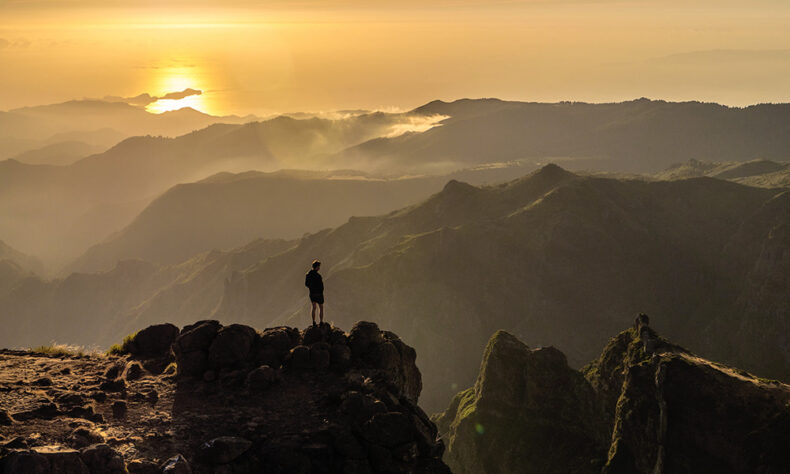
Photo source: Unsplash
Across the island, Madeira keeps surprising you. Terraced vineyards climb steep hillsides, coastal roads curve above the sea and high mountain routes lead to viewpoints where clouds drift below the peaks. You can find hidden waterfalls, peaceful valleys, black sand beaches, natural swimming pools and lookout points that make you stop for just one more photo. The island may be compact, but its landscapes change quickly, so every day can bring a different kind of scenery.
There are plenty of ways to get closer to nature here. Cycling, canyoning and rock climbing are popular across the island, and the varied terrain makes Madeira especially exciting for active travellers. Still, hiking remains one of its signature experiences. The island is famous for its levadas: old irrigation channels that now guide walkers through forests, valleys, tunnels and mountain slopes. These routes are one of the most memorable ways to explore Madeira, combining nature, history and spectacular views in one experience.
With around two hundred levada routes to choose from, it is easy to find a walk that suits your pace. Some trails are gentle and scenic, perfect for a relaxed day outdoors, while others lead deeper into the island’s wild interior and reward hikers with waterfalls, panoramic viewpoints and quiet corners far from the main roads. Whether you are looking for a short nature walk or a full day of adventure, Madeira makes it easy to feel immersed in the landscape.
For travellers who love the outdoors, Madeira is much more than a sunny island escape. It is a destination for fresh air, dramatic views and everyday discoveries, from misty forests and volcanic cliffs to ocean trails and mountain paths.
Beautiful beaches and natural pools
Madeira’s beaches and natural swimming pools offer a captivating mix of relaxation and adventure. This is not an island of endless flat sand, and that is exactly part of its charm. Here, the coastline is shaped by volcanic rock, Atlantic waves and dramatic cliffs, creating swimming spots that feel beautifully connected to nature. From sheltered beaches close to Funchal to natural pools carved into black lava rock, Madeira makes every swim feel like part of the landscape.
Just a 10-minute drive from the centre of Funchal, Praia Formosa is one of the island’s most popular beach areas. It is the largest public beach in Madeira and a great choice for an easy day by the sea, especially if you are staying in or near the capital. This family-friendly Blue Flag beach combines several small sandy beaches with a larger pebble beach, all separated by rocky outcrops. It is ideal for a relaxed swim, a walk along the promenade or a peaceful pause with ocean views.
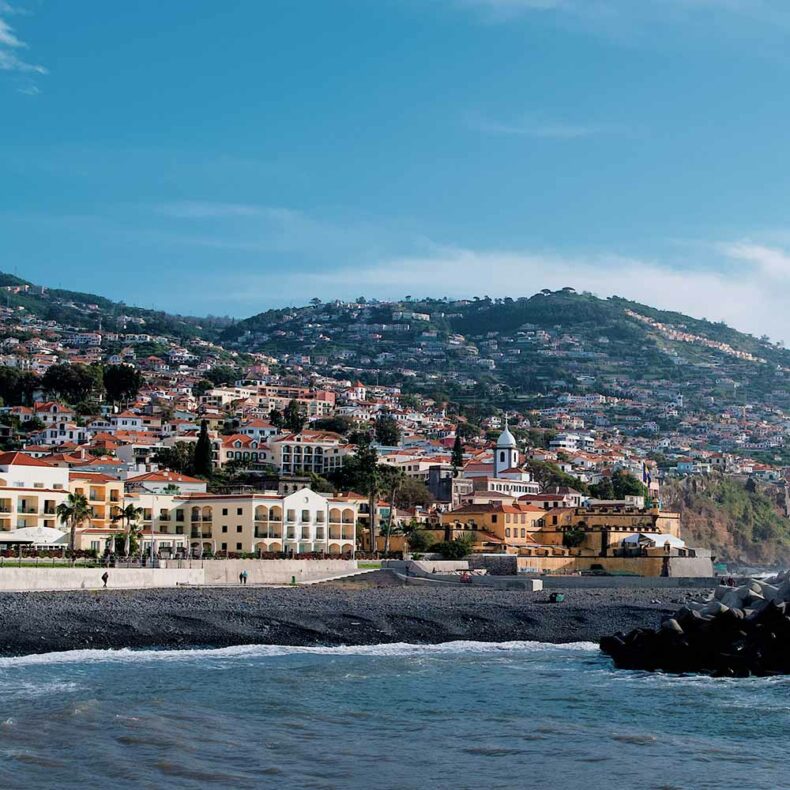
Photo source: Unsplash
On the northwest coast, Porto Moniz is home to one of Madeira’s most iconic attractions: natural tidal pools formed by ancient volcanic eruptions. Filled with clear Atlantic seawater and surrounded by black volcanic rock, these pools are a spectacular place to swim, sunbathe and enjoy the island’s wilder side. The contrast between the calm pools and the powerful Atlantic waves beyond them makes the experience especially memorable. It is one of those places where you can feel both protected and close to the raw energy of the ocean.
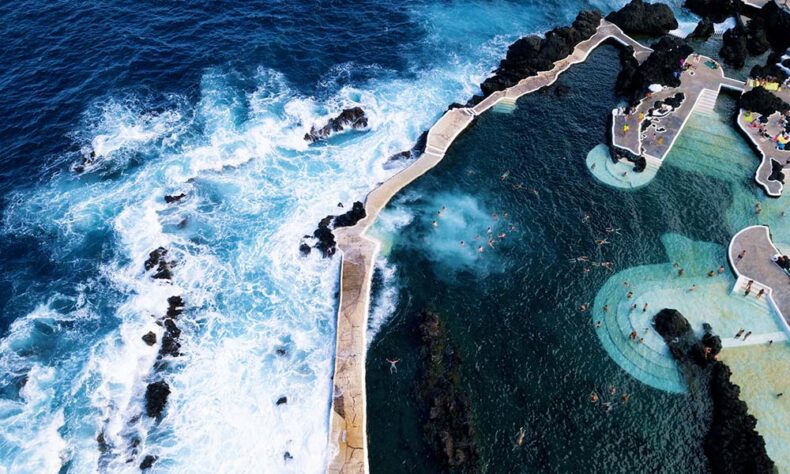
Photo source: Unsplash
For sun-filled days by the water, Madeira’s southwest coast is full of charming places to explore. Câmara de Lobos, Ponta do Sol and Madalena do Mar each offer their own blend of sea views, local character and relaxed island atmosphere. This part of the island is perfect for slow coastal drives, spontaneous photo stops and long lunches with the Atlantic in the background.
Câmara de Lobos stands out for its colourful fishing boats, dramatic ocean scenery and centuries-old fishing tradition. The village sits in a small natural harbour, where bright boats rest on the shore and steep hills rise behind the waterfront. It is one of the most photogenic coastal villages on the island, especially in the soft light of late afternoon. Take a walk by the harbour, enjoy the view from one of the nearby lookout points or simply settle in and watch daily life move at an easy pace.

Photo source: Unsplash
Further along the coast, Ponta do Sol lives up to its name as one of Madeira’s sunniest spots. With its compact seafront, dramatic cliffs and warm, golden light, it is a lovely place for a relaxed afternoon by the water. Madalena do Mar offers a quieter atmosphere, with sea views, banana plantations and a peaceful coastal charm that makes it ideal for travellers looking to slow down.
Calheta is another favourite, known for its sheltered golden-sand beach and laid-back resort feel. The breakwaters create calm waters for swimming, making it a comfortable choice for families and anyone who prefers a gentler beach day. Around the marina and seafront, you will also find several excellent restaurants where you can enjoy fresh seafood such as octopus, tuna and black scabbard fish. It is an easy place to order something local, take in the ocean views and let the day unfold slowly.
Whether you prefer volcanic pools, pebble beaches, golden sand or small seaside villages, Madeira gives you plenty of ways to enjoy the Atlantic. Its coastline feels varied, dramatic and full of character, perfect for travellers who want more than just a place to sunbathe.
Perfect weather all year round
Madeira’s subtropical climate is one of the island’s greatest gifts. Often called the Island of Eternal Spring, the island enjoys mild temperatures throughout the year, with warm sunshine, fresh Atlantic breezes and weather that rarely feels too hot or too cold. It is the kind of place where you can spend the morning by the sea, head into the mountains in the afternoon and still end the day comfortably on a terrace.
That makes Madeira a great choice if you want a sunny escape without the intense heat of a typical southern European summer. The days are warm enough for swimming, outdoor dining and time by the water, while the cooler mountain air keeps hiking, sightseeing and exploring pleasant. You can plan an active trip here without feeling limited by the season.
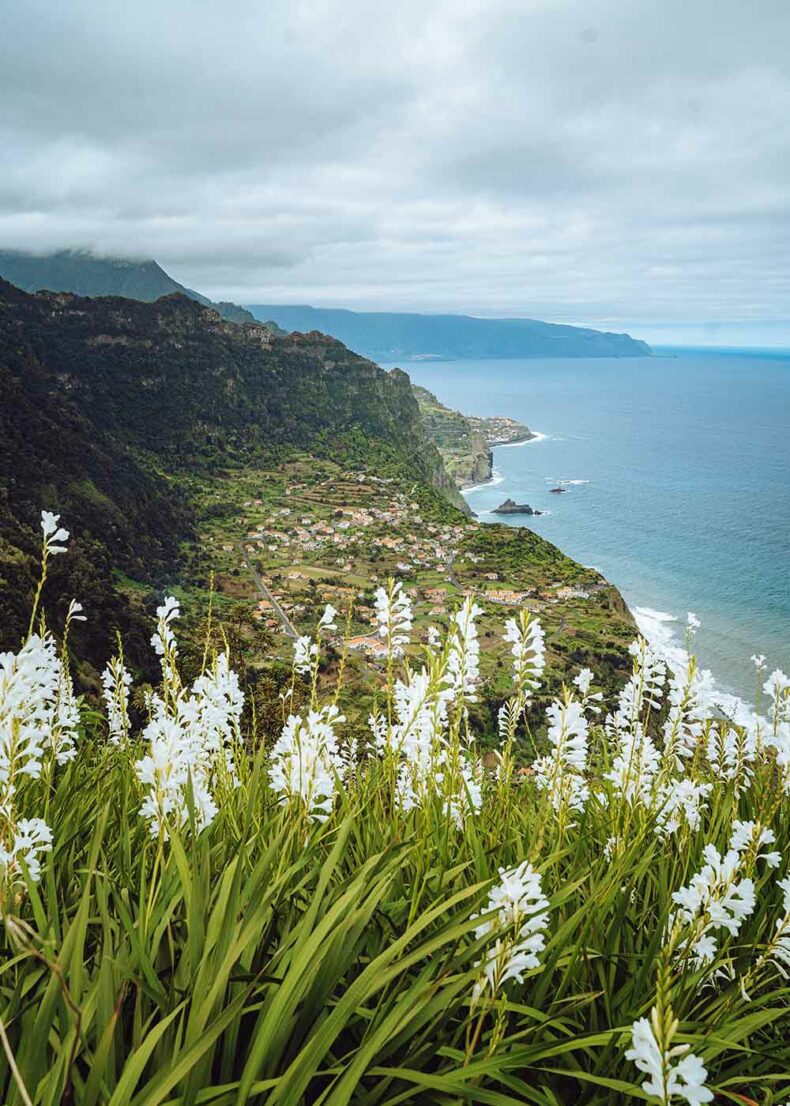
Photo source: Unsplash
The island’s microclimates add even more character. You might wake up to clear skies on the coast, then drive into cool mist in the mountains or walk through the Laurisilva forest while Funchal enjoys a bright afternoon by the sea. These changes are part of Madeira’s charm. They make the island feel full of life and give every day a little variety.
This also means you can enjoy very different experiences in a single trip. One day might be all about sunshine, swimming and seafood by the coast. The next could take you along forest trails, past waterfalls and up to viewpoints where clouds move slowly across the peaks. Madeira’s weather helps make the island feel bigger than it looks on the map.
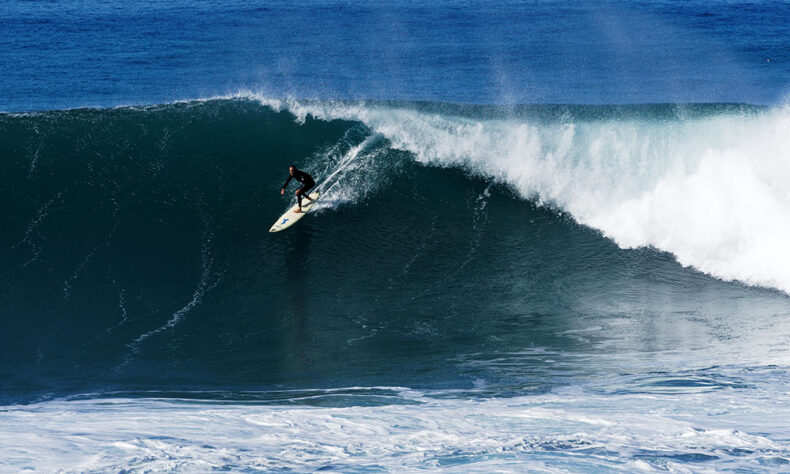
Photo source: Unsplash
The best part is that there is no bad time to visit. Come in winter for a mild Atlantic escape, when much of Europe feels cold and grey. Visit in spring for flowers, green hillsides and lush landscapes. Choose summer for long beach days, boat trips and warm evenings outdoors. Or travel in autumn for pleasant temperatures, fewer crowds and a calmer rhythm by the sea.
For active travellers, the climate is especially appealing. Madeira is made for hiking, cycling, surfing, sailing and canyoning, and the mild weather keeps these experiences open for much of the year. You do not have to build your whole trip around one short season. Instead, you can choose the kind of holiday you want and let the island do the rest.
For slower days, the weather works just as well. Sit on a terrace with a glass of Madeira wine, enjoy lunch with an ocean view or take an easy walk along the seafront. The island invites you to spend time outdoors, whether you are chasing views or simply enjoying the warmth.
Whether you want to hike, swim, surf, sail or simply slow down in the sunshine, Madeira’s climate makes it easy to enjoy the outdoors all year round.
Endless outdoor adventures and activities
Madeira’s rugged landscapes are made for outdoor adventure. With mountains, cliffs, forests, waterfalls and the Atlantic Ocean all within easy reach, the island feels like one big natural playground. It is the kind of place where you can start the day above the clouds, walk through ancient forest in the afternoon and end it by the sea.
The island’s compact size makes it especially rewarding for active travellers. You do not need to travel far to find a new view, a new trail or a completely different landscape. One moment you are surrounded by green valleys and quiet mountain paths, the next you are looking out over volcanic cliffs and deep blue ocean.
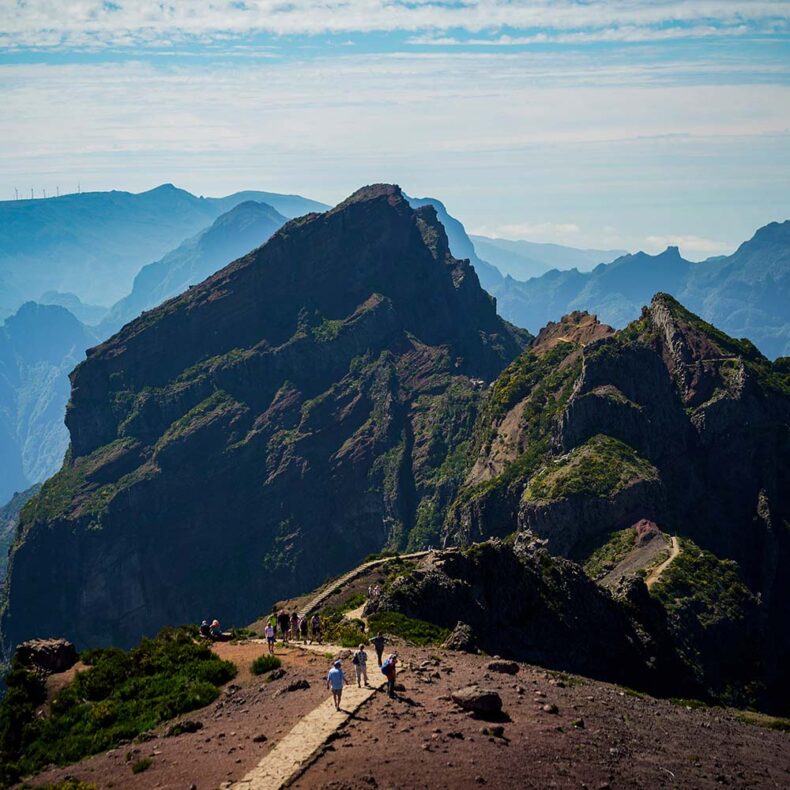
Photo source: Unsplash
Hiking is one of the best ways to experience Madeira. Trails lead through laurel forests, along narrow levadas, across volcanic headlands and up to spectacular viewpoints where clouds drift below the peaks. Some routes are gentle and scenic, perfect for a relaxed walk with beautiful views. Others are more demanding, with steep climbs, narrow paths and big rewards once you reach the top.
For many visitors, the walk between Pico do Arieiro and Pico Ruivo is one of the island’s most memorable experiences. The route connects two of Madeira’s highest peaks and offers dramatic mountain scenery, sharp ridgelines and sweeping views that change with the clouds. It is a proper adventure, but the feeling of standing high above the island is hard to beat.
The levadas are another Madeira classic. These former irrigation channels were built to carry water across the island, and today they form an impressive network of walking routes through forests, valleys and mountain slopes. They are a wonderful way to see a quieter side of Madeira, where the sound of running water follows you along the path and greenery surrounds you at every turn.
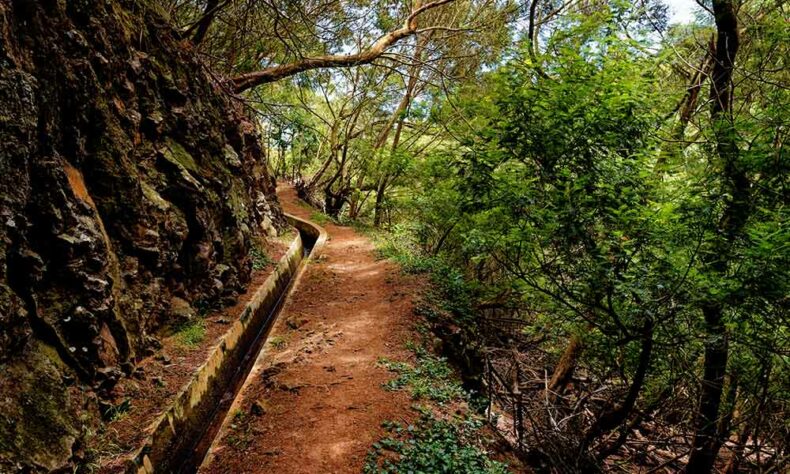
Photo source: Unsplash
With around two hundred levadas to choose from, there is something for almost every fitness level and travel style. Some routes are peaceful and easy to follow, with wide paths and gentle scenery. Others pass through tunnels, cross steep valleys or lead to waterfalls hidden deep in the forest. They make hiking in Madeira feel different from almost anywhere else.
For travellers looking for more adrenaline, Madeira has plenty to offer. Canyoning is one of the island’s standout activities, with routes that take you through rocky gorges, down waterfalls and into clear natural pools. It is a great way to experience Madeira’s wild interior from a completely different angle.
Coasteering brings the adventure to the shoreline, combining swimming, climbing and jumping into the Atlantic along volcanic rock formations. Paragliding is another unforgettable way to see the island, with take-off points above cliffs and hillsides that open up wide views over the coast. For those who prefer to stay on solid ground, mountain biking, trail running and climbing are also popular across the island.
The Atlantic adds another layer of adventure. Madeira is a great place for surfing, especially in spots where the waves roll in from the open ocean. Stand-up paddleboarding offers a calmer way to enjoy the water, while diving reveals volcanic formations, marine life and clear underwater landscapes. Sailing trips are also a beautiful way to see the island from the sea.
Whale and dolphin watching is one of the most memorable ocean experiences in Madeira. Boat tours depart from the coast and give travellers the chance to see marine life in its natural environment, with the island’s cliffs and mountains as a backdrop. Even if you do not spot everything you hoped for, time on the Atlantic is always part of the adventure.
What makes Madeira so special is the variety. You can build a trip around big outdoor challenges, or simply add a few active moments to a relaxed island holiday. Go hiking in the morning, swim in natural pools in the afternoon and enjoy dinner by the sea in the evening. The island makes it easy to do a lot without ever feeling rushed.
Whether you prefer your adventures high in the mountains, deep in the forest or out on the water, Madeira gives you plenty of ways to make each day memorable. It is an island for travellers who like fresh air, open views and the feeling that there is always another path worth following.
Culinary delights from both land and sea
Madeira’s cuisine reflects the island’s generous nature and the creativity of its people. Local dishes are often simple, hearty and full of flavour, with recipes that bring together Portuguese traditions, fresh Atlantic seafood and produce grown in Madeira’s rich volcanic soil. It is food that feels honest and comforting, but never boring.
The island’s location plays a big part in what ends up on the table. The Atlantic provides fresh fish and seafood, while the warm climate helps fruit, herbs and vegetables grow in abundance. Add in centuries of trade, local know-how and a strong tradition of home-style cooking, and you get a food scene that is full of character.
Fresh seafood is a staple across Madeira. Octopus, tuna and the prized black scabbard fish appear on menus throughout the island, often served with local vegetables, rice or tropical fruits such as banana and passion fruit. This mix of flavours feels distinctly Madeiran. It is fresh from the sea, bright from the land and shaped by the island’s easy relationship with both.
Black scabbard fish is one of the dishes most closely linked with Madeira. It is often served with banana, creating a sweet and savoury combination that may sound unusual at first, but makes perfect sense once you try it. Tuna is another local favourite, often grilled and served simply, letting the quality of the fish speak for itself. Octopus is just as popular, especially in coastal restaurants where long lunches come with sea views and a slower pace.
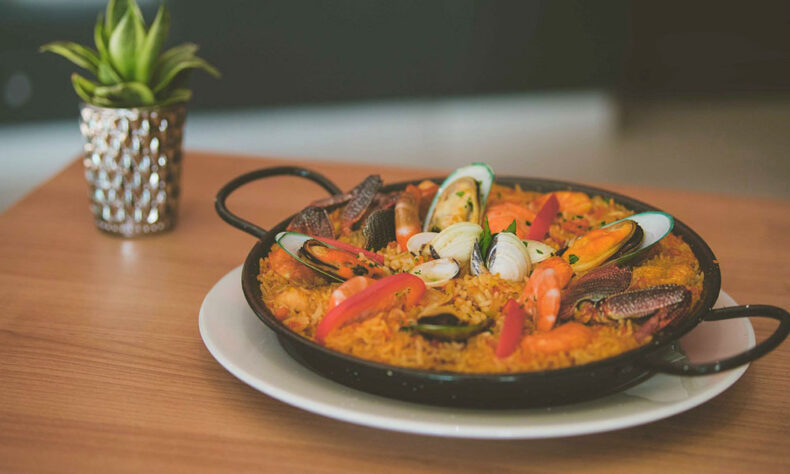
Photo source: Tripadvisor
Meat lovers should try espetada, one of Madeira’s most traditional dishes. These juicy beef skewers are usually seasoned with garlic and salt, then grilled over an open flame until tender and smoky. In many places, the skewers are brought to the table hanging from a metal stand, turning a simple meal into a memorable island experience.
Espetada is often served with milho frito, small cubes of fried maize that are crisp on the outside and soft inside. Add bolo do caco, a traditional round flatbread served warm with garlic butter, and you have one of the most satisfying meals on the island. It is simple, generous and exactly the kind of food you want after a day of hiking, swimming or exploring.

Photo source: Tripadvisor
The island’s fertile soil produces a rich variety of vegetables, herbs and tropical fruits. Bananas, passion fruit, custard apples, papayas and mangoes all bring colour and freshness to local markets, desserts and drinks. You will also find plenty of soups, stews and vegetable dishes that show the more rustic side of Madeiran cooking.
Markets such as Mercado dos Lavradores in Funchal are a great place to experience the island’s flavours in one lively setting. Stalls are filled with bright fruit, fresh flowers, herbs, spices and local produce, while the fish market gives a glimpse into the island’s close connection with the sea. It is a lovely place to wander, taste something new and get a feel for everyday life in Funchal.
And then, of course, there is Madeira wine. This world-renowned fortified wine has been part of the island’s story for centuries. Its rich, complex flavours pair beautifully with both savoury dishes and desserts, and a tasting is one of the best ways to understand Madeira’s history through flavour.
Madeira wine can be dry, sweet or somewhere in between, so there is plenty to discover even if you are not usually a fan of fortified wines. Try it as an aperitif, enjoy it with dessert or visit a wine lodge in Funchal to learn more about how it is made. A glass of Madeira wine is more than a drink. It is a direct link to the island’s landscape, craft and long maritime past.
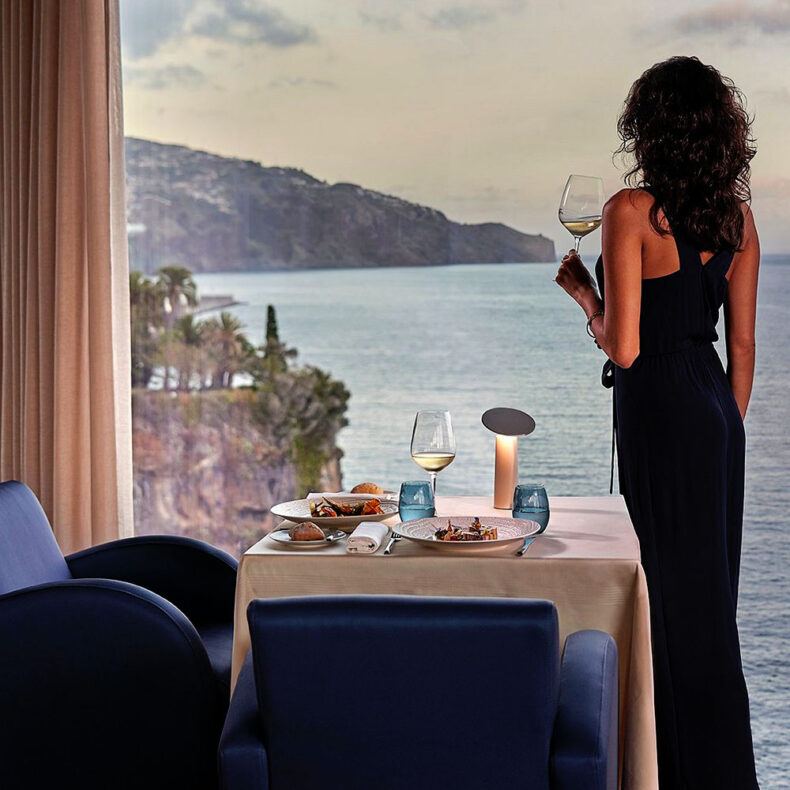
Photo source: Tripadvisor
The restaurant scene is just as varied as the island itself. You will find Michelin-starred dining rooms, stylish hotel restaurants, relaxed seaside terraces, family-run eateries in the hills and no-frills local spots where the portions are generous and the welcome is warm. Some places are perfect for a special evening, while others are made for long, casual meals after a day outdoors.
Food in Madeira is also part of the rhythm of travel. Stop for coffee and cake in Funchal, order grilled fish after a swim, try local fruit at the market or share espetada in a mountain village. Wherever you go, the island gives you plenty of reasons to sit down, slow down and enjoy what is on the table.
From fresh seafood and grilled meats to tropical fruit, warm bread and a glass of Madeira wine, the island’s cuisine is full of simple pleasures. It is another way to experience the landscape, the culture and the warm hospitality that make Madeira so easy to love.
Unique flora and fauna
Thanks to its isolated location and volcanic nature, Madeira is home to a fascinating variety of flora and fauna. For nature lovers, the island offers something special in every direction, from lush forests and mountain flowers to seabirds, dolphins and whales. It is a place where the landscape feels alive, and where even a simple walk can turn into a chance to notice something rare, colourful or beautifully unexpected.
Madeira’s nature is one of the reasons the island feels so different from many other European destinations. Its position in the Atlantic has helped unique species develop over time, while its mountains, valleys and coastline create many different habitats in a relatively small area. You can move from sunny coastal paths to misty forest trails in the same day, with each setting revealing a different side of the island.
The Laurisilva Forest is one of Madeira’s greatest natural wonders. This UNESCO World Heritage Site is a living relic of the ancient subtropical forests that once covered parts of southern Europe. Today, it shelters unique plant life, streams, waterfalls and a cool green world that feels far removed from the sunny coastline. The air is fresh, the paths are shaded and the forest has a calm, almost otherworldly atmosphere.
Walking through the Laurisilva Forest is one of the best ways to understand Madeira’s natural richness. Moss clings to old trees, ferns grow along the paths and narrow streams run through the forest floor. In some places, the trees form a dense canopy overhead, softening the light and making the whole landscape feel peaceful and timeless. It is not just beautiful to look at. It is also one of the island’s most important natural habitats.
Madeira’s plant life is especially rich. Look out for the Madeira orchid, the striking pride of Madeira and different species of heather. Around gardens, parks and viewpoints, colourful flowers thrive in the mild climate, making the island feel bright and lush throughout the year. Even if you are not a plant expert, it is hard not to notice how much colour there is everywhere.
The island is also known for its beautiful gardens. In and around Funchal, you can visit places filled with tropical plants, palms, flowers and trees from Madeira and other parts of the world. These gardens show how well plants grow in the island’s mild climate, and they offer a gentler way to enjoy Madeira’s nature if you want a break from hiking.
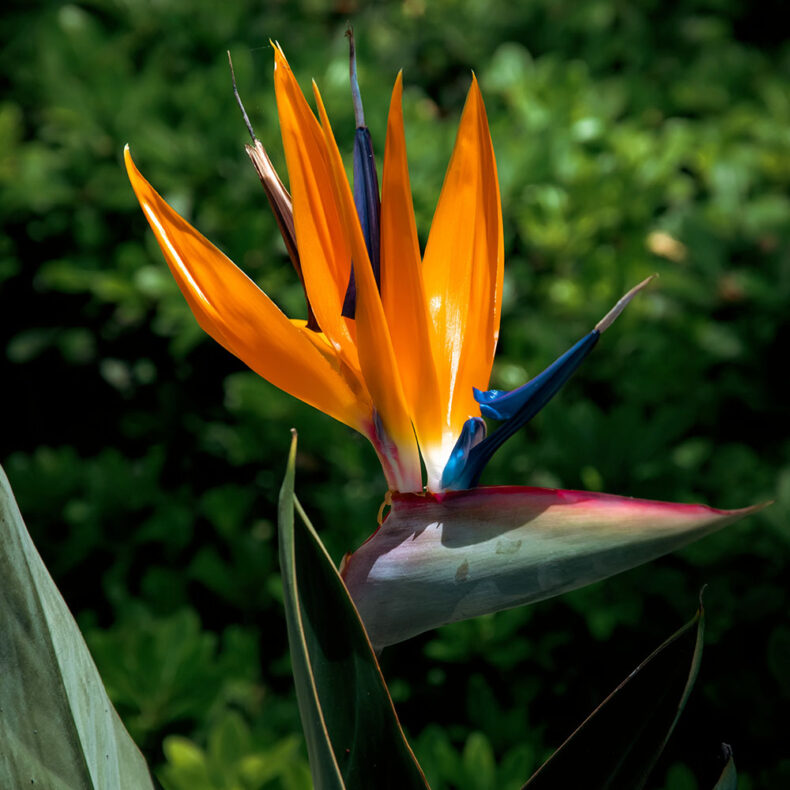
Photo source: Unsplash
Flowers are part of everyday life in Madeira. They spill over garden walls, brighten village streets and bring colour to balconies, markets and viewpoints. Bird of paradise flowers, bougainvillea, hydrangeas and agapanthus are just some of the plants you might see while exploring the island. In spring, the island feels especially lush, but Madeira’s mild weather keeps it green and colourful throughout the year.
The island’s wildlife is equally remarkable. Bird watchers can look for the Madeira firecrest, the island’s smallest bird, and the rare Zino’s petrel, one of the world’s most endangered seabirds. Their presence is a reminder of Madeira’s importance as a home for species found in very few places on Earth.
For bird lovers, Madeira is a rewarding destination because you do not always need to go far to spot something interesting. Forest trails, mountain viewpoints, coastal cliffs and quiet gardens all offer chances to see different species. Some birds are easier to notice by sound before you see them, so it is worth slowing down and listening as you walk.
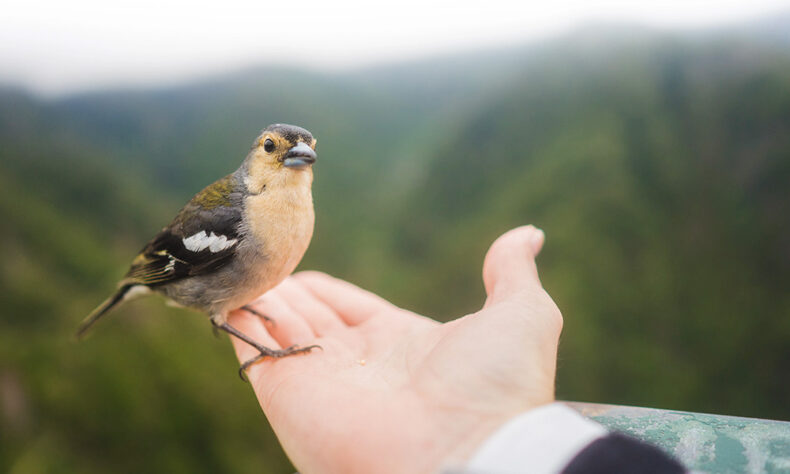
Photo source: Unsplash
The surrounding Atlantic waters are also full of life. Dolphins and whales can often be seen on boat trips from Funchal and other coastal areas, giving visitors a chance to experience Madeira from the sea. These trips are a wonderful way to combine wildlife watching with views of the island’s dramatic coastline, where cliffs, green slopes and small villages rise above the water.
The monk seal may occasionally be spotted along rocky stretches of coastline, especially in quieter marine areas. Sightings are never guaranteed, but that is part of what makes them special. Madeira’s marine life adds another layer to the island’s natural appeal, showing that its wild beauty does not end at the shoreline.
Whether you explore by foot, by boat or simply by taking your time in nature, Madeira rewards those who look closely. A flower by the path, a bird moving through the trees, dolphins breaking the surface of the water or clouds drifting over an ancient forest can all become part of the experience.
For travellers who love nature, Madeira offers more than scenic views. It offers a sense of discovery. The island’s flora and fauna give every walk, garden visit and boat trip a little extra meaning, making Madeira a destination that feels rich, colourful and full of life.
Rich cultural heritage
Madeira’s cultural heritage is shaped by centuries of history, Atlantic trade routes, Portuguese traditions and a strong island identity. Its story began with Portuguese explorers in the 15th century, and over time the island developed a character of its own. European influences, local customs, seafaring traditions and the rhythms of island life all come together here.
This heritage is easy to feel as you travel around Madeira. It is there in the old streets of Funchal, in the small coastal villages, in traditional houses, in local crafts and in the festivals that fill the island with colour and music. Madeira may be best known for its landscapes, but its culture gives every trip more depth.
In Funchal, the capital, cobbled streets, historic buildings, grand churches and leafy squares invite slow exploration. The old town is full of atmosphere, with painted doors, small shops, restaurants and glimpses of daily life around every corner. It is a lovely place to wander without rushing, stopping for coffee, stepping into a church or following narrow lanes towards the sea.
The city’s history is closely linked to Madeira’s role as a stopping point on Atlantic trade routes. Over the centuries, Funchal grew into an important port, welcoming ships, merchants and travellers. That mix of movement and exchange helped shape the island’s architecture, cuisine, wine culture and open, welcoming spirit.
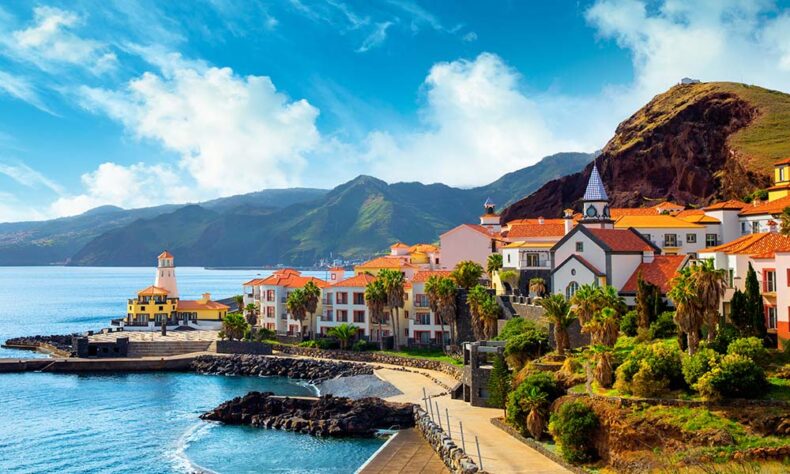
Beyond the capital, Madeira’s villages reveal a quieter side of the island’s heritage. Fishing communities, mountain settlements and farming villages each have their own rhythm and character. In places such as Caniçal, Câmara de Lobos and Santana, you can see how closely local life has always been connected to the sea, the land and the island’s dramatic terrain.
Traditional architecture also tells the story of Madeira’s rural past. The island’s famous thatched-roof houses, especially associated with Santana, are among its most recognisable sights. Their steep triangular shape, bright colours and simple design reflect a way of life closely tied to agriculture, climate and local materials.
These houses are more than just postcard-perfect landmarks. They offer a glimpse into how people once lived in Madeira’s countryside, using practical building styles suited to the island’s conditions. Today, their white walls, red doors, blue trim and thick thatched roofs make them one of the most charming symbols of Madeiran identity.
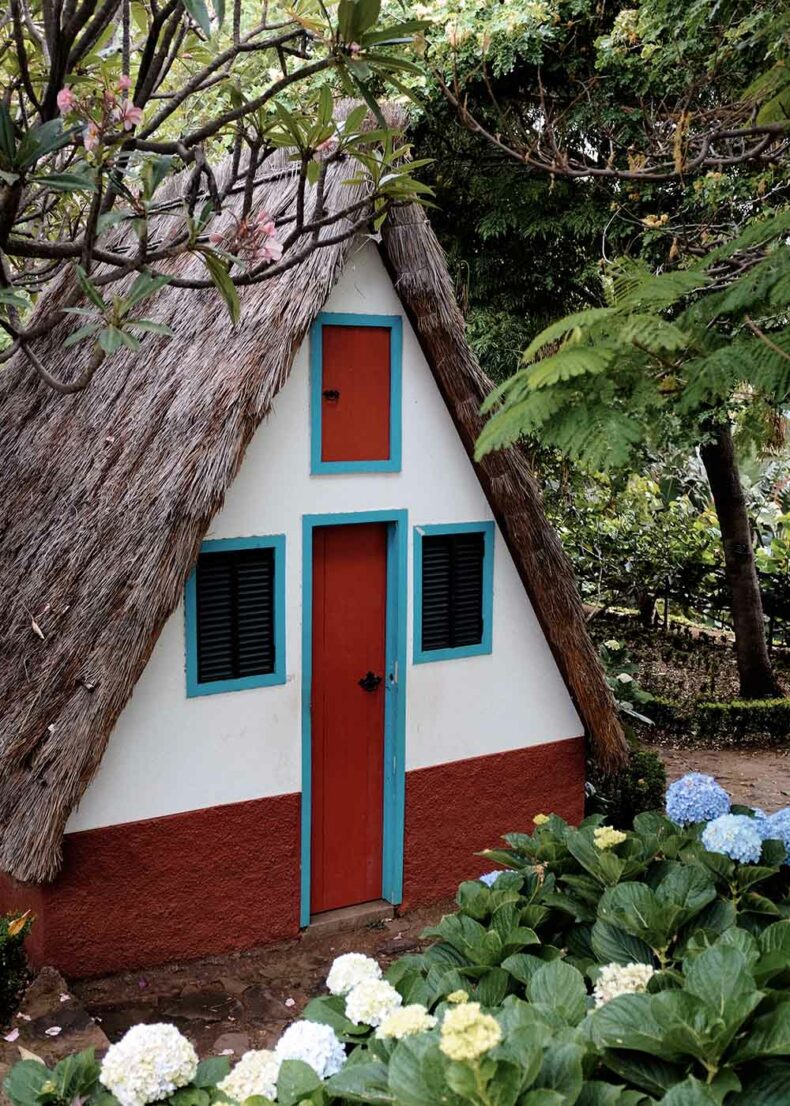
Photo source: Unsplash
Festivals are an essential part of Madeiran culture. Carnival fills the island with colour, music and energy, bringing parades, costumes and dancing to the streets. It is one of the liveliest times to visit, with a joyful atmosphere that spreads through Funchal and beyond.
The Flower Festival is another highlight, celebrating the blooms that thrive in Madeira’s mild climate. Streets are decorated with floral displays, children take part in traditional celebrations and the island’s love of nature becomes part of the cultural experience. It is a beautiful reminder of how closely Madeira’s identity is tied to its landscape.

Photo source: Visit Madeira
Local traditions also live on through music, dance, embroidery and wickerwork. These crafts are not just souvenirs. They are part of Madeira’s identity, passed down through generations and still visible in shops, markets and village life today. Handmade embroidery, in particular, has long been associated with the island and remains one of its most delicate and recognisable crafts.
Wickerwork is another important tradition, especially in the area around Camacha. Baskets, furniture and decorative pieces show the skill and patience of local makers. You can also see wicker in one of Madeira’s most famous experiences, the traditional toboggan rides from Monte, where visitors travel downhill in wicker sledges guided by skilled drivers.
Music and dance bring another layer to the island’s cultural life. Traditional folk performances, often accompanied by local instruments and colourful dress, keep old customs alive. They are cheerful, expressive and closely connected to community celebrations, especially during festivals and village events.
Madeira’s cultural heritage also comes through in everyday moments. A market full of flowers and fruit, a church square in a quiet village, a family-run restaurant serving traditional food or a glass of Madeira wine in Funchal all tell part of the island’s story. These are the details that make the destination feel warm, lived-in and memorable.
For travellers, Madeira offers the pleasure of discovering culture at an easy pace. You can explore museums and historic streets, visit traditional villages, join a festival or simply sit in a local café and watch the day unfold. The island does not keep its heritage behind closed doors. It is woven into daily life.
From its old towns and rural houses to its festivals, crafts and seafaring past, Madeira’s culture adds richness to every visit. It is a destination where history feels close, traditions remain visible and every journey comes with a strong sense of place.
Charming villages and towns
Madeira’s villages and towns each offer a different view of island life. Some are lively and colourful, others are peaceful and tucked between mountains and sea. Together, they make the island feel wonderfully varied and easy to explore. You can spend one day wandering through Funchal’s historic streets, the next watching fishing boats in a quiet harbour, then head inland to see traditional houses, green hills and mountain views.
Part of the charm is how close everything feels. Madeira is compact, so it is easy to visit several places in one trip without spending all your time on the road. Yet each stop has its own atmosphere, from elegant city squares and sunny seafronts to banana plantations, volcanic pools and sleepy mountain villages.
Funchal is the natural starting point. As Madeira’s capital, it combines historic charm with modern comforts, beautiful gardens, restaurants, museums, shops and a relaxed waterfront. It is a city made for slow exploring, with cobbled streets, tiled façades, leafy squares and cafés where you can pause between sightseeing stops.
The old town is one of the most atmospheric parts of Funchal. Painted doors, narrow lanes and small restaurants give it a lively, creative feel, especially in the evening. Sé Cathedral is another highlight, standing proudly in the heart of the city and offering a glimpse into Madeira’s long history. Down by the marina, the mood becomes lighter and more relaxed, with boats, sea views and plenty of places to sit outdoors.
The Botanical Garden is also well worth visiting. Set above the city, it brings together tropical plants, colourful flowers and wide views over Funchal and the Atlantic. It is a peaceful place to walk, take photos and see just how rich Madeira’s plant life can be.
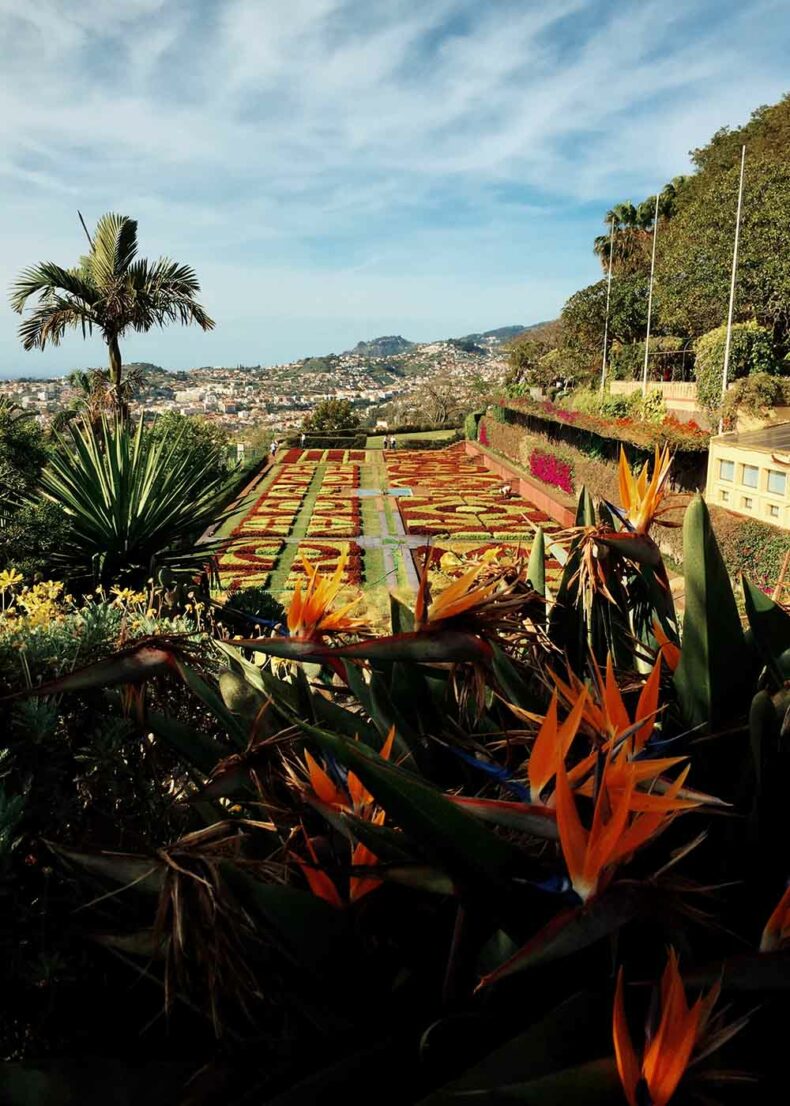
Photo source: Unsplash
Câmara de Lobos is one of Madeira’s most picturesque fishing villages, known for colourful boats, waterfront cafés and a sheltered bay that has inspired generations of visitors. The village has a warm, lived-in feel, with fishing nets, bright wooden boats and locals gathering by the water. It is small enough to explore at an easy pace, but full of character.
This is also a lovely place to stop for lunch or an afternoon drink. Sit by the harbour, try fresh seafood or simply enjoy the view of the bay with steep cliffs rising around it. Nearby Cabo Girão adds even more drama to the visit. From one of Europe’s highest sea cliffs, the Atlantic stretches far below and the coastline opens up in spectacular fashion.
Inland, Santana is famous for its traditional A-frame houses with thatched roofs. These small, colourful homes are among Madeira’s most recognisable sights and reflect the island’s rural heritage. Their steep roofs, white walls and bright details make them feel almost storybook-like, but they also tell a practical story about life in the countryside.
Santana is also a good base for discovering Madeira’s greener, more mountainous side. The surrounding area is close to forest trails, viewpoints and some of the island’s most beautiful natural scenery. It is a great stop if you want to combine culture, fresh air and a slower look at rural Madeira.
Ponta do Sol, true to its name, is one of the sunniest places on the island. With its tranquil seafront, historic architecture and golden evening light, it is a lovely stop for a relaxed afternoon or a sunset walk. The village has a calm, easy rhythm, with cliffs on either side and the ocean right in front of you.
It is the kind of place where you do not need a long list of things to do. Walk along the seafront, find a terrace, listen to the waves and watch the light change over the water. For travellers who enjoy quiet beauty, Ponta do Sol is one of Madeira’s most rewarding coastal stops.
Madalena do Mar offers another softer, slower side of the island. Known for its banana plantations and calm coastal atmosphere, it feels peaceful and green, with narrow streets, ocean views and lush fields stretching towards the hills. Walking through the village and nearby plantations gives you a closer look at one of Madeira’s most important crops.
This is a lovely place to slow down and enjoy the everyday side of island life. There are no grand gestures here, just warm air, quiet paths, tropical greenery and the steady presence of the Atlantic nearby.
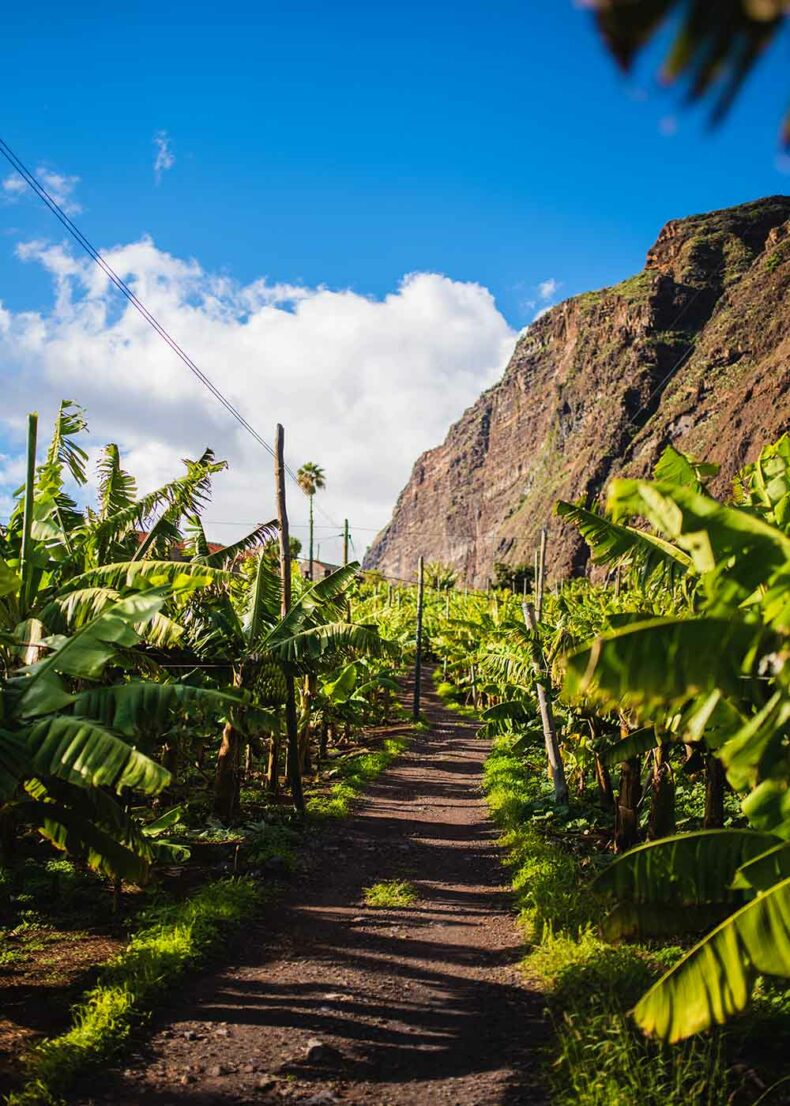
Photo source: Unsplash
Porto Moniz, on the northwest coast, is best known for its natural volcanic swimming pools. The village feels more rugged than the sunlit south coast, with black volcanic rock, strong Atlantic views and a wilder ocean setting. It is one of the best places to experience Madeira’s dramatic coastline up close.
The natural pools are the main attraction, filled with clear seawater and surrounded by dark lava formations. After a swim, Porto Moniz is also a great place for seafood and a relaxed meal with a view. The journey there is part of the experience too, with mountain roads, coastal scenery and viewpoints along the way.
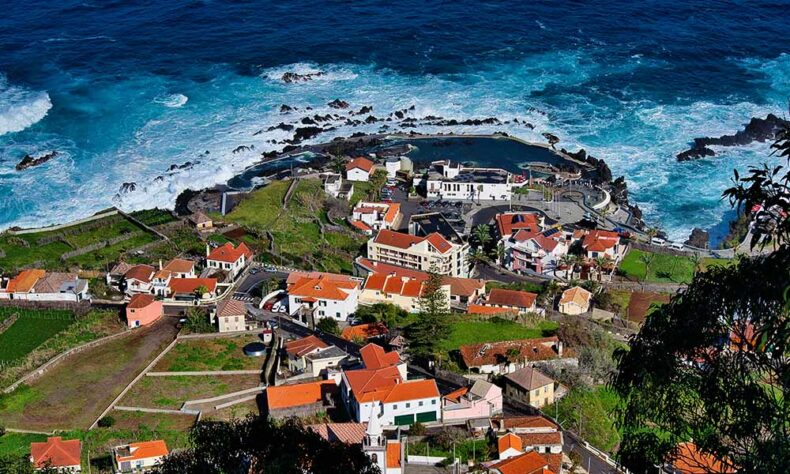
Photo source: Unsplash
Together, Madeira’s towns and villages show how varied the island really is. Funchal brings history, gardens and city life. Câmara de Lobos offers fishing traditions and harbour charm. Santana takes you into the island’s rural past, while Ponta do Sol and Madalena do Mar invite you to slow down by the sea. Porto Moniz adds volcanic drama and a wilder Atlantic mood.
Exploring these places is one of the best ways to understand Madeira beyond its famous landscapes. Each town and village adds a new detail to the island’s story, making every journey feel personal, colourful and full of small discoveries.
Warm and welcoming people
At the heart of Madeira are its people, whose hospitality is as warm as the island’s sunshine. Visitors often remember the kindness, generosity and easy friendliness of the locals just as much as the scenery. It is one of those places where the welcome feels natural, whether you are arriving at a family-run restaurant, stepping into a small shop or asking for help on a quiet village street.
Madeirans are proud of their island, and it shows. They know the landscapes, traditions, food and local stories that make Madeira special, and many are happy to share them with visitors. This gives the island a personal warmth that goes beyond beautiful views. You do not just see Madeira. You feel invited into its everyday rhythm.
Whether you are walking through the streets of Funchal, stopping at a village café or asking for directions in a small mountain town, you will often find people happy to help. A simple question can turn into a friendly conversation, a local recommendation or a story about the area. These small moments can make a trip feel more relaxed, more genuine and more memorable.
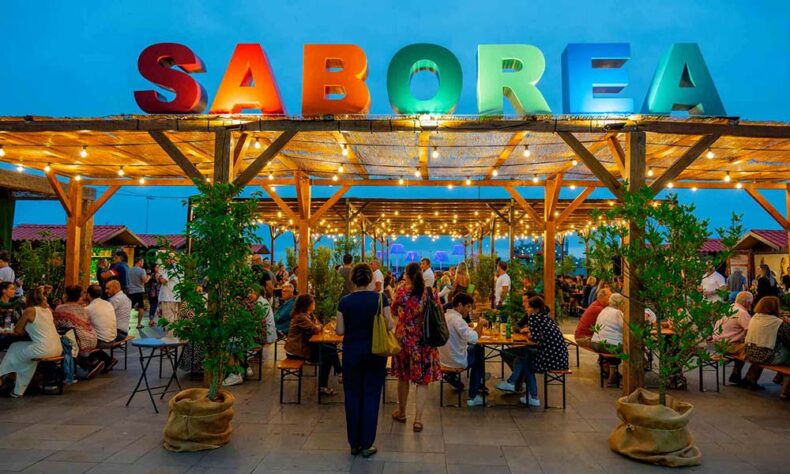
Photo source: Visit Madeira
Food is one of the easiest ways to experience this welcoming spirit. In local restaurants, markets and village events, hospitality often comes through in generous portions, proud explanations of traditional dishes and the feeling that guests should leave well fed and happy. Try espetada, fresh seafood, bolo do caco or a glass of Madeira wine, and you will quickly see how closely food and warmth are connected here.
Strike up a conversation and you may come away with tips you will not find in a guidebook. Someone might tell you where to watch the sunset, which viewpoint is worth the detour, what to order for lunch or where to find the freshest seafood. Local knowledge adds depth to a trip, turning beautiful places into personal memories.
This is especially true outside the main tourist spots. In smaller villages, life moves at a gentler pace, and it is easy to notice the details that make Madeira feel so welcoming. A greeting from a passer-by, a relaxed chat at a café or a recommendation from a shop owner can stay with you long after the trip.
Madeira’s hospitality also reflects the island’s history. For centuries, it has welcomed travellers, sailors, traders and visitors crossing the Atlantic. That long connection with the wider world has helped create an open, friendly atmosphere, while the island’s strong local identity keeps the welcome sincere and grounded.
For travellers, this means Madeira is easy to enjoy. You can explore confidently, ask questions, try local places and take your time. The island feels safe, relaxed and approachable, making it a good choice for couples, families, solo travellers and anyone who likes a destination with a human touch.
This welcoming spirit is one more reason Madeira feels so special. It is not only a beautiful island to visit. It is a place that makes you feel invited in, cared for and happy to return.
Easy access to island beauty
What good is an island paradise if it is difficult to enjoy? Fortunately, Madeira makes exploring easy. The island has well-developed infrastructure, good roads and a transport network that helps visitors reach many of its most beautiful places without unnecessary fuss. For a destination with such dramatic mountains, steep valleys and wild coastline, Madeira feels surprisingly simple to get around.
That ease makes a real difference. You can plan a trip that feels adventurous without it becoming complicated. One day might take you from Funchal to mountain viewpoints above the clouds. Another can lead to volcanic swimming pools, quiet villages or a relaxed lunch on the sunny south coast. The island gives you plenty to see, but it does not make you work too hard to reach it.
Madeira Airport is close to the capital, Funchal, making the first part of the trip smooth and convenient. Once you arrive, you can quickly settle into island life, whether you are heading to a seaside hotel, a boutique stay in the old town or a peaceful guesthouse in the hills. The short journey from the airport means you can go from landing to ocean views in very little time.
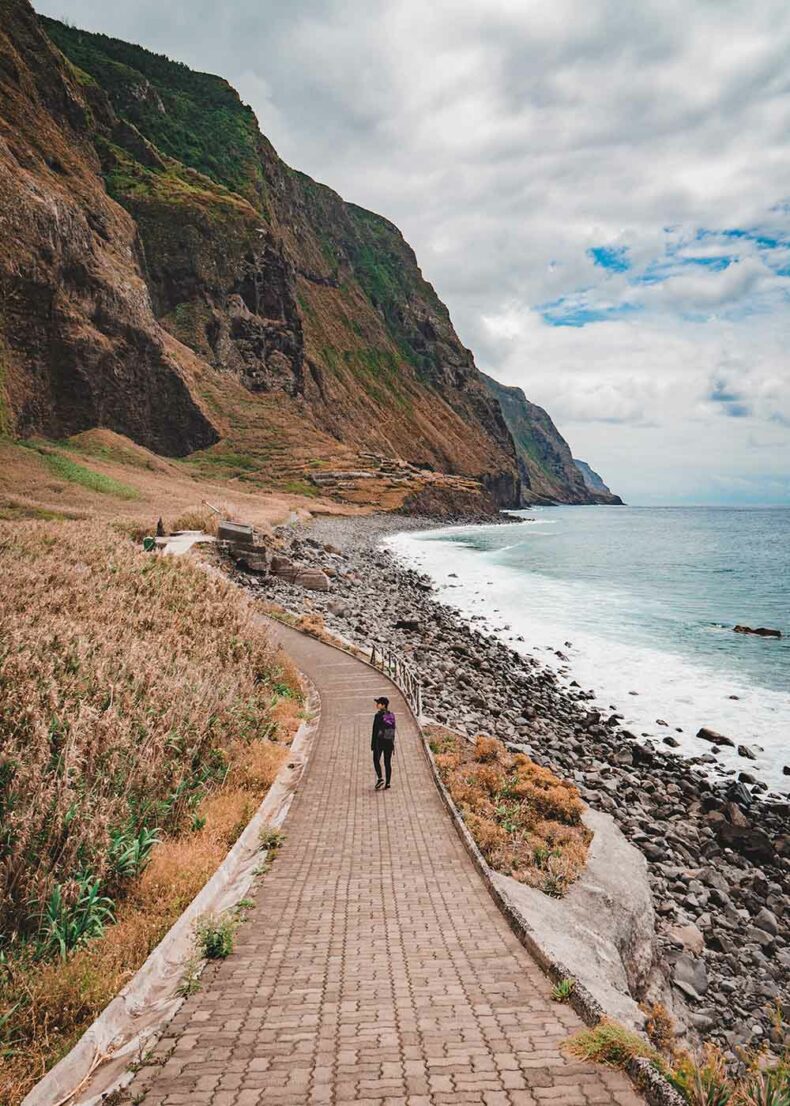
Photo source: Unsplash
Car hire is a popular option for travellers who want maximum freedom, especially for visiting viewpoints, mountain trails and smaller villages. The road network connects the island well, and scenic drives are part of the experience. Tunnels, coastal roads and mountain routes make it easier to cross the island than its rugged landscape might suggest.
Driving also gives you the chance to follow your own rhythm. Stop when a viewpoint catches your eye, take a detour to a village café or stay longer at a beach, garden or walking trail. Madeira rewards this kind of flexible exploring, because some of the best moments happen between the planned stops.
If you prefer not to drive, local buses and taxis make it possible to get between key towns, coastal areas and attractions. Funchal is a practical base for many travellers, with easy access to restaurants, the marina, gardens, museums and day trips around the island. From there, it is simple to explore more of Madeira without feeling far from comfort.
Guided tours are also widely available, offering an easy way to discover places that may be less convenient to reach on your own. You can join trips to levada walks, wine country, mountain viewpoints, traditional villages or the dramatic north coast. These tours are especially useful if you want local insight along the way, or if you would rather enjoy the views without thinking about routes and parking.
For hikers, this accessibility is a big plus. Many of Madeira’s famous walking routes can be reached by car, transfer or organised tour. That means you can choose a trail that matches your energy level, then return to your hotel or guesthouse for a comfortable evening. The island makes it easy to combine active days with proper rest.
Accommodation choices are just as varied. You will find luxury coastal resorts and spa hotels, design-led boutique stays, family-run guesthouses and countryside retreats surrounded by greenery. Some places are made for slow mornings by the pool. Others are perfect as a base for hiking, road trips or exploring local villages.

Photo source: Tripadvisor
This variety helps make the trip feel personal. You can stay close to Funchal if you want restaurants, culture and easy transport nearby. Choose the south coast for sunshine and sea views, head inland for quiet mountain scenery or look to the north coast for a wilder, more dramatic atmosphere. Madeira gives you options without making the choice feel overwhelming.
It is also a destination that works for many travel styles. Couples can enjoy scenic drives, wine tastings and sunset dinners. Families can choose comfortable hotels, beach days and easy sightseeing. Active travellers can plan hikes, canyoning, cycling and ocean adventures. Those who simply want to slow down can find terraces, gardens, natural pools and peaceful coastal walks.
After all, who says island paradises have to be difficult to get around? Madeira’s beauty is wonderfully accessible, from the moment you arrive to the last scenic drive back to the airport. That makes it even easier to put this Atlantic gem on your travel list.
Why fly to Madeira with airBaltic
Madeira is made for travellers who want nature, sunshine, culture and adventure in one trip, and airBaltic makes getting there simple. Fly to this Atlantic island with airBaltic and start planning your journey your way, whether that means hiking along levadas, swimming in natural volcanic pools, tasting Madeira wine or taking a slow drive between coastal villages. With a smooth booking experience, convenient connections and the freedom to choose the services that suit your trip, airBaltic helps you get closer to Madeira’s year-round beauty with ease.
Ready to discover Madeira?