The Algarve region, with Faro as its capital, faces Africa and is gently washed by the waters of the Atlantic Ocean.
While the most popular images of the area showcase its trademark rugged coastlines, dramatic cliffs, and hidden coves, the Algarve also proudly offers miles of sandy beaches with calm, warm Atlantic waters. So, whether you’re planning a fulfilling beach holiday with family and children, joining a surf community, travelling solo, or any other way, it’s the Algarve that truly steals the spotlight from the rest of the Portuguese coast.
Ready for sun, charm, and a touch of adventure? Here are 10 unbeatable reasons to plan your holiday in Faro and make the most of it.
- Perfect off-season escape
- Quality meets affordability
- Stunning beaches
- Historic old town
- Delicious seafood
- Ria Formosa Natural Park
- Relaxed pace
- Winemaking heritage
- Great base for exploring
- Natural splendour
Perfect off-season escape
Faro enjoys a pleasantly mild climate, making it an ideal spot for an off-season escape. With daytime temperatures often reaching the mid-teens, even winter brings a welcome mix of sunshine, fresh sea air, and a slower, more relaxed pace.
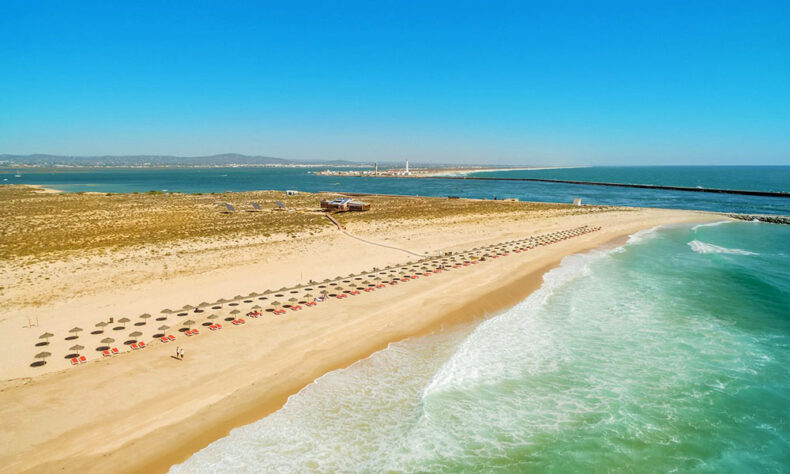
Photo source: Tripadvisor
On warmer days, it’s perfectly comfortable to swim and sunbathe for short periods, especially when the sun is at its strongest around midday.
Wander through the cobbled lanes of the Old Town, linger over long seaside lunches, or take peaceful strolls along quiet, windswept beaches – all without the crowds of summer.
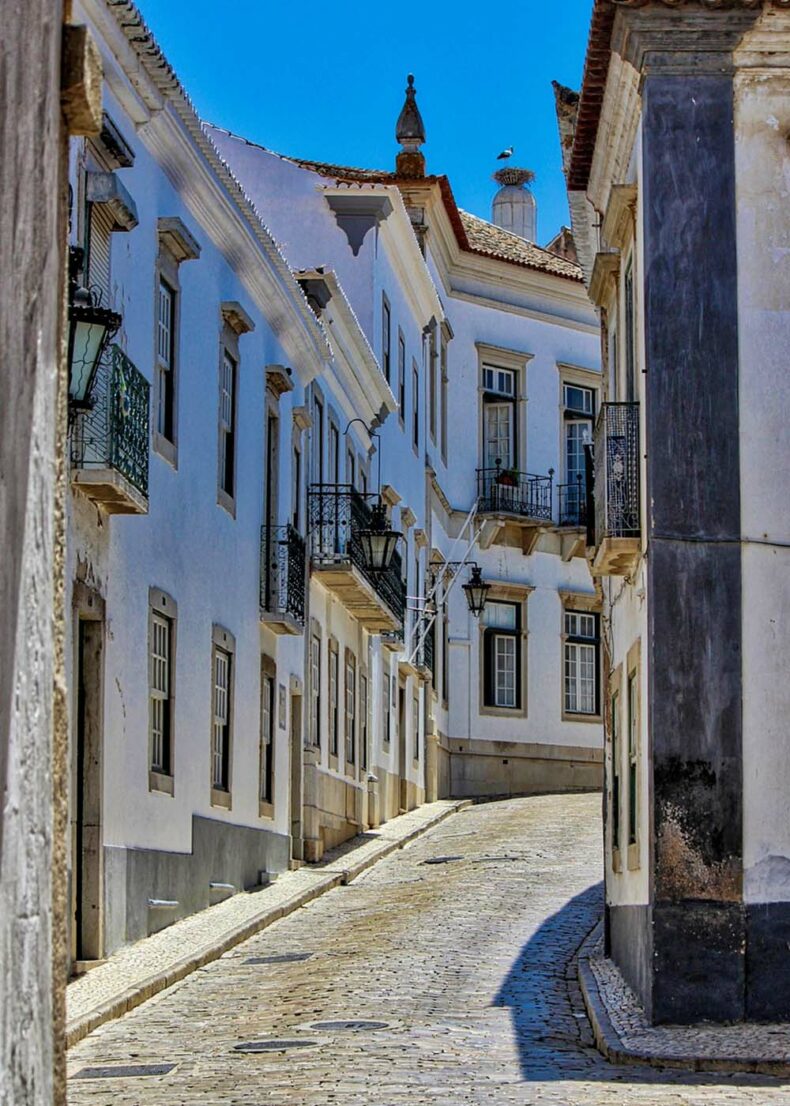
Photo source: Pixabay
Looking to explore more of Portugal? Discover Lisbon, Porto, or Madeira with airBaltic.
Quality meets affordability
Faro and the surrounding region are a brilliant choice if you’re after a holiday that won’t break the bank. There are plenty of affordable places to stay, from cosy guesthouses to small hotels, and you’ll find lots of lovely restaurants serving fresh, local food without the expensive price tag.
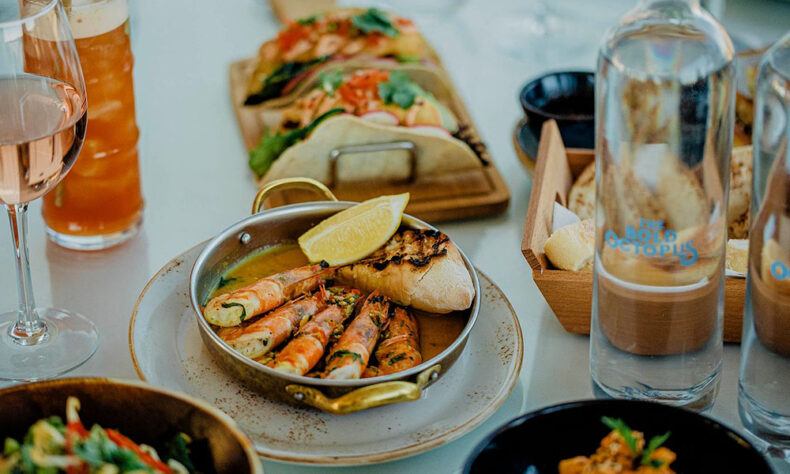
Photo source: Tripadvisor
Renting a car is easy and affordable, giving you the freedom to explore nearby towns, beaches, and hidden gems at your own pace. Whether you’re sightseeing, relaxing on the beach, or enjoying a meal out, Faro makes it simple to have a great time without spending too much.
Stunning beaches
The main attraction everyone craves when travelling to Faro is the beach. Some guidebooks claim that the Faro area has more than a hundred beaches to choose from. Whether that’s true or not, there’s luckily no need to drive far – the closest beach to the city is just a 20-minute drive away.
A long strip of golden sand, Praia de Faro sits at the south-western edge of the city. It’s dotted with surf schools and board rental shops, and visitors can also sign up for kitesurfing lessons or hire paddleboarding equipment.
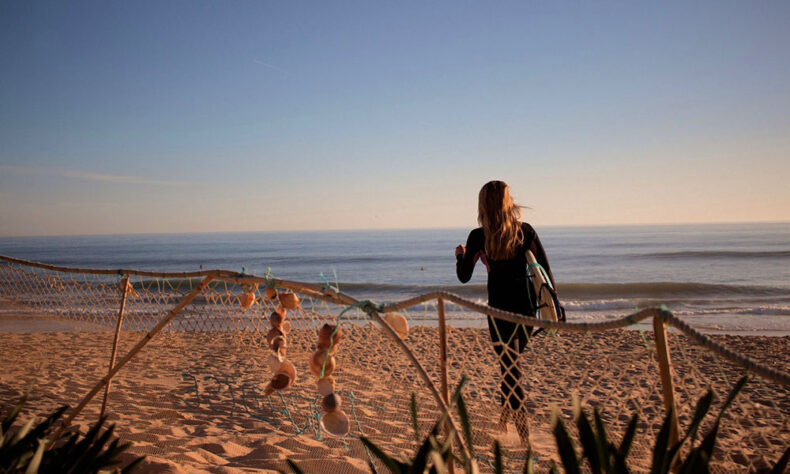
Photo source: Tripadvisor
The promenade along the beach is lined with ocean-view beach clubs and restaurants – a perfect choice for holidaymakers tired after spending the entire day lying in the sun.
Historic old town
The cobbled streets and traditional architecture of Faro’s Old Town offer a charming glimpse into the city’s rich past.
The neoclassical-style Arco da Vila, located near the marina, serves as the graceful entrance to Faro’s oldest neighbourhood, known as Vila Adentro, or the ‘inner town’.
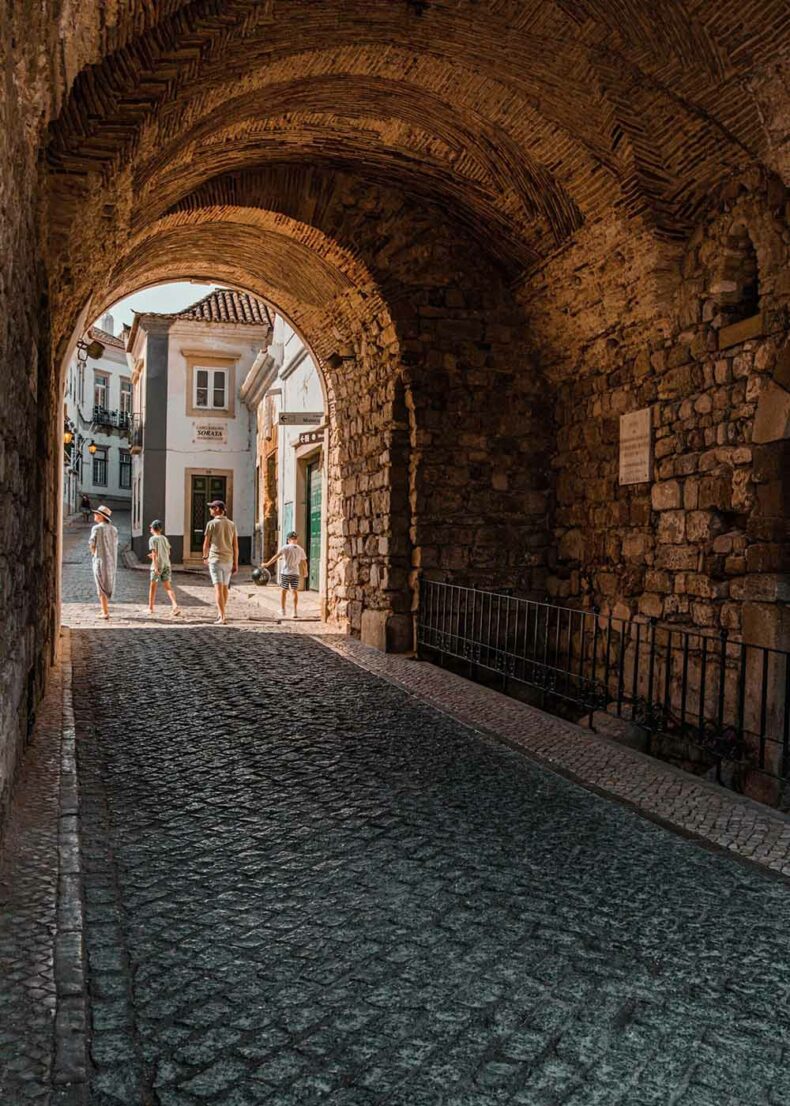
Photo source: Unsplash
The Mouraria quarter, situated close to the old castle walls, is where the Moors once settled. The streets here, paved with iconic calçada portuguesa patterned stones, gleam especially brightly in the sunlight. The squares are generously adorned with blooming orange trees.
At the heart of the Old Town stands the 15th-century Faro Cathedral (Sé de Faro), whose bell tower provides stunning views across the city and the lagoon.
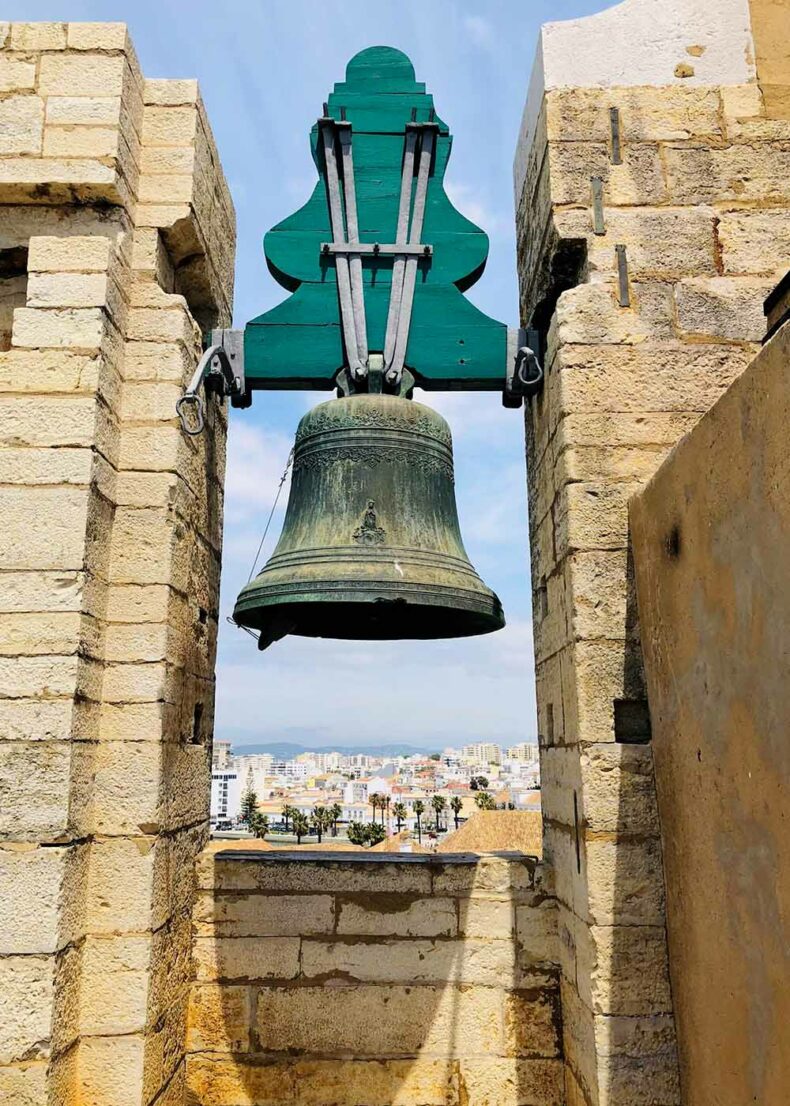
Photo source: Unsplash
Delicious seafood
The Algarve’s gastronomy blends fresh flavours from the sea with bold, seasonal ingredients from the countryside. Think arroz de lingueirão – rice with razor clams, served with a squeeze of lemon and coriander – grilled sardines, Algarve-style tuna steak, and meat dishes featuring pork and chicken.
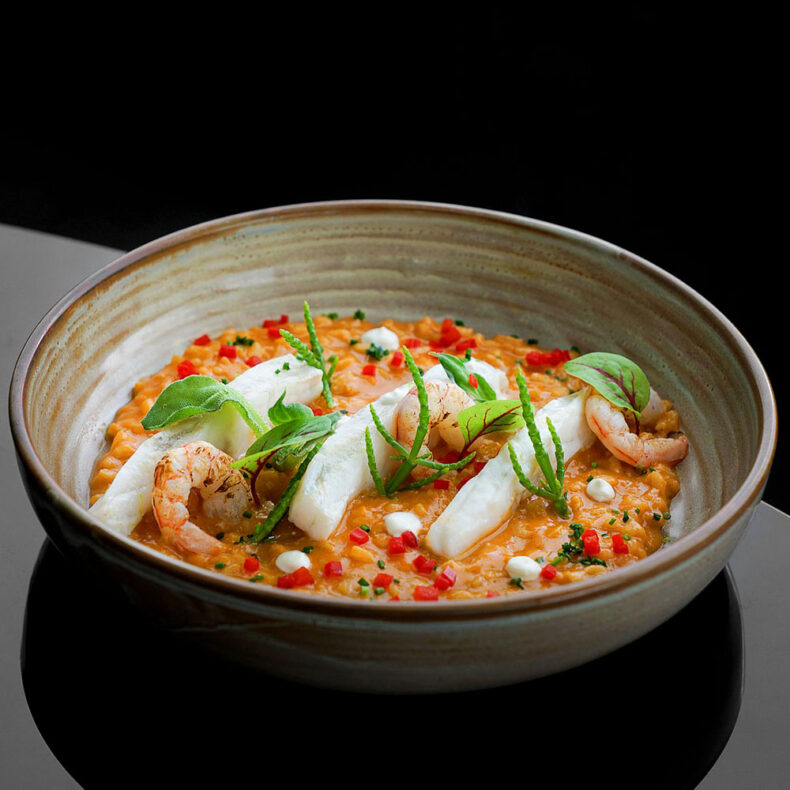
Photo source: Tripadvisor
Codfish, or bacalhau, is a Portuguese classic. Bacalhau à Brás is made with onions and chopped fried potatoes bound together with eggs, while bacalhau com natas is baked in the oven with cream and seasoned with nutmeg.
Bitoque is the local version of steak, typically topped with a fried egg and served with a sauce made from wine, garlic, and butter.
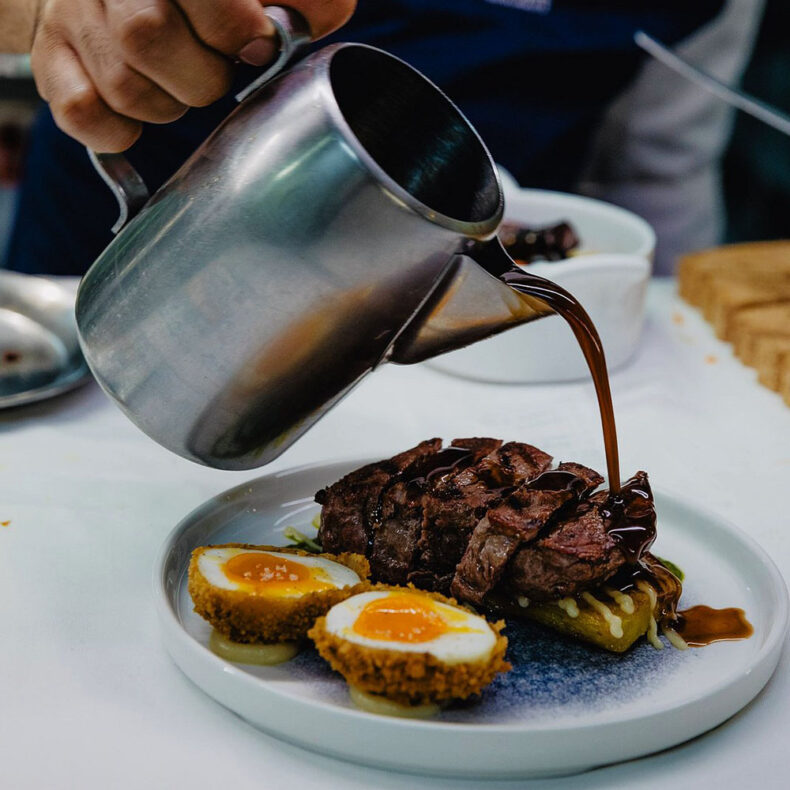
Photo source: Tripadvisor
The seafood dish cataplana is a trademark of Faro. Its name comes from the special clam-shaped copper pan in which it is stewed and served. The traditional recipe includes prawns, razor clams, pieces of octopus, sometimes even small pieces of pork, along with onions, tomatoes, and bell peppers – all steamed in white wine.
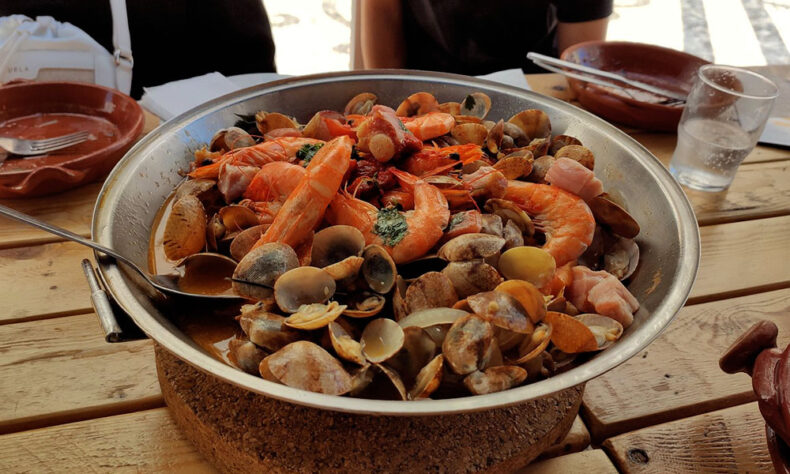
Photo source: Tripadvisor
Ria Formosa Natural Park
This unique coastal lagoon is a haven for wildlife, making it perfect for birdwatching, nature walks, and boat trips. It shapes the distinctive landscape and plays a vital role in the lifestyle and economy of the local community.
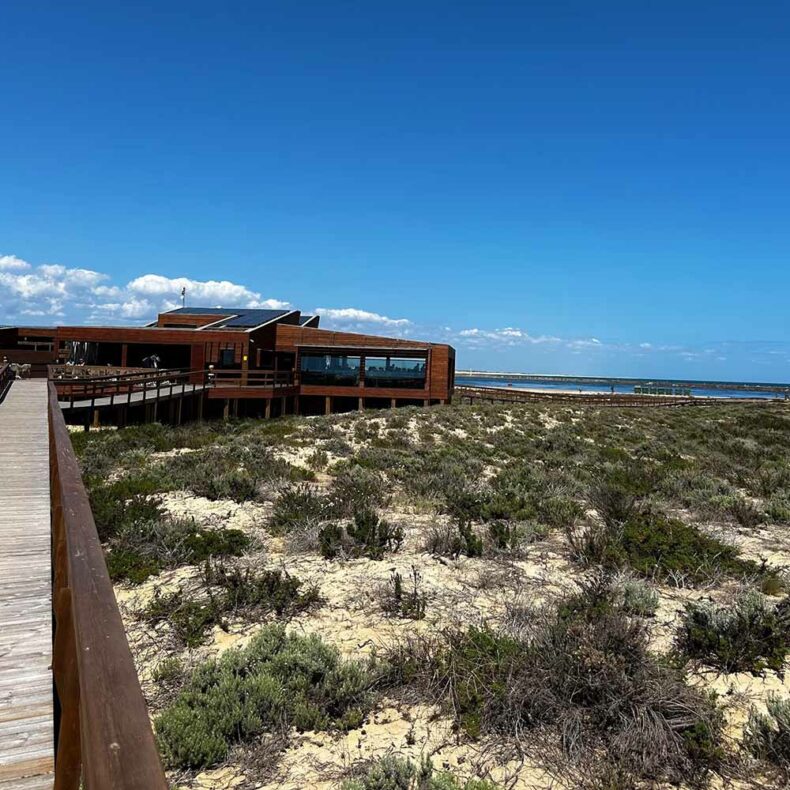
Photo source: Unsplash
Covering around 170 square kilometres, this protected natural area is a fascinating network of canals, islands, and mudflats stretching some 60 kilometres. It includes six barrier-like islands surrounded by water that lies between the mainland and the ocean.

Photo source: Tripadvisor
Near Faro, the landscape is flat and meditative, shaped by the daily tides. Closer to Lagos and Albufeira, the coastline is dotted with picturesque limestone grottoes and caves. Popular activities here include birdwatching, fishing trips, food tours following the boat-to-table concept, and sunset boat rides.
A true gem is Ilha do Farol, topped by a striking 50-metre-high lighthouse painted white and red – a postcard-perfect sight. This island is prized for its peaceful atmosphere, beautiful sandy beaches, and clear waters, making it a favourite spot for both locals and visitors.
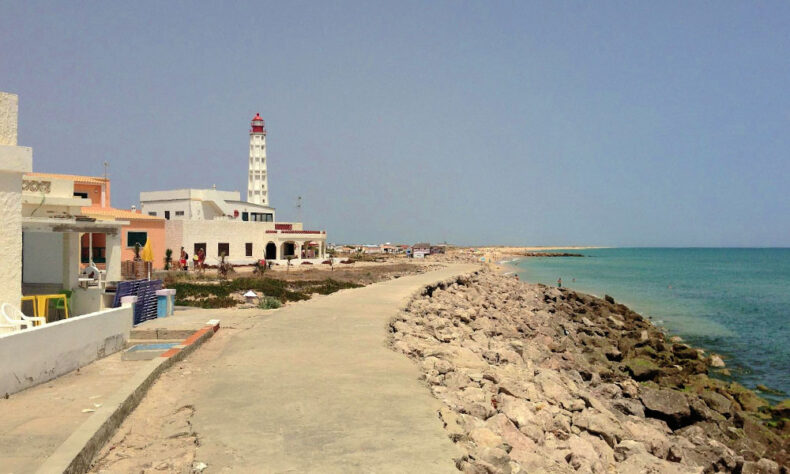
Photo source: Tripadvisor
Unlike the nearby Deserted Island, Ilha do Farol boasts a narrow grid of summer cottages and welcomes a mix of relaxed holidaymakers and curious tourists alike.
Relaxed pace
Local people here like to have a good time, often inviting friends and family over to share meals or enjoy a coffee together.
In Faro and throughout the Algarve, life moves at a more relaxed pace. If there’s something that needs sorting, it’ll happen when it happens – there’s no point rushing or stressing over it.
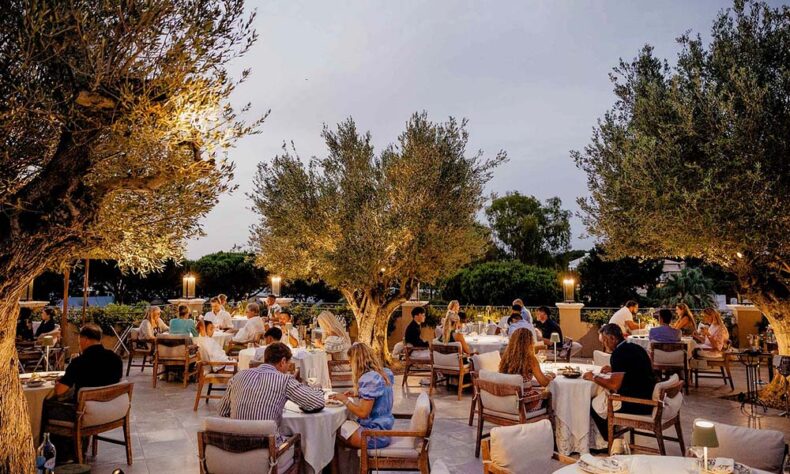
Photo source: Tripadvisor
Compared to busier cities like Lisbon or Porto, the south of Portugal follows a simpler rhythm. It’s mostly the beach or nothing, and locals embrace this by taking time to chill out, have long conversations, enjoy a siesta, and soak up the good things in life.
If you’re interested in exploring Portugal’s vibrant cities, discover flights to Lisbon or flights to Porto with airBaltic.
Winemaking heritage
The sunny slopes around Faro produce crisp white wines and robust reds. In areas such as Lagoa and Tavira, winemaking traditions date back centuries.
However, port wine – Portugal’s signature drink – is not as popular here in the south, except for the specialty porto tonico cocktail made with white port.
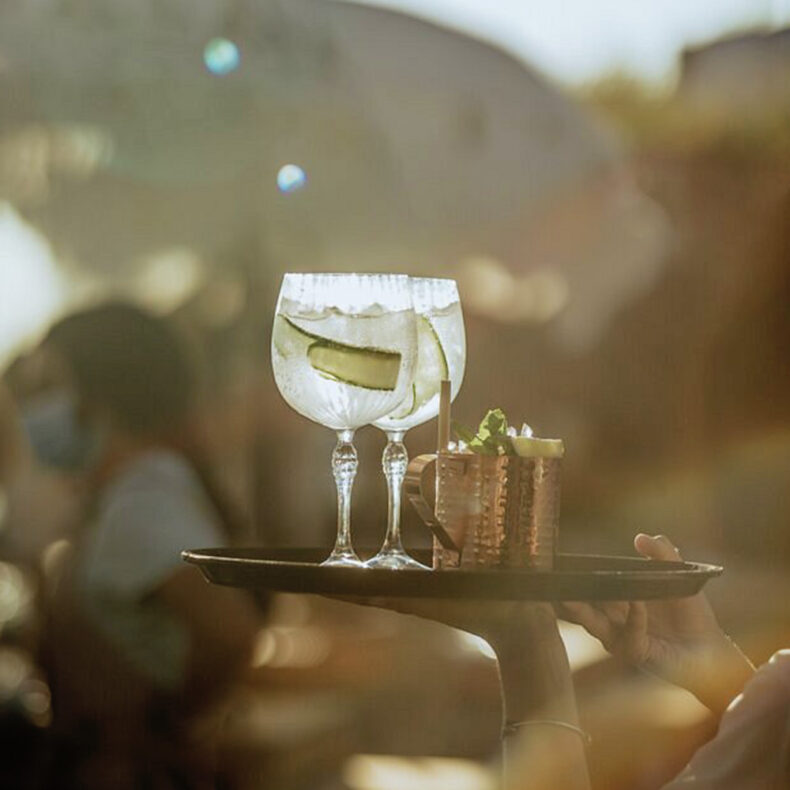
Photo source: Tripadvisor
Local grandfathers tend to favour medronho, a traditional brandy distilled mainly from the fruit of the Arbutus, or strawberry tree, which grows wild in the poor soils of the rural inland.
Great base for exploring
There are numerous coastal towns along the lagoon well worth visiting for a half-day or full-day trip. The train runs directly along the Ria Formosa coastline, offering a picturesque journey to the neighbouring town of Olhão, just 12 kilometres east of Faro. This former fishing village, now a bustling port and seafood production centre, has retained its tranquil charm and authentic atmosphere.

Photo source: Tripadvisor
A little further east, Tavira beckons with its timeless appeal – cobbled streets, tiled houses, remnants of Moorish architecture, and the picturesque bridge spanning the Gilão River. Though small, the town boasts more than 30 historic churches, along with shady piazzas and a relaxing waterfront.
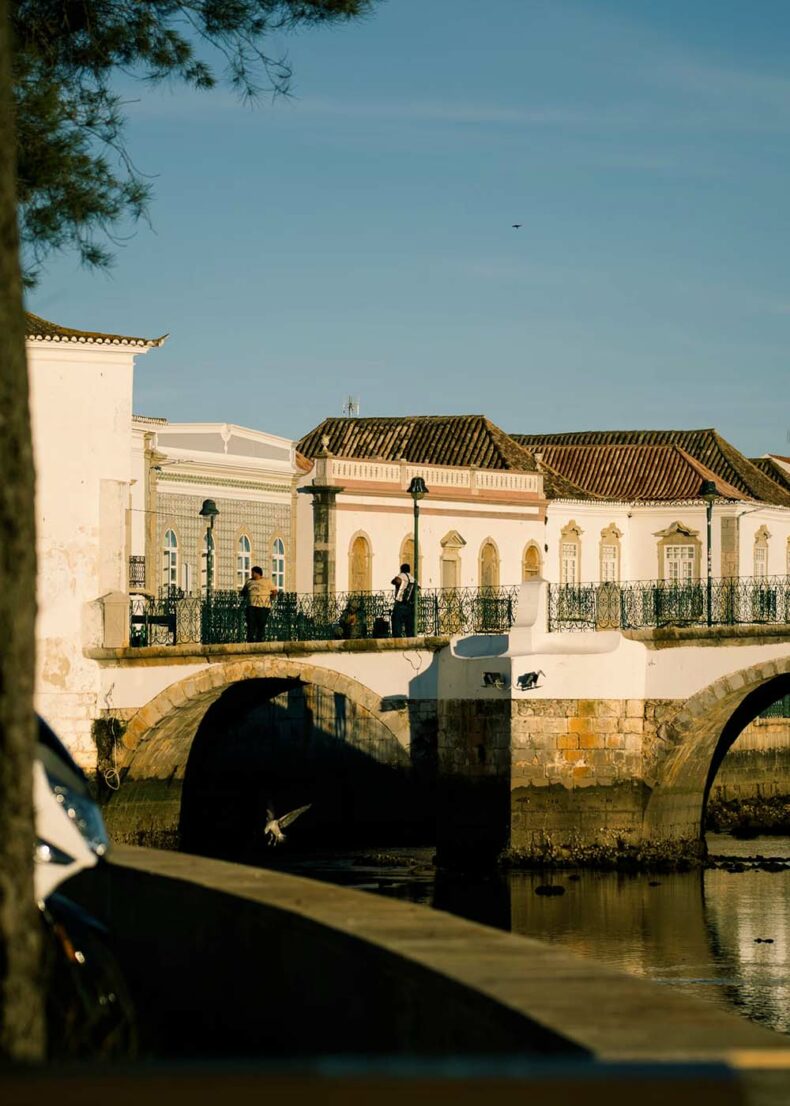
Photo source: Unsplash
To the west and north of Faro, the vibe changes. Albufeira, Vilamoura, and Portimão offer lively nightlife, oceanside bars, and open-air discos. Albufeira, with its striking contrast between a cliff-top Old Town and a golden stretch of beach, has become a popular tourist hotspot.
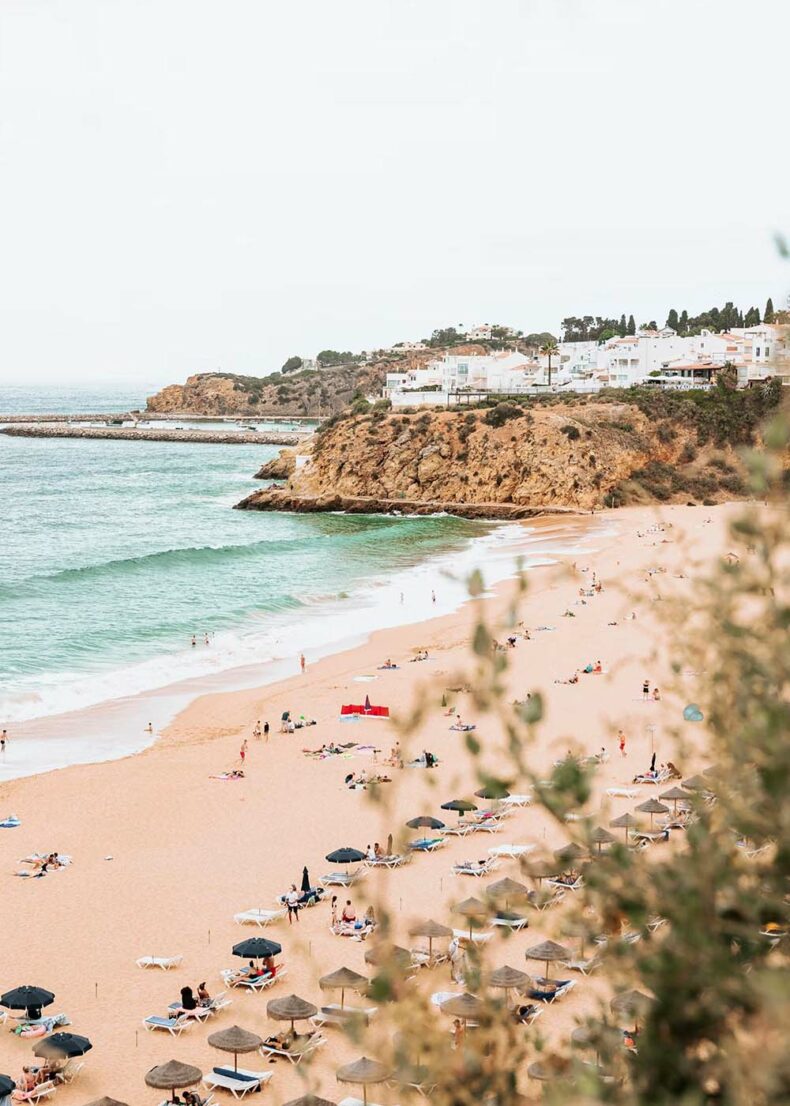
Photo source: Unsplash
About an hour’s drive from Faro, Lagos features accessible beaches, stunning views of the dramatic Ponta da Piedade rock formations, a vibrant nightlife scene, and a wide range of restaurants to suit all tastes.
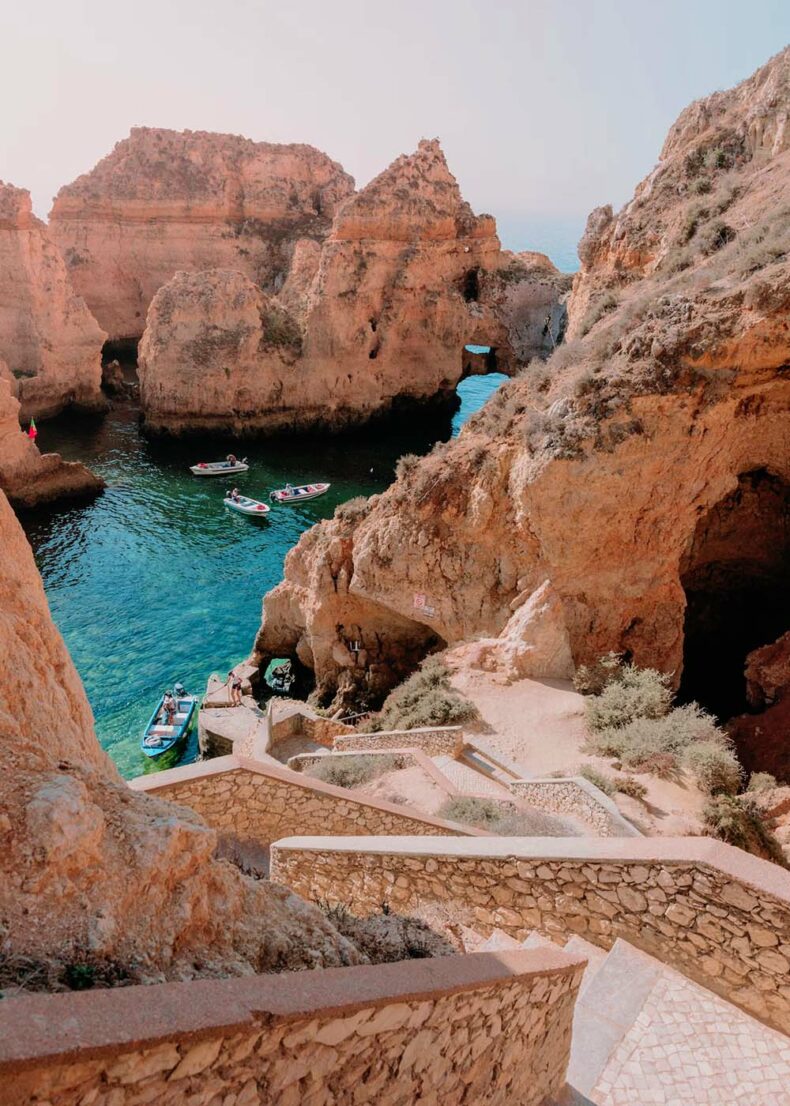
Photo source: Unsplash
Natural splendour
Nature is the most powerful architect in the Algarve. For an unforgettable day trip from Faro, head to the Benagil Caves. These limestone caves form a vast domed chamber with a circular hole, or ‘eye’, in the ceiling that lets sunlight stream down onto the bright turquoise waters below. The cave resembles a natural cathedral.
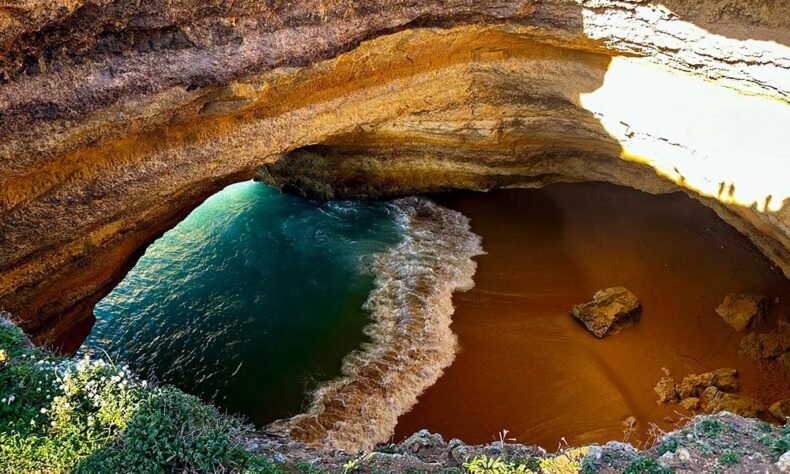
Photo source: Unsplash
The site has become so popular – especially with kayakers and paddleboarders – that water equipment and swimming inside the cave are now prohibited; these activities are only allowed on the nearby beach.
The views from the top of the formation attract photographers from all over the world.
Discover more of Portugal with airBaltic
While airBaltic no longer offers flights to Faro, Portugal has plenty of other unforgettable destinations waiting to be explored. Wander through Lisbon’s historic neighbourhoods, discover Porto’s famous food and wine culture, or escape to Madeira for dramatic mountain landscapes, scenic hiking trails, and breathtaking Atlantic Ocean views.
Explore flights to Lisbon, flights to Porto, or flights to Madeira and start planning your next Portuguese adventure.
Read more about authentic travel experiences in Baltic Outlook.